
Performance CTV Is All The Rage, But The Mid-Funnel Still Matters
Jenny Wall is a veteran of the TV and CTV industry, but tends to specialize in what she calls “disruptive” companies.

Jenny Wall is a veteran of the TV and CTV industry, but tends to specialize in what she calls “disruptive” companies.
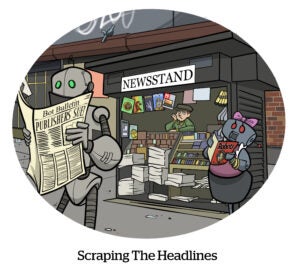
OpenAi and Microsoft have known about the “doom loop” of content scraping all along; “Fortnite” has become a brand marketer’s nightmare; and Forrester thinks streamers are going to shed their subscription models.

Google tests out a “pay per value” AI licensing scheme; Netflix, Amazon and YouTube join forces; and Apple may soon launch integrations with third-party LLMs.

While Eric Seufert’s “everything is an ad network” mantra keeps being proven correct, a new truism is also taking shape: “Wherever an advertising business emerges, the measurement challenge follows.”

Shunned by streamers, cable news builds its own app bundles; Grindr pays $35 million to settle a UK lawsuit over selling data to advertisers; and LG TVs can be hacked to record audio.
The FTC sues Amazon, alleging ad auction manipulation; some agencies are hyping that their ads are made by humans; and more people are paying for ad-free streaming.

The potential for ads in robotaxis; Crocs is back to seeing year-over-year growth; and ad-free streaming tiers continue to grow more expensive.
What’s with the myriad of retail media networks?; YouTube offers creators millions to refuse deals with Netflix; and political advertisers get a free pass.

Spotify’s ad-skipping has podcasters freaking out; Steaming growth is saving the TV upfront; and OpenAI wants some SMB clients.

Paramount+, unlike Netflix, announces a subscription-free option; Havas announces plans to go AI-first; and Faire’s Promoted Listings platform targets wholesalers, rather than individual customers.

Kraft Heinz’s deal with Disney represents a food marketing trend; how buying location data is a legal loophole for the government; analysts rain on OpenAI’s ad parade.

Netflix knows it’s in trouble. Or, rather, it knows people think it’s in trouble.

Megaphone becoming part of Spotify’s Ad Server impacts campaign setups; IAB finds 43% of buyers have little confidence in CTV ad supply quality; and Netflix’s ad-filled MLB Home Run Derby broadcast gets panned.

Netflix considers live TV channels; Ofcom tells social media to cool it with the scam ads; and Meta gets weirdly nonconsensual with its AI images.

In a world being agentically orchestrated at scale, human judgment is the indispensable guardrail preventing us from optimizing right over the cliff.

The future of TV isn’t traditional vs. CTV. Rather, it’s a partnership of two sides. Fox and Roku represent this convergence.
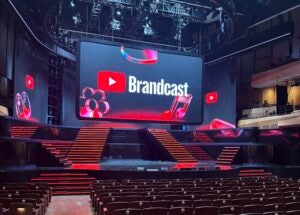
Another TV upfronts season is in the books. Please send your condolences to Senior Editor Alyssa Boyle and Associate Editor Victoria McNally as they reluctantly return to reality and their overstuffed inboxes.

Netflix expands its ad ambitions with new programmatic tools; OpenAP pushes cross-publisher CAPI measurement for TV ads; Starlink bidstream data reportedly fuels surveillance tracking.
It seems like all the streaming services are getting into vertical video these days. But ads aren’t on the menu yet.

Paramount might have outlasted and outbid Netflix in the competition to acquire Warner Bros. Discovery, but Netflix is not overly fussed about the loss.

Netflix’s MLB streaming is heavy on the ads; the anti-AI movement gains traction; the court dismissed X’s antitrust allegations.

Publicis recommends some clients ditch The Trade Desk; ChatGPT reconsiders its “unlimited” enterprise subscription; and how NYC’s Washington Square Park became an influencer hub.

2026 is the year CTV will bridge the gap between branding and performance. Fresh off the Convergent TV World event, our team discusses the rise of performance TV, shifting live sports rights and the impact of M&A on the streaming experience in this future-facing episode.
Enjoy this weekly comic strip from AdExchanger.com that highlights the digital advertising ecosystem …
Netflix unveils a conversion API; some publishers are using AI tools to expand their footprints; and CFOs are getting more involved in marketing decisions.
Buyers dig Netflix’s ad platform changes; OpenTable puts the “restaurant” in “RMN”; and Google and Amazon blame human error even when it’s AI’s fault.

A 2004 statute prevents owning enough TV stations to reach 39% of households. But without the scale afforded to other digital content companies, local TV is at a competitive disadvantage.

Why influencer marketing is all the rage; Target forays into ChatGPT ads; and Paramount Skydance’s difficult week.

Twitch gets into pause ads; CEOs would love to stop talking about AI agents; and so would brands and publishers, actually!

People Inc. is offsetting a 50% decline in Google search traffic through off-platform growth and its highest digital revenue gains in five quarters.