Streaming Platforms Are Embracing Vertical Video. But At This Point, Is It Worth It?
It seems like all the streaming services are getting into vertical video these days. But ads aren’t on the menu yet.
2026 is the year CTV will bridge the gap between branding and performance. Fresh off the Convergent TV World event, our team discusses the rise of performance TV, shifting live sports rights and the impact of M&A on the streaming experience in this future-facing episode.
Late last week, Netflix walked away from plans to acquire Warner Bros., clearing the way for Paramount Skydance to scoop up the whole company with its hostile takeover bid.
A 2004 statute prevents owning enough TV stations to reach 39% of households. But without the scale afforded to other digital content companies, local TV is at a competitive disadvantage.
Everyone has an opinion on OpenAI’s revenue prospects; Threads rolls out ads universally; and sports are a bastion of strength for Paramount.
Human-made creative is in again; The Atlantic accuses Google of (another) monopoly; and it turns out brands like to have a say in their sponsorships.
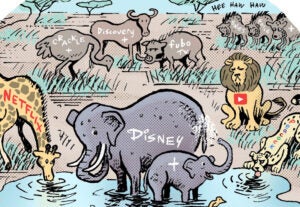
Netflix could acquire Warner Bros., unless Paramount swoops in or regulators intervene. How rearranging the streaming leaders could affect the CTV ad business.
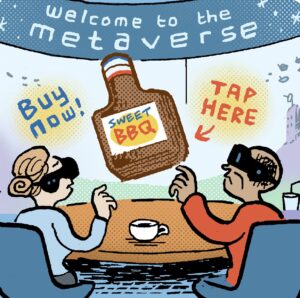
The metaverse hype is over; Apple Maps forays into advertising; and streamers vie for HBO Max and the WBD studio archive.
CTV spending is flattening, performance is plateauing and buyers are hesitant to push budgets further. The reason is not complicated. When buyers cannot see what they are buying, they cannot commit their spend with conviction.
Is it just me, or do third-quarter earnings always seem especially strange?
Paramount Skydance, which officially turns 100 days old this week, released its first post-merger quarterly earnings report on Monday.
Our industry has done a terrible job rewarding publishers for monetization choices that align their supply to quality and outcomes vs. short-term yield bumps. But is it overly optimistic to think The Trade Desk’s recent moves prove that’s changing?
Condé Nast doesn’t think advertising will save it; AWS strikes a blow against Google’s cloud service; and Paramount+ is going to have to pivot.
People don’t really gather around water coolers anymore. But that doesn’t mean streaming and live events can’t still create water cooler moments like there once were for broadcast audiences watching appointment TV.
Delivery apps are launching social networks now; Google is the latest Big Tech company to write a huge check to Trump; and ad agencies of all sizes apparently aren’t big enough.
Jimmy Kimmel Live has been suspended due to comments on Charlie Kirk; Samsung is bringing ads to your fridge; and TTD eliminates the Programmatic Table.
Nike revamps its iconic slogan; CBS is on its way to becoming a conservative news outlet; and software company Atlassian is acquiring The Browser Company for $610 million.
The SSP is betting on the DOJ’s antitrust remedies, plus closer relationships with agencies, DSPs and mid-sized advertisers, to help it eat some of Google’s lunch.
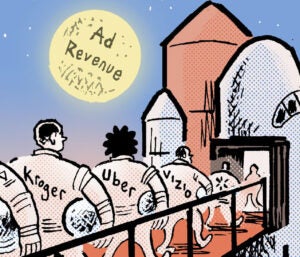
Social media companies are cutting the junk from their diet; Trump is trying to reshape American media; and selling ads is always the last resort.
AI Overviews are even dinging Google Search ads’ traffic; WPP downgrades its earnings forecast; and Google’s AI competitors launch their own web browsers.
CTV advertisers have carried over one-to-one programmatic logic from display and online video into a channel that behaves nothing like them. We need to stop chasing CTV impressions and start chasing impact.
AI-generated mystery pages are appearing on brand sites; Amazon Prime Video doubles its ad load; and bipartisan efforts to protect kids online get a new partisan focus under the Trump admin.
Paramount Global saw a 6% decline in total revenue and 19% decline in advertising revenue this past quarter compared to last year’s Q1 – which just so happens to be when CBS hosted the 2024 Super Bowl broadcast.
Shutterfly’s recent CTV campaign tested a custom algorithm that relies on search data to find geographic regions with the most prospects. It performed better than targeting deterministic IDs.
Lyft is expanding its retail media business by decoupling its first-party data from its media. Plus, how will an economic downturn play out for influencers?
At VideoAmp’s “Vampfront” presentation on Tuesday, I couldn’t help but be reminded of my favorite pop culture vampire stories (in a good way).
ISpot’s new solution, called Outcomes at Scale, aims to make outcomes-based attribution easier, faster and more automated across linear and CTV video advertising.
To zero in on premium inventory, The Trade Desk is analyzing metadata signals about ad placements and pushing adoption of its alternative ID. It’s also betting the farm on CTV.
Enjoy this weekly comic strip from AdExchanger.com that highlights the digital advertising ecosystem …
US judge rules generative AI has no fair use claim; Snap sets its sights on SMBs; MMM comes to CTV; and Disney introduces ads in live TV, even for paid users.