
Performance CTV Is All The Rage, But The Mid-Funnel Still Matters
Jenny Wall is a veteran of the TV and CTV industry, but tends to specialize in what she calls “disruptive” companies.

Jenny Wall is a veteran of the TV and CTV industry, but tends to specialize in what she calls “disruptive” companies.

Creator Sports Network is trying to monetize the ad industry’s two biggest buzzwords: creators and sports. Creator Sports Network, which launched in 2023, helps influencers livestream sports events on their social media pages. The platform doesn’t livestream the actual sports games; it acquires sports airing rights and shares them with influencers, who then stream the […]

How did Telemundo reach so many people outside of its core audience? By marketing the network as a place for authentic soccer fandom, and pushing that narrative everywhere it possibly could, according to Claudia Chagui, EVP of marketing and creative for Telemundo.

If you’ve ever killed time at an airport staring up at the TV mounted to the wall by your gate, then you’ve been part of Reach TV’s audience.

In the modern streaming landscape, everything old is new again. At least that’s the case for NBCUniversal, which is trying to bring back bundled distribution deals and appointment viewing.
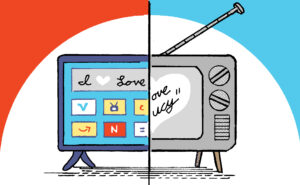
How long does it take you to decide what to watch after you turn your TV on?

According to Horizon Media’s Bob Lord, most agencies are trying to solve the wrong problem by obsessing over cost efficiency at a time when AI has quietly unlocked something far more valuable: the ability to become a growth partner to advertisers.

Pinterest expanded tvScientific CEO and Co-Founder Jason Fairchild’s title to general manager of programmatic and affiliate. The title upgrade comes less than a year after Pinterest acquired the performance-focused CTV ad startup.

“The strong will survive.” That’s how MNTN CEO Mark Douglas sums up the wave of consolidation sweeping both the media and ad tech industries – and he’s betting his CTV platform will be on the right side of it. On Tuesday evening, MNTN reported $82.5 million in revenue for the second quarter, up 21% year-over-year. […]
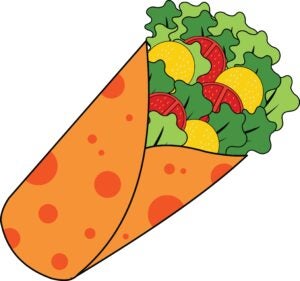
Sweetgreen turned the World Cup into a marketing moment for its new wraps, running video ads in public viewing spaces through Atmosphere TV.

Women’s sports are a lot more popular than they used to be. But ad inventory remains scarce, because women’s sports still gets way less mainstream media exposure.

Streaming publishers are banking on pause ads to bolster revenue with a more user-friendly ad experience. With programmatic standardization still pending, Warner Bros. Discovery is taking a stab at advancing the capabilities behind its own pause ad formats.

Lightning-in-a-bottle characters, a world we’ve never seen, and something to say. AMC’s Dan McDermott breaks down what separates a hit from everything else.

For some marketers, the billboards that appear in the backgrounds of TV scenes – or heck, even just the blank walls of a building – feel like prime real estate for even more ad placements.

As much as consumers complain about AI-generated content, advertising experts say AI still has an important place in video creation and production, including for ads. But using AI in content without turning off consumers is a tricky dance.
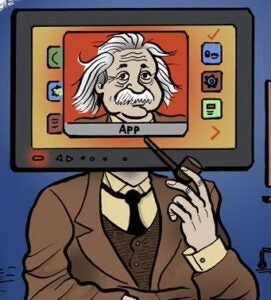
The Trade Desk is muscling its way into the TV operating system business with its Ventura OS – but the real story isn’t the product itself. It’s what TTD’s ambitions reveal about conflicts of interest within the industry and the inherent mismatch between consumer and advertiser needs.

To squeeze the most juice out of their live sports campaigns, many marketers are adopting programmatic buying and marketing mix modeling, both of which are also drawing more advertisers to the digital live sports cornucopia.

The FAST channel ecosystem is providing advertisers with a sandbox (no, not that sandbox) to test new CTV formats, targeting tools and programmatic buying methods.

At AdExchanger’s Programmatic AI conference, media experts discussed how the rise of AI-generated content is changing the industry’s understanding of “premium” content.
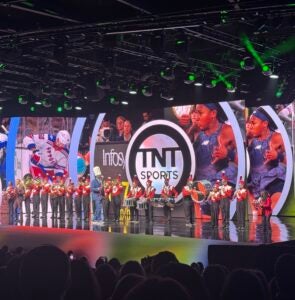
During upfronts, publishers flexed their ad performance muscles at media buyers all week long in an effort to appeal to the biggest demands media buyers have during their upfront negotiations: flexibility and results.

As a queer media trade reporter, I often wonder whether media companies and marketers are interested in trying to form a connection with me based on my queer identity.
It seems like all the streaming services are getting into vertical video these days. But ads aren’t on the menu yet.

Platforms using talent to corroborate sales pitches is nothing new – the TV upfronts have always included publishers peacocking their talent to impress buyers. But YouTube arguably juggles an additional obligation to act in accordance with its self-imposed competitive differentiator: authenticity.

Earlier this year, datafuelX rehired Dan Aversano, one of the company’s co-founders, to take the helm as CEO. Aversano will lead the company through its next growth phase, which revolves around – surprise, surprise! – connected TV and digital expansion.

I’m pretty sure I’ve missed the window on becoming a Crumbl fan — but I can still appreciate the “pretty pictures of cookies” on their CTV ads.

Now that we have not one but two reporters covering the CTV advertising space, we thought we’d try something different and share the roundup newsletter this week!

America’s Test Kitchen introduced direct and programmatic buying for its free ad-supported TV channels – marking the first time it’s selling ad inventory as a standalone package.

Netflix unveiled its own conversion API to help brands measure outcomes as CAPIs become increasingly popular in streaming advertising.

Late last week, Netflix walked away from plans to acquire Warner Bros., clearing the way for Paramount Skydance to scoop up the whole company with its hostile takeover bid.

Who says TV is the only media channel that could benefit from converged buying?