

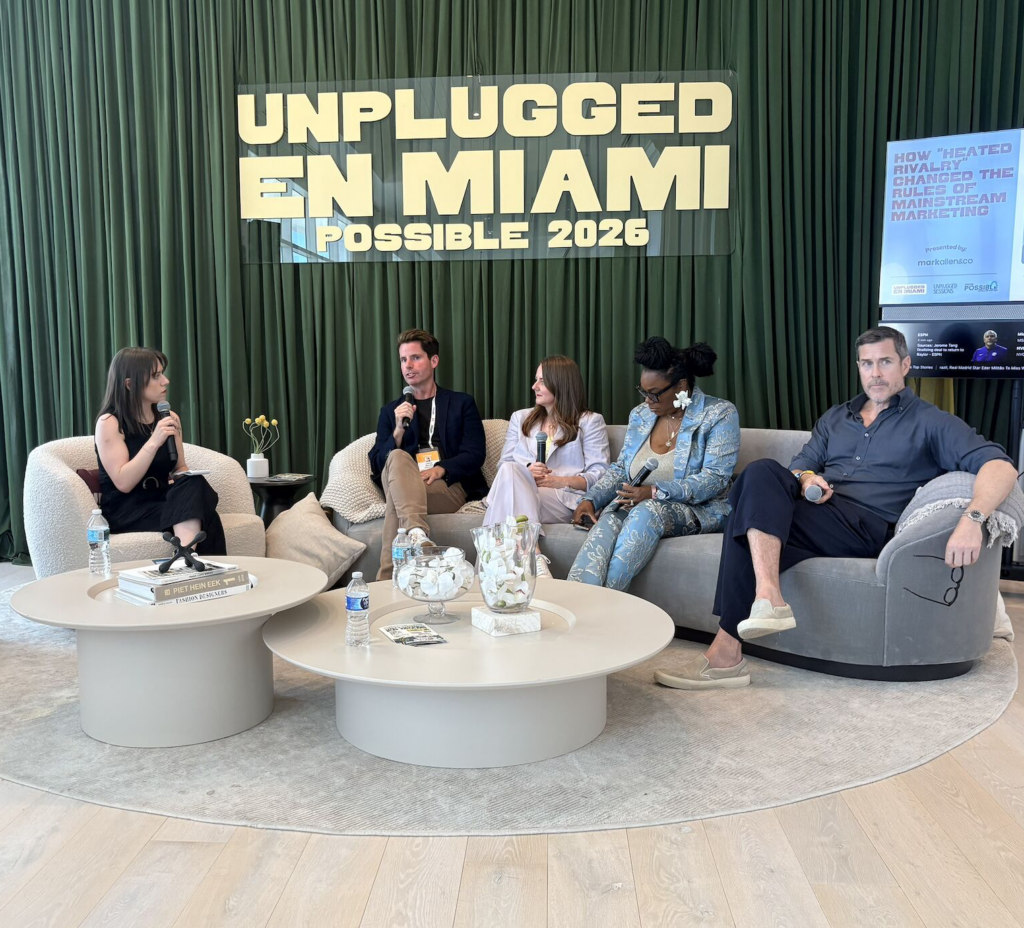
As a queer media trade reporter, I often wonder whether media companies and marketers are interested in trying to form a connection with me based on my queer identity.
It’s a question I got to unpack onstage at POSSIBLE 2026 in Miami earlier this week, when I moderated a panel about how the TV show “Heated Rivalry” changed the rules of mainstream marketing. (So, yes, I technically watched “Heated Rivalry” for work.)
If you weren’t there, here’s one takeaway: LGBTQ+ audiences feel turned off when studios and brands signal their support in a way that feels performative. Examples include LGBTQ+ content by non-queer writers and rainbow-washing, which is when marketers slap rainbow designs on their branding in June without taking more substantive steps to engage with queer communities during the rest of the year.
But “Heated Rivalry” was a wholly queer production written by an openly gay director, and this genuine reflection of queer culture is why it struck such an emotional chord with viewers, said Mark Tevis, EVP of sales and partnerships at Revry, an LGBTQ+ streaming platform.
As for brands, however, marketer buy-in appears to be lagging.
Come out, come out, wherever you are
When I first watched “Heated Rivalry” two weeks ago, I binged all six episodes of Season 1 on HBO Max in a single night. I was hooked on the show, but I also noticed there were hardly any unique ads. I saw the same PSA against drunk driving over and over again – including in the same ad pod – and only a small handful of other ads, including one auto commercial. The apparent lack of advertiser demand surprised me, considering how many people still talk about this show, even months after the premiere.
But a closer look at the politics surrounding LGBTQ+ identity across the US could reveal why some marketers are hesitant.
Many brands show support toward the LGBTQ+ community when it’s trendy to do so. But “when it became unpopular [for brands] to be aligned with the LGBTQ+ community, specifically in Florida, a lot of them walked out of the room,” so to speak, said Amy Reyes, assistant managing editor at Miami Herald, who was part of the panel.
The publication lost sponsors while reporting on local LGBTQ+ issues, Reyes said.
Fast-forward to now, as more people identify as LGBTQ+, and the premiere and popularity of “Heated Rivalry” represents a “moment where brands are reminded that this is an important community,” Reyes said.
Today, roughly 9% of US adults identify as LGBTQ+, according to Gallup News (just slightly less than the proportion of people who are left-handed, for context). That number is a big jump from the 3.5% who identified as something other than heterosexual in 2012.
This population spike is not because people are getting gayer. They’re just getting more comfortable coming out.
Power in numbers
As the LGBTQ+ community’s influence and purchasing power increase, it pays for brands to stay in its good books.
Brands that don’t make an effort to connect with the queer community “are missing out on actual growth and an opportunity to be relevant,” said Tuwisha Rogers, SVP of business development at multicultural agency network Burrell Communications Group. Brands who stay on the sidelines are “leaving money on the table,” she said.
But marketing to multicultural communities is only effective if it feels organic and not forced. “The LGBTQ+ community has been so marginalized, they’re vocal about the brands that show up – and the ones who have walked away,” said Revry’s Tevis.
The importance of queer authenticity is why so many Gen Z queer people are “really dialed in” to queer influencers while being “super skeptical of advertising that is pandering to them,” Tevis added.
But there are plenty of opportunities for organic alignment with the LGBTQ+ community.
There are other examples beyond “Heated Rivalry,” of course. German liqueur brand Mast-Jägermeister, for instance, co-produced a TV show with Roku called “The Lesbian Bar Project” as the title sponsor. The show, which chronicles the dwindling number of lesbian bars in the country, premiered on The Roku Channel in 2022.
And here’s an anecdotal example: I went on a blind date earlier this year that was sponsored by Applebee’s. (Yes, really.) Brands, including Applebee’s, Target and Uber Eats, are using their media dollars to support dating-related content on Street Hearts, a reality romance series with an Instagram and TikTok page. As a queer person, I have to admit I now have a higher opinion of Applebee’s because the brand didn’t restrict itself to sponsoring only straight couples. (The comments sections on Instagram and TikTok, however, aren’t showing Applebee’s as much love.)
But forget the haters. You know I’ll be taking myself out to Applebee’s with the gift card they gave me for my appearance.
What did you think of this newsletter? Have any thoughts about marketing to multicultural audiences? Want to come to Applebee’s with me? Hit me up at alyssa@adexchanger.com.
P.S. If you want Monday morning updates on the latest tech news in the TV and video advertising sphere, you can also sign up for the Cynopsis Media Tech Update newsletter here – which is written by yours truly.
P.P.S. Have you gotten your ticket to Programmatic AI yet? I’ll be leading a discussion with Debra Aho Williamson, founder and chief analyst at Sonata Insights, who’s delivering the opening keynote on May 19. See you there!








