
The Driverless Advertising Revolution; Walk A Mile In My Crocs
The potential for ads in robotaxis; Crocs is back to seeing year-over-year growth; and ad-free streaming tiers continue to grow more expensive.

The potential for ads in robotaxis; Crocs is back to seeing year-over-year growth; and ad-free streaming tiers continue to grow more expensive.
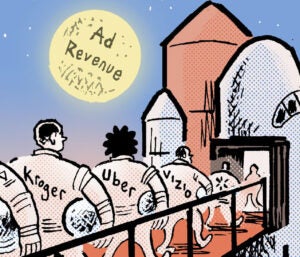
Retail media ramps up CTV partnerships to extend ecommerce audiences off-site; LaLiga’s piracy crackdown hits legit sites in Spain; and OpenAI mulls third-party ad measurement.

Advertisers can target high- and medium-attention ad inventory in Amazon DSP while filtering out low-attention placements and made-for-advertising sites.
Amazon has third parties selling some of its ad inventory; Scope3 selling Adloox to Peer39 suggests sustainability is out; and “fabric” is the new AI-related buzzword for ad tech.

The divergence between the DSPs reveals shifting buy-side priorities. Advertisers have grown wary of how The Trade Desk earns margin, where its algorithm steers inventory and how these strategies compete with buyer goals.

Buyers dig Netflix’s ad platform changes; OpenTable puts the “restaurant” in “RMN”; and Google and Amazon blame human error even when it’s AI’s fault.

A 2004 statute prevents owning enough TV stations to reach 39% of households. But without the scale afforded to other digital content companies, local TV is at a competitive disadvantage.
Maggie Zhang from Amazon Ads talks interactive video strategy, including opportunities on Amazon Prime Video and which genres drive the most engagement.

CTV spending is flattening, performance is plateauing and buyers are hesitant to push budgets further. The reason is not complicated. When buyers cannot see what they are buying, they cannot commit their spend with conviction.

AI-generated mystery pages are appearing on brand sites; Amazon Prime Video doubles its ad load; and bipartisan efforts to protect kids online get a new partisan focus under the Trump admin.
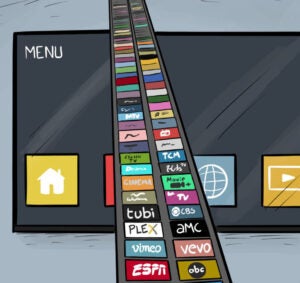
Amazon Prime Video rolls out new audience and contextual targeting; streamers wring more revenue from subscription-weary consumers; and AI is an app, so it must obey Google and Apple.
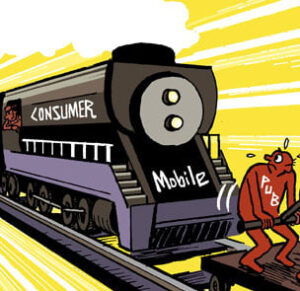
Criteo dives into video ads; after 20 years, YouTube might be the world’s biggest media brand; Threads opens up for advertising.

Amazon is still lowering its Prime Video ad rates across the board. Plus, there are disadvantages to being a big tech giant.
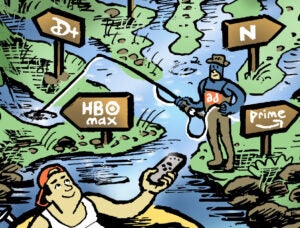
More dollars are flowing through the Amazon ads machine. Plus, are advertisers coming back to X out of fear of the Trump administration?
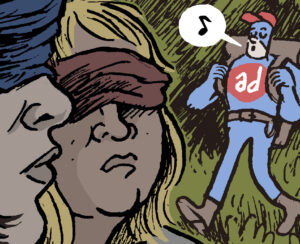
Google’s open-source MMM product goes live; Amazon Prime Video’s ad biz turns one; and teens don’t trust Big Tech and have doubts about AI.

A significant amount of the ad inventory distributed to CTV audiences is actually sold via linear. This is especially prevalent with FAST networks, which currently account for 20%-25% of ad-supported streaming.

The bottom is falling out of the mass multichannel TV bundle. Plus, Amazon crushed its first-ever upfront this year.

In today’s newsletter: Amazon stands out among Upfronts CTV rookies; Google reveals how much revenue its ad tech divisions make; and women hold more marketing leadership positions than men, but churn is worse for women.

In today’s newsletter: Digital twins are marketers’ cool new AI tool; Netflix pulls a Prime Video and defaults lapsed subscribers to the ad-supported tier; and California compromises with Big Tech on two journalism bills.

In today’s newsletter: The DOJ sues TikTok alleging COPPA violations; Disney wraps a competitive upfronts season as it faces stiller competition for streaming ad budgets; and more than $107 million was spent on ads for AI products in the first half of this year.

In today’s newsletter: To boost its ads biz, Walmart will show in-store ads for non-endemic brands; Hyve Group buys Possible; and the Senate advances KOSA and COPPA 2.0, but the bills face obstacles in the House.

Upfront negotiations might take longer than normal this year. Plus, Meta is already in hot water with the EU’s new digital regulations.

In today’s newsletter: Mobile and email providers face political blowback if they enforce ad policies; a new analytics startup sets its sights on Amazon attribution; and CFOs and CMOs are more aligned than you might think.

In today’s newsletter: SSPs lead the way on ad tech’s M&A resurgence; Disney rolls back CPMs to court more streaming ad demand; and why dating apps struggle to grow and monetize their audiences.

In today’s newsletter: Companies looking to sell data target the US market; which media companies to bet on at TV upfronts; and generative AI data licensing is the new publisher revenue stream.

The US ad market is set to grow this year, according to a Magna forecast released Thursday. Streaming and political advertising play outsized roles in that growth.
In today’s newsletter: Viant sees double-digit CTV growth powered largely by direct deals; Target launches a new paid membership program; YouTube makes a bid to compete with TikTok on video editing.

Data has not only become the new oil for marketers; it is also the oxygen breathing life into TV advertising with new branding and performance opportunities.

The results of Haleon’s recent test of Adelaide’s attention scoring solution within Amazon’s DSP could strengthen the case that low-attention inventory isn’t worth buying.

Here’s today’s AdExchanger.com news round-up… Want it by email? Sign up here. Prime Time Ads have arrived on Prime Video. But audiences have just about had it with streaming services that nickel-and-dime them, The Wall Street Journal reports. Instead of forking over an additional $3 per month to avoid ads, many have canceled their Amazon […]