
Why WebKit Did It; Apple’s Car In The Ads Race
Maybe Apple’s onto something with its ID vendor blocking; Formula 1 makes for a great advertising partner; and retail media is flirting with Flock.
Maybe Apple’s onto something with its ID vendor blocking; Formula 1 makes for a great advertising partner; and retail media is flirting with Flock.

Safari is tracking the trackers. Apple officially blocked identity resolution providers this week. Our guest, Zach Edwards, a cybersecurity researcher and the co-founder of DecryptAds, puts the decision into context. Plus: Edwards discusses his research into how programmatic channels are monetizing AI slop.

Netflix has a tracking pixel; the FTC signs off on Publicis acquiring LiveRamp; and Apple’s ad ID ban is no big deal next to its product plans.

Apple is coming for identity resolution. WebKit’s latest tracking crackdown targets the infrastructure behind post-cookie IDs – and switching to a first-party setup won’t necessarily spare vendors.

By all means, measure outcomes. Optimize toward sales. Make television more accountable. But if the product is basically a pixel, an attribution window and a CPA column, that doesn’t mean we’ve transformed TV into Google.
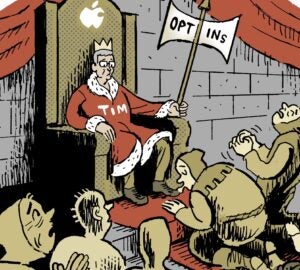
Against the backdrop of Advertising Week New York this week, the programmatic ecosystem has been buzzing madly like the inhabitants of an overturned beehive after the release of Apple’s iOS 27.
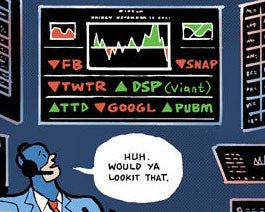
Apple’s WebKit crackdown appears to extend well beyond The Trade Desk, putting hundreds of ad tech, data and identity vendors on a mysterious, dynamically updated block list.
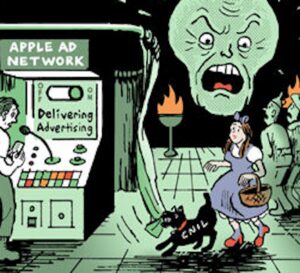
The Trade Desk is unable to serve ads to the Safari browser for Apple device owners that have downloaded iOS 27. Apple has been investigating the issue since last week.
Advertisers can now buy YouTube Shorts ads alongside open web inventory; Meta just wants to be wanted; and Meta’s Muse shows the danger of blindly trusting AI agents.
Google tests out a “pay per value” AI licensing scheme; Netflix, Amazon and YouTube join forces; and Apple may soon launch integrations with third-party LLMs.

Bending Spoons bets on the old web; more publishers start blocking bot scrapers by default; and Apple introduces app bundles.

InMobi acquires Apple ad startup MobileAction; the hallucination problem is real; and microdrama are being nonconsensually “nudified” with AI tools.

A proposed standard under discussion at W3C aims to redefine how ad effectiveness is measured across the web. This proposal would centralize measurement of ad effectiveness under the control of Google, Apple and Meta.
Reward Apps faces data broker allegations; Apple bolsters its advertising business; Comments are all the rage in social media marketing.
Could Epic’s rough patch mean ads in Fortnite?; TV’s shot to end the reign of direct insertion orders; and publishers learn how to game AI search summaries.

Brave’s chief of ads Jean-Paul Schmetz on competition in the search and browser markets, the fallout from the Google Search antitrust ruling and whether AI search will help smaller upstarts compete with Big Tech.

It’s hard to break into the ad platform big leagues; AI platforms debate the value of ads; and vibe coding isn’t all it’s cracked up to be.
The metaverse hype is over; Apple Maps forays into advertising; and streamers vie for HBO Max and the WBD studio archive.

Vidushi Dyall went from tracking cybercriminals at the Manhattan DA’s office to dissecting online ad empires. In this episode, she breaks down the DOJ’s antitrust battles with Google – and why she sometimes finds herself rooting for the so‑called evil empire.

The IAB Tech Lab’s new device attestation feature for its Open Measurement SDK provides a scaled way for original device manufacturers to confirm that ad impressions are associated with real devices.

Reddit sues four companies for scraping and selling (and buying) its data; Unity Software’s new zero-fee product is good news for mobile developers; and brands aren’t thrilled by TikTok shop’s latest updates.

Apparently, we’re in for a hardware revolution; advertisers don’t know what to expect from the US’s new version of TikTok; and live sports should take better advantage of ad opportunities.
Apple TV is losing its plus; Agentic AI is ruining the ad tech equilibrium; and Google insists that search is still solid.

Law firms are targeting marketers for class action suits; Discord is trying to go mainstream; and ICE’s media presence is getting unavoidable.

Delivery apps are launching social networks now; Google is the latest Big Tech company to write a huge check to Trump; and ad agencies of all sizes apparently aren’t big enough.

Meta’s sparse settlement payout ends the Cambridge Analytica scandal with a whimper; Google brings dynamic host-read ads to YouTube; and HUMAN uncovers IVT hiding in mobile app downloads.
Remedies in the federal search antitrust case against Google landed with a thud earlier this week. Most publishers and ad industry pundits were sorely disappointed.

Google’s search antitrust trial ends with a whimper; the pitfalls of agency-owned SSPs; Perplexity axes its ads business; and brands are still building big-ticket metaverse experiences.

Dotdash Meredith is People now; brands love influencers again; and Apple’s gonna finally help you with all those spam calls.

Amazon acquires AI-equipped wearable manufacturer Bee; the UK’s CMA shares competition guidelines for Google and Apple; and AI models may be learning from each other in unexpected, potentially harmful, ways.