Cambridge To Nowhere
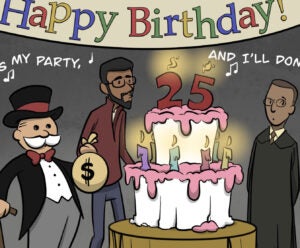
This week, Meta paid out a $725 million class action settlement related to the Cambridge Analytica data privacy scandal, The Verge reports.
One Verge reporter received a $38.36 payout from the case. But some participants reportedly received as little as $5. That’s chump change for a story that took on outsized importance in ad trades and general news.
In case you need a refresher, in 2018 it came to light that British consulting firm Cambridge Analytica had collected data from Facebook users without their informed consent. Cambridge Analytica used this data for political advertising during the 2016 elections. The phrase “Cambridge Analytica” became shorthand for Big Tech’s overreach and tracking violations.

The scandal bankrupted Cambridge Analytica. But, after years of regulatory fallout, it ultimately amounted to a slap on the wrist for Meta.
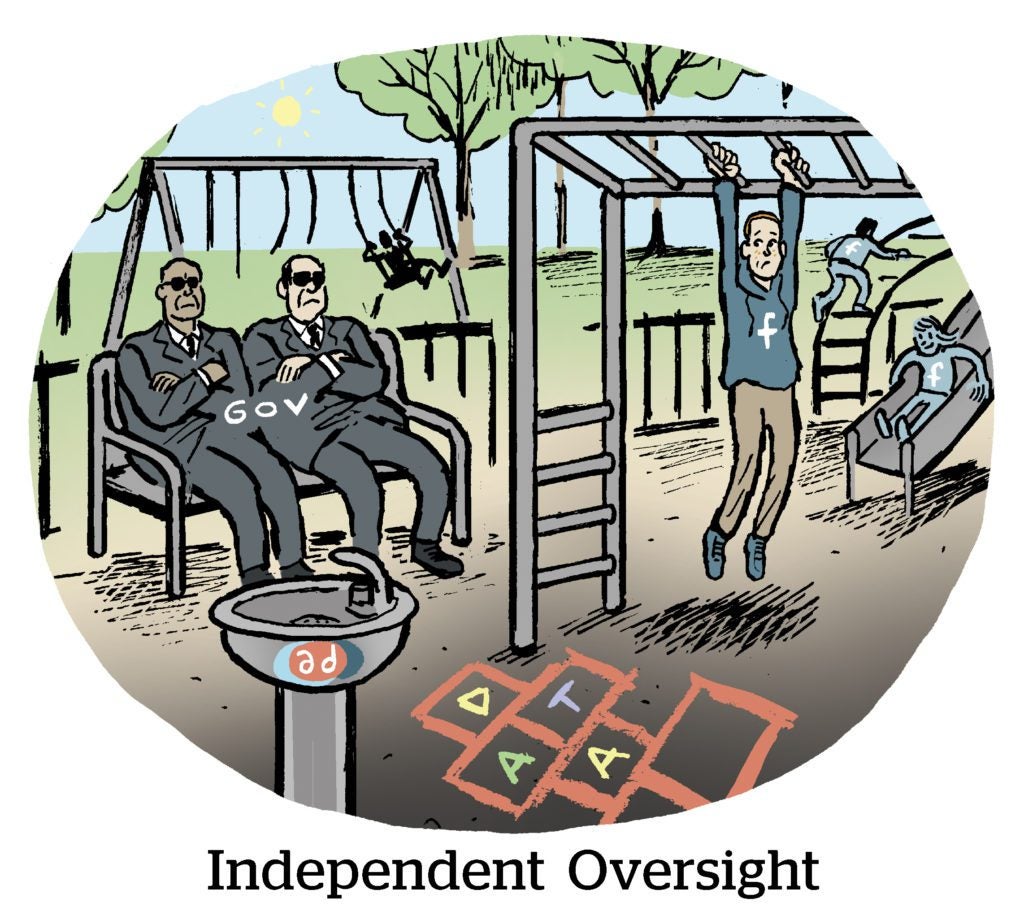
Which is to say the FTC fined Meta $5 billion and the EU levied its own $1.3 billion fine. Meta also paid several smaller penalties around the world. But those judgements didn’t dent Meta’s ad business, which has amassed some $720 billion since 2018.
Given this outcome, and the relatively lax remedies recently proposed for Google’s search monopoly, it’s enough to make one wonder whether Big Tech is too big to feel any retrospective accountability.
A New Dynamic
YouTube released new creator and advertiser tools, many of which mimic sponsorship deals typical of TV, Ad Age reports.
The goal for the video platform is to “increase the demand for brand deals on YouTube,” says Michael Beckmann, YouTube’s director of product for creator earnings.
YouTube CEO Neal Mohan called out greater creator brand deals as a “top priority for our sales teams.”
One way YouTube plans to unlock some easy monetization wins is with a new product called “dynamic insertion of brand segments.” The idea is to retroactively insert new branded segments into a creator’s past videos.
Normally, those sponsored spots are “permanently burned-in,” as Beckmann puts it. Now creators can backfill those segments with updated sponsors to pay again and again. Or they could run different sponsorships in different markets.
Another feature that creators can turn on uses Google’s Gemini video-generation model to identify when a creator mentions or shows a product, which automatically activates a shoppable button at that timestamp.
Fraud-ian Slip
A new report from cybersecurity firm HUMAN discusses a sophisticated scheme called “SlopAds” that unfurled across more than two hundred apps and nearly 40 million downloads.
An app only triggered fraudulent behavior if the user downloaded it by clicking on an ad, rather than directly – a tactic that makes it harder for good actors to spot bad behavior.
And even more stealthily, the scheme was executed through digital steganography, or the practice of concealing messages in code. In this case, the code was hidden in four different PNG image files, which needed to be reassembled to see the fraud logic.
The fraud module auto-clicked on ads with “repeated redirects” that manipulated referral data to look like legitimate traffic, Digiday reports. The sophistication of the operation, which included some novel tactics including attribution tag piggybacking, shows that bad actors continue to evolve to evade detection.
The scheme ultimately generated billions of fraudulent bid requests before being shut down. Although the apps involved were removed from Apple and Android app stores, given the amount of investment in the operation, HUMAN anticipates more schemes like this in the future.
But Wait! There’s More!
Magnite becomes the third SSP to file an antitrust lawsuit against Google. [release]
Trump sets his sights on The New York Times, filing a defamation lawsuit against the paper for $15 billion. [NPR]
An investor consortium that includes Oracle, Silver Lake and Andreessen Horowitz will likely take control of TikTok’s US business. [WSJ]
Disney, Comcast Universal Studios and Warner Bros. Discovery Inc. are suing Chinese AI startup MiniMax, alleging the company, valued at $3 billion, is pirating the studios’ intellectual property. [Bloomberg]
Comscore introduces a new “Scoreboard” for consumers and general viewers to track streaming and TV consumption. [Variety]
The private equity firm Apollo is considering a sale of AOL, which is halting its dial-up internet service later this month. Apollo says AOL still generates $400 million per year in ads and sales of privacy software. [WSJ]
Literally Media acquires entertainment outlet Den of Geek. [release]
Rolling Stone laid off a number of prominent staffers, including TV critic Alan Sepinwall. [TheWrap]
A deeper look at the super PAC launched by Meta that aims to elect AI-friendly politicians in California. [The Verge]
You’re Hired!
Lenovo has appointed Santi Pochat to the new role of VP, global AI innovation and brand strategy. [The AI World]