
So Begins ChatGPT’s Endless Ad Iterations; YouTube Affiliates With AliExpress
ChatGPT launches its latest iteration of ads; retail giant AliExpress expands its partnership with YouTube; and people are making their smart TVs less smart.

ChatGPT launches its latest iteration of ads; retail giant AliExpress expands its partnership with YouTube; and people are making their smart TVs less smart.

The assumption that an impression is a reasonable proxy for consumption is eroding, and when buyers stop believing it, pricing follows.

Most brands have a YouTube presence. Far fewer have a YouTube strategy, according to veteran marketer Norm de Greve, who recently joined the board at Pixability.
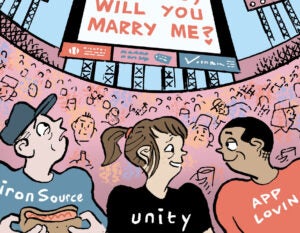
AppLovin sues Unity over data leakage; Meta’s creator business faces an uphill battle in competing with YouTube; and AI search wrongly blames Converse’s old CMO for its current ad controversy.

How legit is “annualized revenue run rate” as a metric?; YouTube discusses new creator marketplace tools; and AI agents keep bypassing safeguards.

When a creator already loves the product they’re marketing, it’s easy to work it into their content in ways that feel natural. That’s exactly what the Try Guys did.

Where teens were once swept into the same cohort as 18-34, brands will have to have separate strategies and tactics to engage them. And this shift comes just as Gen Alpha comes of age.

Google tests out a “pay per value” AI licensing scheme; Netflix, Amazon and YouTube join forces; and Apple may soon launch integrations with third-party LLMs.
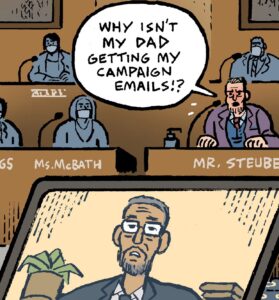
What’s with the myriad of retail media networks?; YouTube offers creators millions to refuse deals with Netflix; and political advertisers get a free pass.
Google’s Spirit Airlines data stockpile is feeding AI; ChatGPT’s advertiser switcheroo; and X’s rage-baiting isn’t the engagement signal advertisers are looking for.
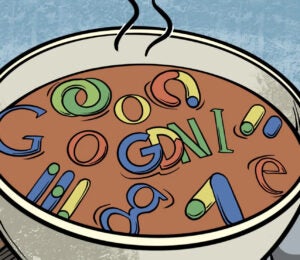
Investors didn’t bring up Google’s advertising business or ads in general once during the Q&A portion of Alphabet’s earnings report call on Wednesday.

Kraft Heinz’s deal with Disney represents a food marketing trend; how buying location data is a legal loophole for the government; analysts rain on OpenAI’s ad parade.
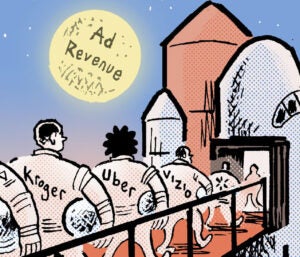
Retail media ramps up CTV partnerships to extend ecommerce audiences off-site; LaLiga’s piracy crackdown hits legit sites in Spain; and OpenAI mulls third-party ad measurement.

Everyone’s investing in AppsFlyer; NBCU launches Rock Studios, a creative studio for brand integrations; and Meta wants to hop on the TV bandwagon.

The future of TV isn’t traditional vs. CTV. Rather, it’s a partnership of two sides. Fox and Roku represent this convergence.
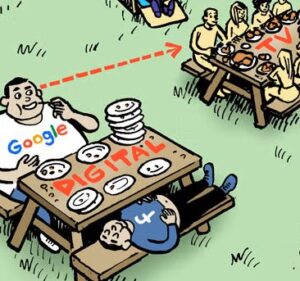
Where will OpenAI put its ads?; YouTube may or may not be considered TV; and Uber and Lyft deals really are too good to be true.

Pixability’s new MCP-enabled agent integrates Pixability’s proprietary YouTube intelligence and data into client platforms.

YouTube’s remix tool sparks creator concerns; AI fuels World Cup ticket scams; Anthropic warns AI is moving too fast.
Amazon has third parties selling some of its ad inventory; Scope3 selling Adloox to Peer39 suggests sustainability is out; and “fabric” is the new AI-related buzzword for ad tech.

Podcasts are becoming broadcasts; your kid’s college scholarship might be a data mining venture; and states are getting wise to false advertising from non-profits.

This year’s TV Upfronts buzzwords are in: performance, dynamic, AI and fandom We explain why this quartet of phrases wove their way through the presentations.
Keywords, Kinda The tabs, they are a-changin’. As in, campaign analytics tabs and what they’re meant to show advertisers. The biggest shift has been the move from “analytics” to “insights.” “Analytics” used to mean detailed, exportable data that brands could plug into their own systems. “Insights,” by contrast, are curated summaries and useful-sounding takeaways about […]
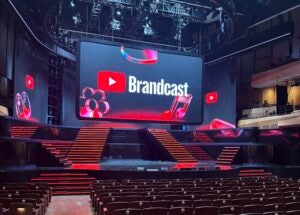
Another TV upfronts season is in the books. Please send your condolences to Senior Editor Alyssa Boyle and Associate Editor Victoria McNally as they reluctantly return to reality and their overstuffed inboxes.

Programmatic enemies make better friends in the AI era; social video projected to outgrow CTV this year; and apps are integrating into chatbots, but where are the users?
Going viral isn’t great; AI search is a nightmare; and CTV is forcing everyone to get along.

Zefr’s new agentic hub lets advertisers set up campaigns agentically using natural language prompts, thanks to an AdCP integration.

A proposed standard under discussion at W3C aims to redefine how ad effectiveness is measured across the web. This proposal would centralize measurement of ad effectiveness under the control of Google, Apple and Meta.
Surprise! Platforms ignore users opting out of ad tracking; the marketing machine claims credit for Geese’s popularity; and Meta’s MAGA-friendly moderation makes an unforced error.

ChatGPT’s ads manager leaves something to be desired; beware booking vacations via search ad; and YouTube is jacking up its premium prices again.

Pepsi cut ads, raised prices, and now must reverse both; YouTube is bringing interactivity to TV content; Instagram kills “link in bio,” sidelining publishers.