Coca-Cola’s Secret Recipe
Clicks, carts and content are all part of the same recipe, Manolo Arroyo, Coca-Cola’s EVP and global CMO, tells The Drum.
The modern media system brings together retailers, shoppers, online content creators and ecommerce data into one interconnected ecosystem, according to Arroyo.
That ecommerce data spans first-, second- and third-party data, geolocation, transactions, loyalty cards and content signals from platforms.
“Think about a massive, big boiling pot where you put all of that together in one place,” Arroyo says.

And so Coca-Cola is testing a new model through a major deal with WPP to produce vastly more content for a wider variety of media channels. Whereas 75% of Coke’s paid media budget went to TV in 2019, this year 70% will go to social media, primarily influencer content.
“It’s a marketing factory,” says Arroyo. Coca-Cola and WPP each boast more than 2,000 employees – which is what it takes to create content and generate data at the scale required by modern media.
“For us,” he quips, “it’s our new TV.”
Oh, and if you were wondering whether backlash over Coke’s AI-generated Christmas commercials has Arroyo rethinking his commitment to AI ad creative, the answer is nope.
“I see my role in encouraging my own peers to embrace technology, including AI,” he says, “but doing that in a responsible and transparent way.”
In Pod We Trust
Podcasts are the new shiny object in streaming video.
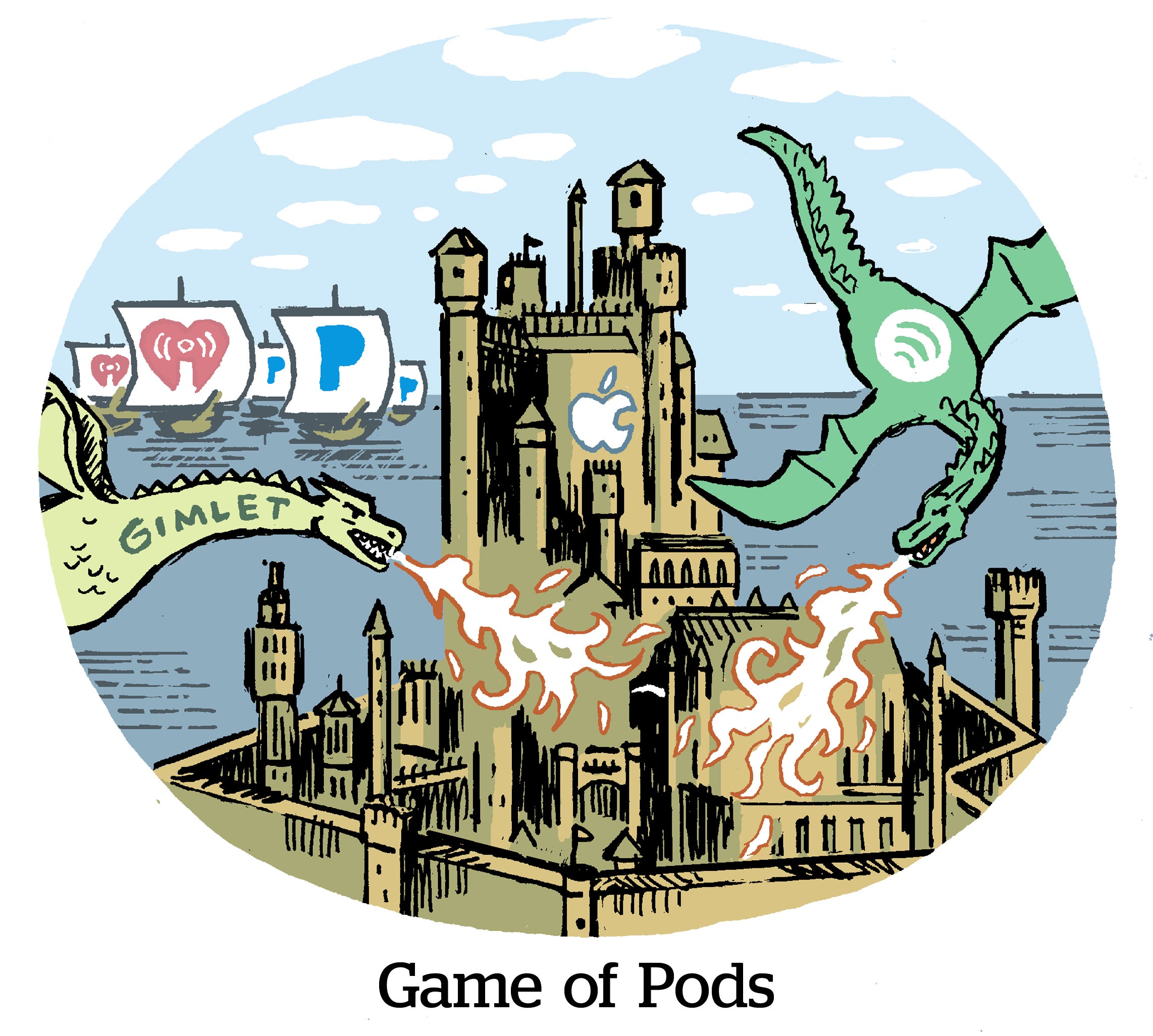
The latest example is a Netflix deal with iHeartMedia that will bring 14 of iHeart’s podcasts exclusively to Netflix starting in 2026, TechCrunch reports.
The Netflix-exclusive shows include some heavy hitters, including true crime mainstay “My Favorite Murder” and a podcast hosted by comedian and former late night host Chelsea Handler. Charlemagne tha God’s “The Breakfast Club” podcast – which boasts more than six million subscribers on its YouTube channel – will also be making the move to Netflix.
It’s the second exclusive podcast deal Netflix has struck with an audio platform in recent months, following the video streaming giant’s deal with Spotify announced in October. The trend suggests Netflix sees growing its podcast roster as a viable strategy for winning audience engagement and advertiser dollars away from YouTube.
It’s a little ironic that video-first platforms like Netflix and YouTube are now trying to muscle their way into the podcast market – seeing as audio-first platforms have complained for years that ad spend on digital audio lags behind listener engagement.
But, hey, maybe Netflix, which has a growing advertising business, will be the one that finally cracks podcast monetization.
Twenty-Twenty Sucks
Ad spend isn’t looking all that bright for 2026.
According to boutique research firm Madison & Wall, US ad spend is expected to grow 6.6% next year, down from prior estimates of 11%.
To make matters worse? Any gains are most “likely to be concentrated in a few hands,” reports Digiday, namely, “the titans of Silicon Valley.”
Digital advertising was up 21% year over year in Q3 2025, with digital accounting for 72% of overall ad spend. Its share will no doubt continue to rise as Big Tech and AI keep growing, as per the report.
While Madison & Wall estimates programmatic spend will grow 4.4% in 2026, open internet revenue will remain roughly flat. But rather than attracting net-new dollars, programmatic will mostly benefit from budget reallocations.
Meanwhile, W Media Research‘s Karsten Weide notes in a separate forecast that ad tech is hampered by infighting and conflict between the buy side and the sell side.
Advertisers are clearly speaking with their dollars.
They’re willing to concede transparency and control in exchange for platforms that can reliably attribute business outcomes.
But Wait! There’s More
The top publisher stories that shaped 2025. [AdMonsters]
What does the Pinterest/tvScientific deal mean for CTV? [Cynopsis]
The US is threatening to penalize specific European tech companies if the EU doesn’t stop fining, investigating and suing US-based tech firms, including Google, X, Amazon and Meta. [NYT]
Why Google’s spam problem is getting worse. [Search Engine Journal]
Paramount’s continued interest in buying Warner Bros. Discovery doesn’t seem to make a whole lot of sense. [The Verge]
To benefit Walmart, Pepsi raised its prices at other retailers, according to a recently unsealed and abandoned FTC antitrust lawsuit. [WSJ]
The next big influencer trend? Moms who embrace being estranged from their adult children. [WSJ]
Charisse Hughes, Kellanova’s chief growth officer, is leaving the company following its acquisition by Mars. [Adweek]
You’re Hired!
Meanwhile, Kellanova’s former CEO Steve Cahillane is slated to take over as chief executive of Kraft Heinz on January 1. [WSJ]
Anne Bologna has been named president of US operations at indie media agency Crossmedia. [release]
Thanks for reading AdExchanger’s Daily News Roundup. Want it by email? Sign up here.