
Can Meta Or YouTube Still Get You There?; Not So Routine After All
Ecommerce and DTC marketers may be overrelying on YouTube and Meta for advertising. Plus, song recognition technology is becoming a problem.
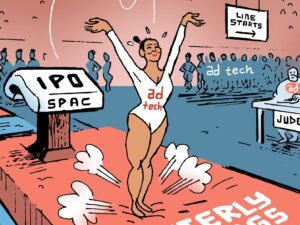
Ecommerce and DTC marketers may be overrelying on YouTube and Meta for advertising. Plus, song recognition technology is becoming a problem.

Brands have two options for avoiding election misinformation on YouTube: block all news, or only monetize credible news. But blocking all news restricts campaign reach and harms reliable journalists, just when we need them most.

With the growing number of social media users paying for a premium and often ad-free service, how can marketers engage these audiences?

The catalyst for Google’s future success – regardless of any legal ruling – is its YouTube strategy. Opening YouTube’s ad inventory to outside demand will increase its value.

In-game ad platform Frameplay joins with competitors to chase scale; top-level domains become a top-level concern; and could Google be forced to open its data warehouse?

On Monday, Pixability announced the launch of a product called GenAI Contextual Segments (CGS), with a goal to reach specific audiences across a wider range of YouTube content.

Outbrain is trying to shed its chumbox rep by bringing social media-style vertical video to mobile publishers on the open web.
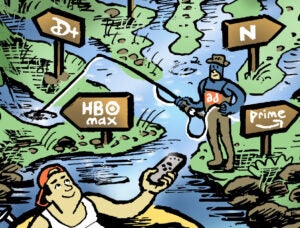
Winners and losers are emerging from the streaming melee. (Or at least the winenrs are.) Plus, CNN will begin testing metered content.

Chrome Privacy Sandbox adds support for deal IDs and extends Protected Audiences’ lifespan to 90 days; Google’s ad tech antitrust trial could open YouTube to DSPs other than DV360; and former Kubient CEO charged in accounting fraud scheme.

In today’s newsletter: Google Demand Gen is the industry’s latest over-attribution controversy; data from third-party brokers might not be worth it; and The Trade Desk launches a CTV operating system.

In today’s newsletter: Amazon stands out among Upfronts CTV rookies; Google reveals how much revenue its ad tech divisions make; and women hold more marketing leadership positions than men, but churn is worse for women.

M&A is still hot in ad tech this summer. Plus, Netflix’s upfront results may sound promising, but the streamer still needs to grasp the finer points of the advertising game.

The publication still makes most of its on-site digital revenue from programmatic. But it’s doubling down on direct-sold custom content, especially when it comes to video and social media.

Although the full revenue impact of Magnite’s exclusive SSP partnership with Netflix hasn’t hit yet, simply announcing the deal “created significant momentum for our business,” Magnite President and CEO Michael Barrett told investors.

Advertising is still Reddit’s meal ticket – but until its ad revenue tops the $2 billion per year mark, it can’t really be considered competitive with other social platforms.

In today’s newsletter: Netflix drops its ad prices to slightly less outrageous levels; X sues GARM, alleging it led an ad boycott for ideological reasons, not brand safety concerns; and how TV manufacturers have laid the groundwork to take ad dollars from streamers and cable.

In today’s newsletter: US rules Google has a monopoly in search, but not search ads; Nvidia’s unreleased AI has been scraping online video from YouTube, Netflix and others; and streaming app Max debuts a new personalized home page.

In today’s newsletter: Google Performance Max enables third-party brand safety measurement for YouTube; gen AI firms roll out new data-scraping bots to replace those blocked by publishers; and RAG deals give publishers more leverage in licensing their content to gen AI.

The next Google Search core update is expected in “the coming weeks.” Plus, The TV industry moves slowly, but it’s going FAST now.

The Chrome Privacy Sandbox team is stuck within a Catch-22. Plus, why haven’t media buyers bought more into alternative currencies?

Paramount Global finally agreed to merge with Skydance Media, but it’s not out of the woods yet. Plus, is YouTube really worth $455 billion?

Publishers and SSPs aren’t incentivized to accurately label their video inventory. But increased pressure from the buy side could correct the skewed pricing dynamics that result from outstream being sold as instream.

Ally’s newest Fortnite game, “Tee Time Speedrun,” launched last week to promote its sponsorship of the USGA and LGPA. The game ties into Ally’s goal of reaching gender parity in its sports sponsorships.
In today’s newsletter: Pinterest launches an ad optimization solution with familiar-sounding name; consumers can’t live without YouTube; and ad tech leaders try out trade journalism.

Media governance measures advertisers can put in place to navigate the complexity of brand safety and gain better control of the quality of their media spend.

How big of a deal is The Trade Desk’s top 100 list? AdExchanger spoke to industry experts for their reactions and bounced some of their hot takes off The Trade Desk.

In today’s newsletter: Why Apple’s SKAdNetwork 4.0 is a bust; advertisers are irked by Google’s optimization-driven demand for different creative formats; The Trade Desk releases a baffling list of top 100 publishers.

Even if the industry finds a way to replace the cookie, it won’t matter if publishers no longer have traffic to monetize.

In today’s newsletter: Google tries to buy its way out of a jury trial in the DOJ’s antitrust case against its ads business; Walmart sees some of its best margins on ad sales; and TikTok tests 60-minute videos.

In today’s newsletter: Companies looking to sell data target the US market; which media companies to bet on at TV upfronts; and generative AI data licensing is the new publisher revenue stream.