Harder-(Than We Expected)-Ware
We, as in the royal “we,” are on the cusp of a hardware revolution.
Or so we’re being told.
In May, OpenAI acquired Jony Ive’s next-gen hardware startup, called io Products, and now Bloomberg is looking for “superfans” (their word) who are keen to test and provide feedback on Pixel products before they go to market.
Meanwhile, Apple is reportedly plugging away on a foldable iPhone, and Meta is staking its claim in AI-integrated smart glasses via a deal with Ray-Ban.

The thing is, hardware is really hard.
That foldable iPhone? It was supposed to be out by next year, but now probably won’t be released until 2027 at the earliest. And OpenAI and io are facing technical issues that will delay their yet-to-be-revealed AI device.
Remember the VR headset craze that was supposed to change everything? Well, to this day, most Americans have probably never seen someone using an Oculus or an Apple Vision Pro either in private or public.
But if the web is dying, it’s time to make some progress on the hardware front. We need new canvasses to slap ads on.
The TikTok Question
The US likes to put its own spin on things. American cheese, American Pie – and now American TikTok.
The US version of the app will be operated by ByteDance, TikTok’s Chinese parent company, alongside a joint venture owned mostly by American investors, which will control user data and oversee the retraining of the algorithm, Digiday reports.
That’s about all we know for now.
But no one is quite sure who will be in charge of the app or how ongoing changes will affect advertising on the platform. Some advertisers are therefore cautiously pulling back until they can be more confident that the new version will operate the same as the original TikTok.
The US market is important for TikTok. US ad revenue made up almost half of the company’s global revenue in 2024.
But as new AI video platforms like Sora and Vibes come on the scene, TikTok’s future looks more tenuous than ever. If people end up spending less time on TikTok, the app will become less valuable to advertisers.
TikTok isn’t alone, though. As Jim Louderback, editor and CEO of Inside the Creator Economy newsletter, tells Digiday, “Sora is a risk to TikTok in the US and everywhere.”
No Fun
Live sports is the crown jewel of American media – and yet it’s being monumentally wasted.
Adweek reports that the NBA came up with a service for the 2025-2026 season so viewers can quickly find the correct streaming service or broadcaster with the rights to a given game.
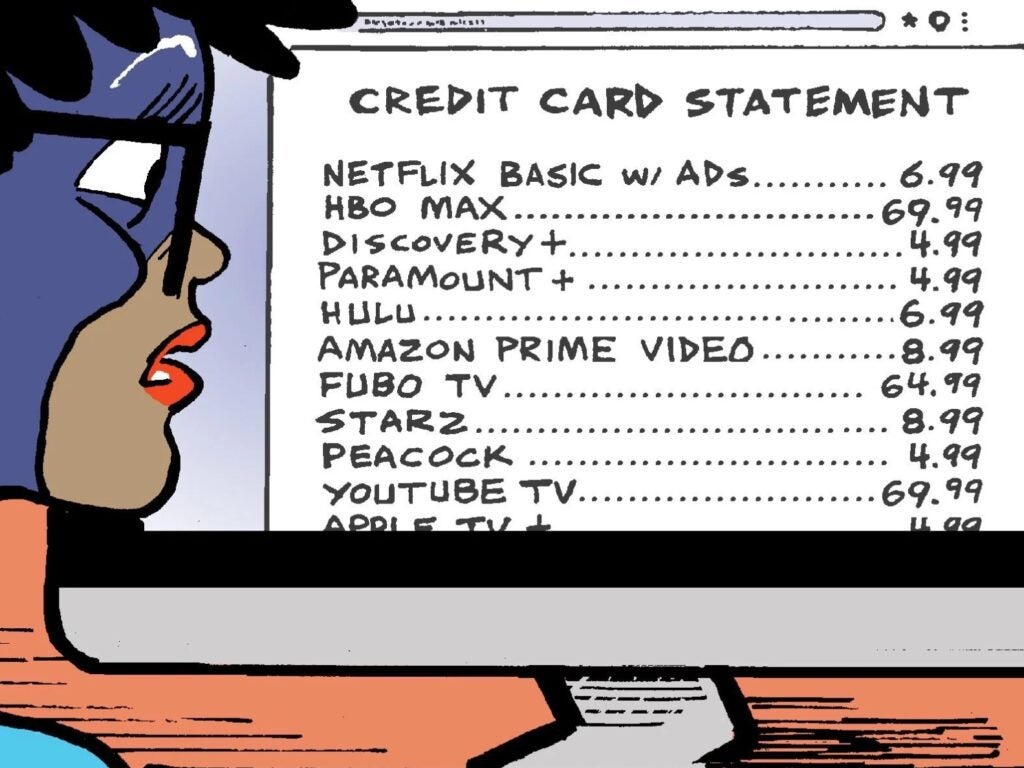
The NBA frames this as a useful tool for fans, but it’s a sad reflection of US sports fandom at the moment. Finding the streaming service that carries the right game and in what password-protected capacity is an odyssey.
Advertisers must be even more frustrated. It’s commonplace for major games to show static “We’ll be right back” banners for entire commercial segments.
Even NBCU’s Peacock – despite paying top dollar for NFL rights to entice Peacock subscribers – got caught in a carriage dispute with YouTube TV, which claimed its viewers shouldn’t have to pay more for the same content.
Meanwhile, Apple TV’s exclusive 10-year deal with MLS, the American men’s soccer league, allows free viewing, but with a much smaller audience compared to ESPN, the league’s previous broadcaster – and viewership has dropped by nearly two-thirds.
But Wait! There’s More!
Disney lost millions of subscribers apiece for Disney+ and Hulu following the Jimmy Kimmel debacle. [NYT]
Why aren’t news sites talking about Trump’s AI-generated pooping video? (Words you never thought you’d see in an AdExchanger newsletter.) [404 Media]
Hot take: More streaming video is bad. [Slow Boring]
Penske Media is the first major publisher to sue Google over its AI Overviews feature. [Emarketer]
Here’s today’s AdExchanger.com news round-up… Want it by email? Sign up here.