
On Wednesday, Josh D’Amaro led his first earnings call as the new CEO of Disney. The company closed last quarter with $25.2 billion in revenue, a 7% year-over-year increase. Disney Entertainment advertising revenue rose 5% YOY, and streaming revenue overall was up 13%.
ESPN ad revenue was down 2% YOY, although subscription and affiliate revenue was up 6%.
ESPN has been center stage in Disney’s growth strategy (and earnings calls) for many consecutive quarters. The slight drop in ESPN ad revenue was due to fewer impressions, according to the shareholder letter, which also cites fewer NBA games as a cause. But it is logical to wonder if the sports space is simply too saturated.
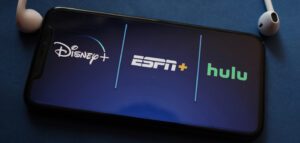
Either way, integrating ESPN and Hulu within Disney+ remains a core strategic priority for the Mouse House to increase engagement and stay competitive.
Separating those three content hubs as discrete businesses is “highly complex and unlikely to create incremental revenue for shareholders,” CFO Hugh Johnston told investors during Wednesday’s earnings call. Instead, these hubs are “better thought of as brands that create content,” he said, which Disney monetizes across whichever channels make the most sense for consumers while operating from a central ad tech stack. (The ESPN+ app will remain, but not Hulu.)
In other words, Disney expects centralizing its IP within Disney+ should help retain subscribers and grow engagement.
“Engagement is critical to reducing churn, [which] might be the most significant opportunity we have” to grow Disney+, D’Amaro told investors. “I’m pushing the entire organization to prioritize against that goal.”
Sports is the name of the game
Disney has a few plans to increase streaming engagement and, in turn, profitability.
Sports is at the top of Disney’s priority list, as it is for just about all the major media companies competing in the streaming arena. “Netflix, YouTube, Prime Video, Paramount+ – all of them are increasing their position in live sports,” Johnston said. And that competition is about to get hotter if and when Paramount Skydance closes its acquisition of Warner Bros. Discovery later this year.
But Disney says its competitive differentiator is scale. Disney gets to boast the ESPN brand, and it’s also widening its sports programming slate to attract subscribers. Johnston said ESPN is working on expanding its access to NFL content. Plus, Disney has roughly 70% ownership over the sports-focused platform Fubo, which it’s merging with its Hulu + Live TV offering.
Disney is also boosting the ESPN+ app experience, including with a new feature that personalizes sports content recommendations. Disney also plans to use AI to help better personalize ads on Disney+ and ESPN+.
“We’re implementing AI to enhance our ad targeting capabilities, letting our partners execute dynamic brand messaging,” D’Amaro said.
Interestingly enough, advertising came up only one other time during the call, when Johnston noted the increase in ad revenue. D’Amaro may not have wanted to get too into the ad tech weeds during his first earnings call with investors. But it’s worth noting that advertising has been a focal point of Disney’s earnings calls in the past.
Executives also mentioned Verts a few times during the call, referring to the short-form video feed it added to the Disney+ app, which the company expects will increase engagement.
Higher engagement and subscriber retention should help Disney continue to raise its streaming revenue throughout the year, D’Amaro said.
To Disney’s credit, user engagement is clearly a priority for Disney, and engagement is a big draw for marketers in their hunt for ad performance.
AdExchanger will be at Disney’s upfront event on Tuesday, listening for more updates on Disney’s ad strategy this year.