

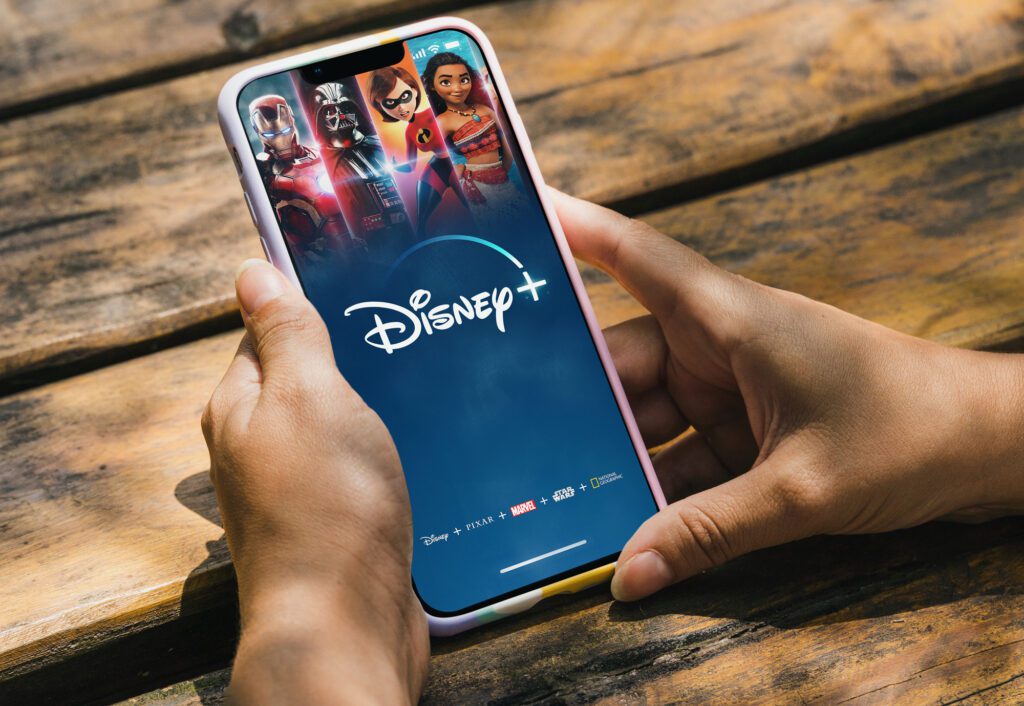
Disney had a good quarter, with revenue on the rise and streaming on the brain.
Overall revenue between January and March was up 7% year over year to $23.6 billion, while operating profit for Disney’s DTC division, which houses its streaming business, increased to $336 million from $289 million.
“Streaming remains a key priority and a core growth platform for Disney,” CEO Bob Iger said during the company’s Q2 earnings call on Wednesday morning.
(He said “Q2” because Disney’s fiscal year runs from the beginning of October to the end of September.)
Streaming subscriber numbers were also up across the board.

In the US and Canada, Disney+ subs and total Hulu subs both increased by 2% apiece YOY to 57.8 million and 54.7 million, respectively.
Meanwhile, ESPN+ is about to get a glow-up.
Disney plans to launch a standalone ESPN+ app within the next few months. Iger told investors to expect an announcement with more details on the product launch by next week, including the app’s new name, pricing and more specific information on timing.
Three pillars of streaming growth
But putting aside the separate ESPN streaming service, Disney is also bundling more content together from across its portfolio as a way to fight the ever-present threat of subscriber churn.
Embedding more Hulu content and live sports into Disney+, for example, is simply a better user experience, Iger said.
“Not only is engagement up, but churn is down, and significantly,” Iger said, adding that Disney is “optimistic” about being able to “turn the streaming business into a true growth business.”
Disney has a three-pillar plan to make that happen.
First, expect the bundling strategy to continue. “You’ll see more of that in the months ahead,” Iger said.
Second, Disney will keep investing in technology, including tools for personalization and customization, as well as “a lot on the ad tech side,” Iger said.
“I was just taken through a road map for the rest of the year, so we’re not talking about many years [from now],” he said. “We’re talking about the near term, where the technology improvements to the platforms will be significant.”
And the third and perhaps most important pillar of Disney’s streaming business is ongoing investment in the content itself, particularly outside of the US.
“We know we need to invest more in local content and we’ve already started that process,” Iger said. “It takes time, and we don’t really end up booking those costs until the shows air, but we’re already starting to develop more aggressively in very targeted markets outside of the United States.”
Being up front about the upfronts
But what would an earnings call on the eve of the upfronts be without a little talk about linear?
Especially with, you know, the wild economic environment right now.
“I know there’s lots of concern from a consumer perspective and what that might mean for advertisers,” said Disney CFO Hugh Johnston. “But there’s still strong demand there for Disney advertising.”
Although competition in the streaming space means there’s a glut of supply, he said, there’s still been high demand for TV inventory, especially among restaurants and health care advertisers. Johnston said Disney expects its overall ads business to grow by more than 3% this year.
And live sports, of course, remain linear’s white knight.
Prime time viewing on ESPN among the 18-to-49-year-old demographic was up 32% during the first three months of the year thanks to a mix of NFL programming, college football, the NCAA women’s basketball tournament and other live events.
“Sports viewership trends continue to be healthy,” Iger said, “which is giving us optimism as we head into the upfront next week.”









