
OPINION: Data-Driven Thinking
Apple’s Latest Privacy Move In iOS 27 Hits Different Than ATT
Apple’s latest Safari changes are stirring ATT-era concerns – but this time might be more disruptive for ad tech.

Apple’s latest Safari changes are stirring ATT-era concerns – but this time might be more disruptive for ad tech.

If the court ultimately orders Google to spin off AdX or DFP, the result would be a fundamental rebalancing of power across the digital advertising supply chain. For marketers, the implications are just as significant.

Many well-intentioned advertising standards efforts gather digital dust thanks to industry politics and competing interests. Here’s how the industry can stop sabotaging its own progress.

Amazon’s ad tech ambitions are crowding out Amazon specialists; EU regulators have concerns about Apple ATT; and Google says breaking it up could threaten national security.

Despite Chrome’s cookie deprecation turnaround, a comprehensive CAPI strategy remains crucial for brands advertising on Meta, LinkedIn and Snap – yet many advertisers are dragging their feet. Why the reluctance?

Competing agendas are limiting the tools publishers have at their disposal in ways that aren’t always primarily motivated by user privacy. Here are five things about privacy in digital media that should keep publishers up at night.

AppsFlyer announced its integration with the Attribution Reporting API in the Android Privacy Sandbox and released a related dashboard for campaign optimization.

The only way forward for the industry is to put consumer choice first. That means putting the cookie behind us and rebuilding our relationship with consumers.

In today’s newsletter: SSPs lead the way on ad tech’s M&A resurgence; Disney rolls back CPMs to court more streaming ad demand; and why dating apps struggle to grow and monetize their audiences.

In today’s newsletter: Why Apple’s SKAdNetwork 4.0 is a bust; advertisers are irked by Google’s optimization-driven demand for different creative formats; The Trade Desk releases a baffling list of top 100 publishers.

There are other motivating factors for crossing the LUMAscape, besides increased efficiency and less ad fraud. These businesses are trying to position themselves to win in a transformative era that will make or break many ad tech companies.

In today’s newsletter: The CMA outlines plans to fix competitive concerns in Google’s Privacy Sandbox; media mix modeling’s comeback continues; Snap’s Q1 earnings illustrate its attribution-driven turnaround.

In today’s newsletter: AppLovin raises $144 million and buys video shopping app Flip; Google agrees to disclose that it collects data from Incognito users; and why Trader Joe’s is (and isn’t) the Shein of grocery stores.

Are the big players building a more privacy-friendly advertising ecosystem in the right way? Or are they just cementing their control?

Crisis is often fertile ground for change. And boy, the marketing world is in desperate need of change.
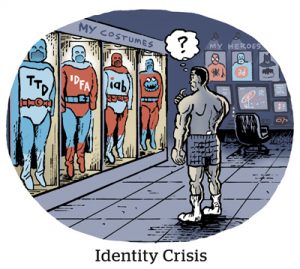
TV ad measurement is still a mess of data fragmentation and marketer frustration, but identity can help bring some order to the chaos.

Ad measurement and attribution are in crisis – but maybe that’s a good thing says Andrew Covato, founder and managing director of measurement consultancy Growth by Science. “It’s time for change.”

Snapchat’s user base is broader than it often gets credit for, says Patrick Harris, who joined Snap to lead partnerships in May after nearly 12 years in executive roles at Meta.

First-party data is bolstering Slickdeals’ direct sales efforts and offsetting an industry-wide decline in programmatic CPMs. That data is also making ad targeting more effective for its native retail media inventory as demand for retail ads ramps up.

it’s hard to believe anyone in ad tech truly expects consumers to signal how they would like each corporate entity to track them across every property on the web.
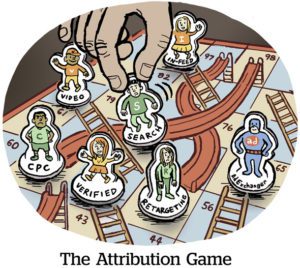
The three largest walled garden advertising platforms are investing in new measurement solutions, namely media mix modeling – even if it means giving credit to their competitors for driving conversions.

Political advertising restrictions are among the challenges that direct marketing agency MissionWired helps its progressive nonprofits and political campaign clients tackle.

The mobile web version of Wordle now features interstitial video and display ads that will run after a user clicks “Play” and before the game loads on their screen. The move is part of a broader initiative to expand ad offerings across the company’s portfolio.

Zitron argues that the internet is being ruined by the Big Tech players that control it and that advertising needs to lose its sense of entitlement over everyone’s data.