
Hyundai Tests Containerized Ad Tech To Drive New Efficiency
Hyundai was the pilot advertiser between Chalice and OpenX of the SSP’s container product, called OpenXBuild, that launched this year.

Hyundai was the pilot advertiser between Chalice and OpenX of the SSP’s container product, called OpenXBuild, that launched this year.
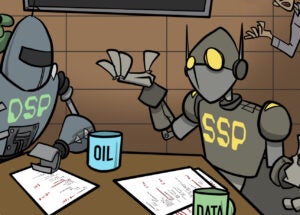
Two decades after the first RTB auction, programmatic is more complex than ever – and that’s before you even consider generative AI.

Magnite posted strong Q1 numbers and is confident that it will prevail in its battles with both Google and The Trade Desk.
The Dynamic Traffic Engine, an open-source tool, is geared toward optimizing bid requests and reducing programmatic waste.

Last week, the SSP Kargo announced a closed beta of its AI unified buying platform, Project Kera. The independent ad agency, Wpromote, is an early tester. Plus, the agency reveals a deeper look into its overall AI strategy.

Swivel and Olyzon’s new partnership brings buy-side and sell-side agents together as early examples of an agentic marketplace.
The Guardian US grew its programmatic revenue by 44% year over year in February. The lift came from higher effective CPMs across both the open exchange and private marketplace deals.

The divergence between the DSPs reveals shifting buy-side priorities. Advertisers have grown wary of how The Trade Desk earns margin, where its algorithm steers inventory and how these strategies compete with buyer goals.

Onetag’s acquisition of creative ad tech platform Aryel equips its curation solution with new tools for tweaking and testing interactive ad creative.

Broadsign may actually be building a platform that will make an attractive acquisition target down the road. And one of the major cross-platform Big Tech players feels like the most likely buyer.

AudienceMix, a new curation startup, aims to make it more cost effective to mix and match different audience segments using only the data brands need to execute their campaigns.

Inside Omnicom’s shift in spend from The Trade Desk DSP to Amazon DSP.
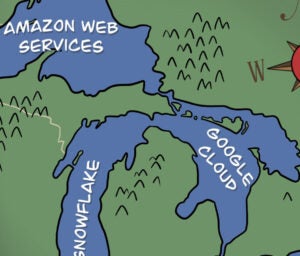
AWS RTB Fabric offers ad tech platforms more streamlined integrations with ecosystem and infrastructure partners, allegedly lower latency compared to the public internet and discounts on data transfers.
With its PubDesk wrapper, The Trade Desk is putting roots into ad tech’s sell side. But publishers are wary.

SSPs aren’t thrilled by TTD characterizing them as “resellers”; Amazon DSP just announced a new partnership to sell Netflix inventory; and pharma brands will be subject to stricter regulations, per the FDA.

GAM’s dinner with ad agencies sparked speculation that Google is preparing to spin off its bundled SSP and ad server as a remedy to its ad tech monopoly. But Google says it’s just part of the trend of SSPs going direct to buyers.
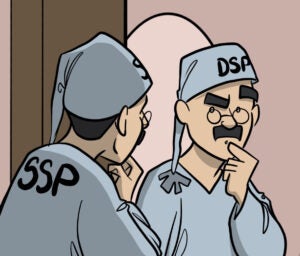
TTD turns its back on SSPs; scientists are finding a home on Bluesky; and a hacker used Anthropic’s Claude to plan a cybercriminal operation.

CleanTap, an ad tech startup launched by the founder of Method Media Intelligence, wants to separate the wheat from the chaff in CTV by serving as a curation layer between DSPs and SSPs.
Over the past few years, sell-side curation has gained popularity as a way for advertisers to target high-quality publishers. Companies like OpenX are expanding their toolkits to support advertisers as well as publishers.

The return of in-banner video has resulted in a deluge of cheap video supply flooding the open web, driving down CPM rates for dedicated video inventory and creating user experience and ad quality concerns.
PubMatic’s new AI curation features are helping it forge closer relationships with ad agencies like GroupM that are ramping up their use of AI.

The era of fragmented, adversarial ad tech is winding down. A new paradigm is emerging defined by AI-first, end-to-end platforms and collaboration among buyers and sellers.

Equativ is now blocking made-for-advertising content from all exchange activity, marking a larger trend of pushing to eliminate MFA sites.

When it comes to third-party cookies on Chrome, Google’s plan to reverse course is neither here nor there, says Magnite CEO Michael Barrett. “Forget Privacy Sandbox,” Barrett said. “That thing was dead upon arrival.”
Google’s SSP and ad server businesses have been ruled monopolies. And Google Chrome isn’t going to change its third-party cookie opt-ins, further preserving third-party cookies. Go inside this momentous news.

If the court ultimately orders Google to spin off AdX or DFP, the result would be a fundamental rebalancing of power across the digital advertising supply chain. For marketers, the implications are just as significant.

More competition between SSPs and ad servers should be a boon for publishers in the long term. But publishers will feel some growing pains if there is a sudden disruption in Google’s ad payouts or if their ad server fees increase.

After adopting OpenPath, Freestar pubs now see 3x higher inventory fill rate from The Trade Desk demand and 27% higher programmatic revenue from these buyers.
Warner Bros. Discovery officially launched OpenPath last week, with the goal of driving demand for its news sites’ display inventory. But for now, CTV is not part of the integration.
Just because curated PMPs and direct-to-DSP deals are trendy doesn’t mean they should be the focus of every publisher’s tech stack.