Redefining Reselling
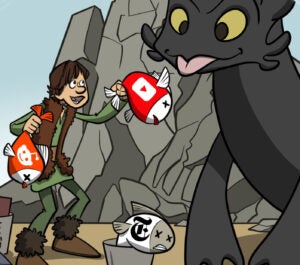
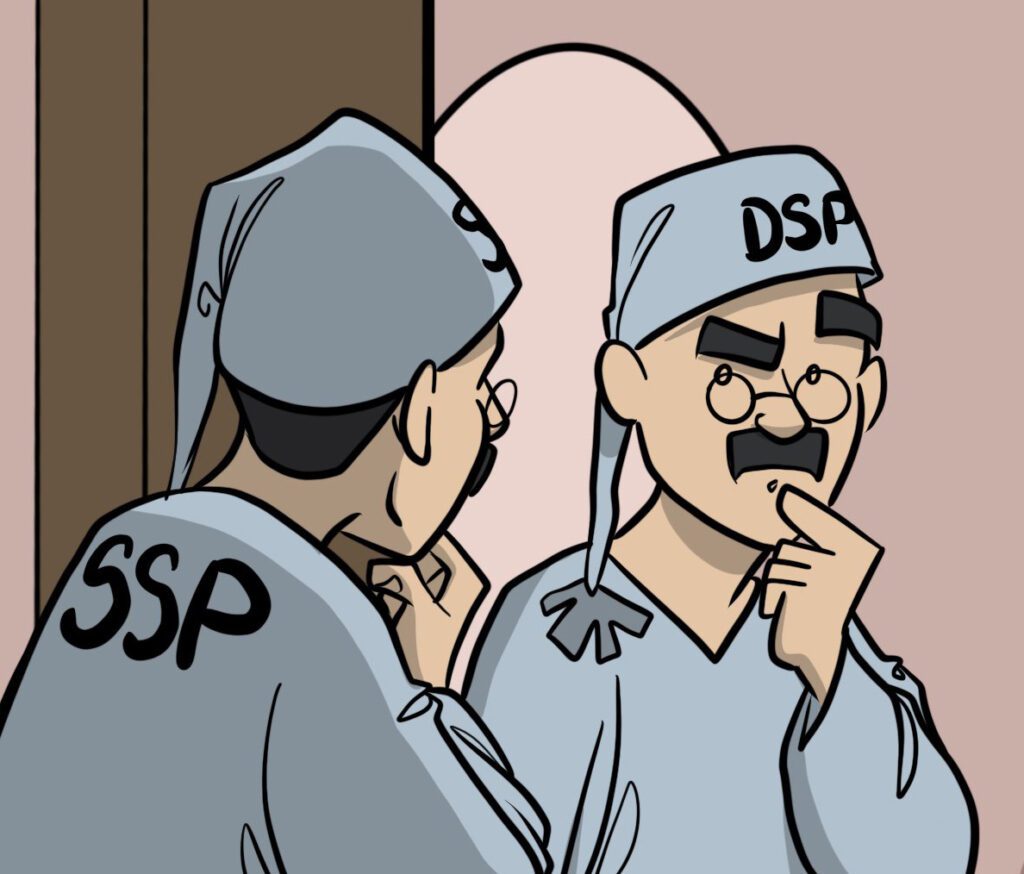
As far as TTD’s new Kokai DSP interface is concerned, all supply-side platforms are resellers, Digiday reports.
Put another way, SSPs are being cut out of deals as much as possible in the interest of supply-path optimization – which means more demand is flowing through OpenPath, TTD’s direct connection to publishers. Oh, and TTD gets more revenue in the long run.

But should all SSPs really be classified as resellers? Under the IAB Tech Lab’s ads.txt spec, publishers can declare SSPs as either direct or indirect sellers of their ad inventory. And if the SSP is authorized as a direct seller in ads.txt, then it “is indeed a direct supply chain,” according to Jounce.
But a recent update to TTD’s partner portal says: “We consider SSPs to be intermediaries because they are not a direct path to inventory.” That’s why, when a publisher sells inventory through an SSP and OpenPath, TTD’s Kokai platform penalizes the SSP path and prioritizes OpenPath.
TTD defends this approach by noting some SSPs take exorbitant cuts of publisher revenue and claiming that OpenPath funnels more money to pubs. But one anonymous source tells Digiday they’ve seen publisher payouts drop 50% as TTD directs more spend to OpenPath.
Blinded With Science
Per Ars Technica, scientists have left X en masse for all the typical reasons, including concerns over spam, misinformation and hate speech.
As a result, Bluesky has now started boosting referral traffic for some of those scientists, including marine biologist David Shiffman.
As Shiffman writes on his blog, Southern Fried Science, Bluesky is now responsible for “100x as much traffic” as Twitter (sorry, X!) is. In a survey of 800 scientists that he put together with colleague Dr. Julia Wester, Shiffman also found that a majority feel Bluesky is overwhelmingly better for professional purposes, including engagement.
Interestingly, Ars Technica’s own social media manager was able to corroborate Shiffman’s claims about referral traffic. While its X audience has remained fairly static, its Bluesky audience has grown 63% so far this year, surpassing X traffic “for the first time” this summer.
Like any social media platform, Bluesky might not be for everybody. Much has been written, for example, about its user base tending toward left-leaning political views.
But as Shiffman puts it, “I don’t use social media to argue with strangers about politics. I use social media to talk about fish.”
Feeling Misanthropic
A hacker exploited Anthropic’s Claude chatbot to conduct what NBC describes as “the most comprehensive and lucrative AI cybercriminal operation known to date.”
Uh … cue the applause?
Over the span of about three months, the hacker used Claude to identify vulnerable companies, create malicious software to steal sensitive data, analyze that data and finally determine how much bitcoin to demand in exchange for not sharing the data publicly.
According to a blog post published earlier this week by Anthropic, some of the ransoms exceeded $500,000.
Unfortunately, the August edition of Anthropic’s Threat Intelligence Report didn’t exactly inspire hope regarding future security breaches.
Despite the evolution of safeguards, the report predicts that this sort of incident will grow “increasingly common as AI lowers the barrier to entry for sophisticated cybercrime operations.”
Oh goodie.
But Wait! There’s More!
Amazon’s upfront has “exceeded expectations,” according to a spokesperson. [Adweek]
Cracker Barrel succumbs to presidential pressure and ditches its (admittedly terrible) new logo. [Fortune]
The CW has extended its rights deal with the Pac-12 college football conference. [Variety]
The UK’s Online Safety Act makes platforms legally responsible for protecting users – especially kids – from harmful or illegal content, but some say it could hurt privacy and free speech. [Tech Policy Press]
Speaking of which, 4chan and Kiwi Farms are suing the UK over its age verification laws. [404 Media]
Not to be outdone by OpenAI and Andreessen Horowitz, Meta is launching its own AI-focused super PAC in California. [Politico]
IT infrastructure provider Kyndryl has cut its team of security analysts by over 50% since adopting AI tools to track and respond to security breaches. [The Information]
OpenAI will update ChatGPT to include parental controls and provide better support for people undergoing mental health crises. [WSJ]
You’re Hired!
Health care-focused data science startup BranchLab hires Dan Parkes as CTO. [release]
M+C Saatchi North America named Chris Turney as its first-ever chief strategy officer. [AdForum]
Here’s today’s AdExchanger.com news round-up… Want it by email? Sign up here.