
Is Amazon Ready For An Agentic Future?; The Cost Of Building AI
Amazon is optimistic about agentic commerce; the costs of AI may soon outweigh profits; and AMC Global Media thinks old shows deserve new ads.
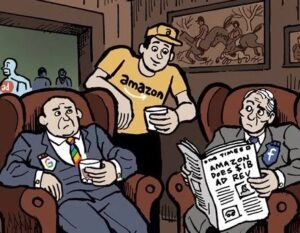
Amazon is optimistic about agentic commerce; the costs of AI may soon outweigh profits; and AMC Global Media thinks old shows deserve new ads.
Agency picks can quietly determine a brand’s tech stack; Ad spend is shifting away from the open web; The CW is betting on partnerships, not its own platform.
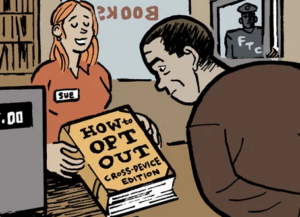
Surprise! Platforms ignore users opting out of ad tracking; the marketing machine claims credit for Geese’s popularity; and Meta’s MAGA-friendly moderation makes an unforced error.

Netflix’s MLB streaming is heavy on the ads; the anti-AI movement gains traction; the court dismissed X’s antitrust allegations.

Netflix unveils a conversion API; some publishers are using AI tools to expand their footprints; and CFOs are getting more involved in marketing decisions.
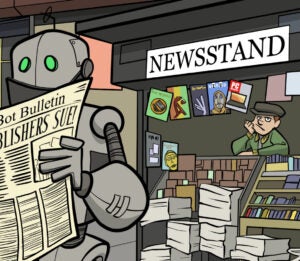
Amazon teases an AI licensing marketplace for publishers; not every country is fine with targeted gambling ads; and YouTube’s ad revenue share isn’t enough for its entrepreneurial creators.

Prebid is on a roll: It will take charge of a seller agent, part of AdCP, and Amazon’s integration with Prebid is in beta. But there’s one sticking point: Microsoft is not going to cache video ad creatives anymore that come through Prebid, leaving publishers scrambling for an alternative.

The generative AI trend generated endless hot takes this year, but the ad industry also had plenty to say about growing competition between DSPs and SSPs. Here are AdExchanger’s top 10 most popular guest columns of 2025 and why they resonated.
AI is fueling advertising, and AI agents are running ads. As we close out 2025, take a moment to listen to this AdExchanger Talks interview with Paul Longo, GM of AI in ads for advertising, for his POV on both of those topics.

Instacart tried dynamic pricing for groceries; AI companies aim for an open-source agentic AI standard; and Tinder digs into users’ camera rolls for data.
The Trade Desk gets insistent with Korai again; the EU is rethinking hashed IDS; and is the AI industry becoming a cartel?

Duolingo now speaks the language of ad sales; marketers worry about writing like bots; and Microsoft is getting in on ad-supported platforms, too. Duolingo now speaks the language of ad sales; marketers worry about writing like bots; and Microsoft is getting in on ad-supported platforms, too.

Delivery apps are launching social networks now; Google is the latest Big Tech company to write a huge check to Trump; and ad agencies of all sizes apparently aren’t big enough.
AI-enabled advertising could reduce ad loads on pages; Jimmy Kimmel is (still) causing a stir; and Microsoft is building an AI marketplace to ensure fair compensation for publishers.

The fundamental shift from traditional search to AI chatbots has major implications for the entire marketing organization, says Bluefish CEO Alex Sherman. If brands want control over how they appear in AI search results, they must think about the content they feed to large language models.

Remedies in the federal search antitrust case against Google landed with a thud earlier this week. Most publishers and ad industry pundits were sorely disappointed.
Data brokers de-index their opt-outs; Meta is still the go-to for influencer ads; and Perplexity offers to buy Chrome.

Reddit is surging with advertiser demand; not everyone is Substack material; and Trump released his AI Action Plan.

Microsoft is deprioritizing ad tech; Google wants to get back into publishers’ good graces; and Meta has been quietly developing proactive chatbots.

As premium game prices skyrocket and paid subscriptions and cloud-based gaming services take off, marketers sense a chance to defray rising costs with ad revenue – perhaps dispelling some doubts about the value of more ads in games.

YouTube finds new ways to crack down in ad-blockers; the Better Business Bureau takes swipes at AI marketing; and Gen Z only trusts digital-native brands.

Microsoft’s AI assistant, Copilot, is a product of trial and error. Past mistakes paved the way for today’s iteration which has led to performance improvements and increased customer trust.

Perplexity is thirsty for revenue streams; Marketecture’s media biz grows; and Duolingo goes dark on social after its AI pivot.

Jerry Dischler leaves Google; a bunch of marketing execs join AI companies; agency holdcos don’t know which way is up.

Proof keeps piling up that gen AI makes marketing creatives lazy; Google stops serving ads to parked domains, prompting questions as to why those domains were ever monetized; and a resurgent David’s Bridal thinks it can reach profitability this year.

Everything is (or becomes) an ad network. And then it gets ruined. Plus, there’s something the Trump administration has in common with the ad tech world.

Forecasters expected tariffs would impact advertising growth projections. But that was before we knew exactly how steep these tariffs would be – and now that we do, it doesn’t bode well.

An Adalytics report released Friday details numerous instances of brands serving ads to known bots that appear on the IAB Tech Lab’s International Spiders and Bots list and TAG’s Data Center IP List.

The Trade Desk’s weak Q4 emboldened the company’s critics; DOGE’s cuts to federal agencies are hurting ad agencies; and President Trump fires the two remaining Democratic FTC commissioners.

YouTube advertisers prefer long-form videos to Shorts; Microsoft tests an ad-supported version of its Office suite; and Chegg sues Google over lost traffic from gen AI search.