
Prebid’s Proposed Auction Overhaul Would Do What The Court Wouldn’t: Separate AdX From GAM
Reorienting the ad auction so that ad servers bid into Prebid lets publishers access demand from Google AdX without also having to use Google’s ad server.

Reorienting the ad auction so that ad servers bid into Prebid lets publishers access demand from Google AdX without also having to use Google’s ad server.
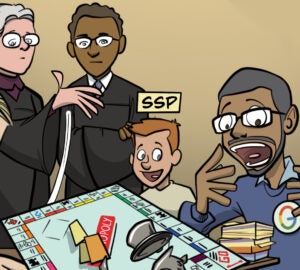
Given how much the market has changed since the Google trial began, and the wiggle room in the ruling itself, publishers aren’t expecting much relief from the court’s behavioral remedies.

With AI eating everyone’s traffic, publishers could use a sympathetic ear. AdTech Therapy’s Jana Meron and Scott Messer talk through the sell side’s biggest challenges and break down what Google avoiding an ad tech breakup means for media owners.

Agentic AI shows promise for direct deals. But if Google has its way, Buyer Direct could put an end to all sorts of agentic direct sales opportunities while they’re still in the cradle.

Ask Ad Manger offers instant troubleshooting help when a campaign isn’t delivering as expected, ideally by diagnosing the problem and suggesting how to fix it.

Roblox is making its under-13 audience available to advertisers for the first time. And it named youth-focused ad marketplace SuperAwesome as its exclusive advertising partner for under-13 users.

For all the AI-in-ad-ops talk, plenty of publisher teams are still trapped in the grind of pulling GAM reports by hand and trying to reverse engineer why revenue dropped. But publishers can use AI to speed up their ad ops tasks.

First, the VAB clashes with Nielsen over Big Data, and Pinterest teams up with tvScientific. Plus, Google Ad Manager rolls out major EU changes, from ditching Unified Pricing Rules to deeper data sharing with publishers.

WPP aims to turn around faster; YouTube TV tips the carriage deal market; and Roblox takes its time on video ads.
Enjoy this weekly comic from AdExchanger.com that highlights the digital advertising ecosystem …

In the Google search case, a forced spin-off of Chrome was never gonna happen, but a court-ordered divestiture of GAM isn’t beyond the pale in the ad tech case, says Geoffrey Manne, president and founder of the International Center for Law and Economics.

Day Two of the remedies phase of the Google ad tech antitrust trial was a grueling back-and-forth about the future of Google Ad Manager.

The Google trial remedy phase is about to begin; not all of YouTube’s AI plans are hitting; and The Trade Desk’s Kokai pitch decks leave something to be desired.
GAM’s dinner with ad agencies sparked speculation that Google is preparing to spin off its bundled SSP and ad server as a remedy to its ad tech monopoly. But Google says it’s just part of the trend of SSPs going direct to buyers.

Google is running a search monopoly, but the remedies are light. How will this decision affect advertisers and competitors? Plus, Google Ad Manager is acting like a standalone SSP, a move that appears connected to the looming remedies phase of Google’s second antitrust case.
Google’s SSP tries to cut out its DSP ahead of a possible ad tech breakup; Perplexity’s head of ads skips town; and Amazon’s search ad pause flooded the market with big spenders.

Microsoft is deprioritizing ad tech; Google wants to get back into publishers’ good graces; and Meta has been quietly developing proactive chatbots.
Amazon is integrating into Prebid. What does this mean for publishers? Plus, are Amazon and Google diverging in their product focus?

The DOJ is proposing that Google should give rival ad exchanges and ad servers real-time access to bidding data from AdX – and Google agrees.

If the court ultimately orders Google to spin off AdX or DFP, the result would be a fundamental rebalancing of power across the digital advertising supply chain. For marketers, the implications are just as significant.

More competition between SSPs and ad servers should be a boon for publishers in the long term. But publishers will feel some growing pains if there is a sudden disruption in Google’s ad payouts or if their ad server fees increase.

The wave of ad tech headlines in recent weeks represents a long overdue moment of reckoning for companies who (still) hold disproportionate control over publishers’ website traffic and revenue potential.

After adopting OpenPath, Freestar pubs now see 3x higher inventory fill rate from The Trade Desk demand and 27% higher programmatic revenue from these buyers.

While advertisers’ interest in gaming may be growing, their spending commitments seem stuck on pause, judging by Tuesday’s IAB PlayFronts event.

Roblox is making major additions to its still-nascent ad offering, including new integrations to make its ad formats available through Google Ad Manager.

Criteo’s Brian Gleason shared how it is working with agencies to capitalize on curation and measurement opportunities in retail media and CTV.

DSPs have been slow to adopt the Tech Lab’s new signal for classifying online video, causing confusion about which placement signal should be prioritized.

In response to shifting ad industry trends, A360 Media abandoned its made-for-advertising model four years ago and streamlined its site design to court programmatic demand.
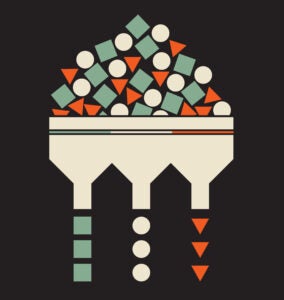
While tech companies are jumping on the curation bandwagon, publishers are left to navigate a new normal in programmatic advertising, where they often don’t have a say.

Forrester released its first SSP wave since 2014 last week, and there’s a surprise. The research firm ranked Google – whose sell-side ad tech platform is facing federal antitrust charges – as a mere challenger.