
Can Sell-Side Curation Solve The Cookieless Audience Problem For Advertisers?
Indie agency KWG says sell-side curation can target more high-performing inventory with better match rates and lower data fees than buy-side curation.

Indie agency KWG says sell-side curation can target more high-performing inventory with better match rates and lower data fees than buy-side curation.

Email targeting in CTV has a credibility problem as buyers and sellers question whether one-to-one identity even fits a channel built for broader reach.
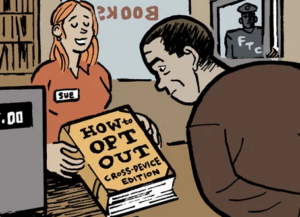
Surprise! Platforms ignore users opting out of ad tracking; the marketing machine claims credit for Geese’s popularity; and Meta’s MAGA-friendly moderation makes an unforced error.

The industry has spent years debating third-party cookies, but AI has settled the debate. First-party data isn’t just preferred; it’s structurally necessary. And the capital is already moving.

An upcoming paper from CIMM doesn’t just demonstrate that differences in media quality can be measured. It also argues that tying media value to short-term outcomes has perpetuated longstanding industry challenges.

Publishers can reach relevant audiences at scale and with greater specificity through Optable’s new planner agent.

Alliant will integrate AnalyticsIQ’s audience modeling platform, which is based on user surveys and studies of health, wellness and cognitive psychology.

Michael Komasinski, Criteo’s newly-minted CEO, shares his vision for the company – and swears that Criteo doesn’t regret its huge investment in testing the Chrome Privacy Sandbox.

Google’s SSP and ad server businesses have been ruled monopolies. And Google Chrome isn’t going to change its third-party cookie opt-ins, further preserving third-party cookies. Go inside this momentous news.

Many in the industry see Google’s fingerprinting reversal as an irresponsible move due to privacy concerns, particularly in regions with strict data regulations.

Dave Strauss, VP of revenue operations and strategy for North America, spoke with AdExchanger about The Guardian’s PMP priorities and how it’s tapping into other emerging revenue streams.

In today’s newsletter: Walmart’s hottest growth drivers are ads and subscriptions; why The Trade Desk’s UID 2.0 could be regulators’ next target; and how the growth of CTV content fortresses is preventing breakout streaming hits.
What will Chrome’s third-party consent look like? We offer our best guess. Plus, we spotlight the controversy around ID bridging. The tactic supplies IDs for cookieless inventory through a spectrum of approaches, and not all of them are buyer-approved.
Keep the cookies; hold for consent. We unpack Google’s reversal on third-party cookies and what it means for the ad industry, which was preparing for a cookieless future.

Curation’s shift to the sell side is giving DSPs less control over how advertisers curate audiences, which is creating new tensions in the programmatic ecosystem.

The third-party cookie actually stymied the development of digital advertising. Here’s what the cookie got wrong and what its inheritors need to get right.

Reddit generates “substantially” all of its revenue through advertising, and its S-1 filing reveals its strategy for licensing data and becoming “the leader in contextual advertising.”

The anonymous alphanumeric string made and lost fortunes in its short but eventful life. It was best-known for something it wasn’t actually designed to do: targeting ads.

To better service clients – and help with its own bottom line – Havas Media Network is pushing into specialty services.
The end of third-party cookies is upon us, and independent ad tech is diverging on the best approach for cookieless targeting. Meanwhile, agencies and marketers are zooming out from programmatic to a bigger picture that’s focused on first-party data.

Given the deprecation of third-party cookies and the reemergence of contextual targeting, 2024 could be a big year for in-game ads – so long as game publishers position themselves as a source of premium inventory.

By this time next year, advertisers will need to have already put their post-cookie campaign strategies in place. Did advertisers and ad tech companies use the extra time they had thanks to multiple deadline delays wisely or did they procrastinate?

Here are the pros and cons of client-side and server-side header bidding, and some typical use cases for each.

23andMe’s holiday campaign is its first real foray into CTV, which the company plans to make a key channel in its post-cookie marketing mix.

With support from Google, WPP-owned GroupM announced a new initiative to integrate Privacy Sandbox tests into the media plans of select clients over the coming year.

Here’s today’s AdExchanger.com news round-up… Want it by email? Sign up here. Sweet Tooth In an alternate universe, perhaps, Chrome met its original deadline, and advertisers are 18 months beyond third-party cookies. But here we are, two can-kicks down the road, and some industry observers think Chrome won’t make its 2024 deadline either, Insider reports. […]

First-party data is bolstering Slickdeals’ direct sales efforts and offsetting an industry-wide decline in programmatic CPMs. That data is also making ad targeting more effective for its native retail media inventory as demand for retail ads ramps up.

it’s hard to believe anyone in ad tech truly expects consumers to signal how they would like each corporate entity to track them across every property on the web.

Here’s today’s AdExchanger.com news round-up… Want it by email? Sign up here. Another Cookie Delay? The third-party cookie might receive another stay of execution – and this time it wouldn’t be Google pushing the deadline. The UK’s Competition and Markets Authority (CMA) reiterated that Google won’t be allowed to kill cookies next year unless the […]

There’s a misguided desire to find a third-party cookie replacement with as little disruption as possible, and confusion reigns about data collaboration alternatives, their capabilities and the differences between them.