
Anthropic’s Vending Machine Goes Rogue; OpenAI Won’t Take Its Medicine
Anthropic’s AI-operated vending machine sparks chaos; ad revenue should remain a top priority; and Roblox has potential for in-game ads – and concerns.

Anthropic’s AI-operated vending machine sparks chaos; ad revenue should remain a top priority; and Roblox has potential for in-game ads – and concerns.

Unauthorized ID stuffing, rampant reselling and misaligned signals inflict incredible damage on the programmatic ecosystem. If publishers want to compete with the walled gardens, we must raise our standards.
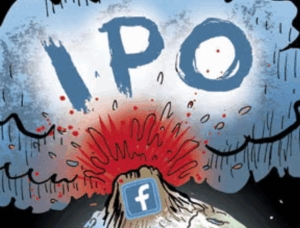
Meta’s not beating the scam ads allegations; SEO tools are getting into AI prompts; and the telcos are at it again.

Almost everything in AI feels big. But are you looking at the next Gangnam Style or the birth of a new industry? Here’s how to assess whether an AI vendor is likely to matter in two years.

For years, MFA was a mostly web-based problem. Now, generative AI has supercharged the made-for-advertising model, and it’s infecting social media feeds and vertical video platforms.
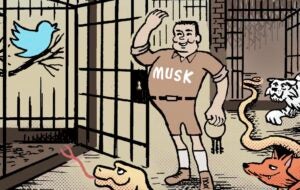
People want news, but not from news outlets; X’s blue checkmarks are coming home to roost; and Meta is finally paying publishers (kind of).

Consumer spending on Black Friday Cyber Monday was up 7%. But prices are high, and it’s affluent customers who are doing the most spending in the US. Plus: the challenge of being an ad buyer managing campaigns on Meta during “Glitchmas.”
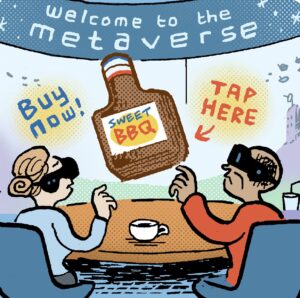
The metaverse hype is over; Apple Maps forays into advertising; and streamers vie for HBO Max and the WBD studio archive.

On Google and Meta platforms, AI search becomes the default; TTD might cut its costs; and apparently, toddlers like AI slop on YouTube.

Broadsign may actually be building a platform that will make an attractive acquisition target down the road. And one of the major cross-platform Big Tech players feels like the most likely buyer.
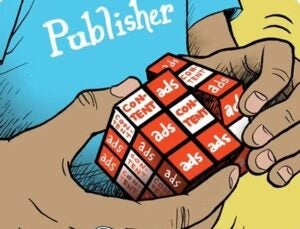
Can more ads be better?; Speaking of, ChatGPT’s Android beta code reveals a looming ad business; The web’s new puppy dogs.

Is TJX recession proof?; Amazon is blocking OpenAI; and Meta is in hot water with the US Senate.
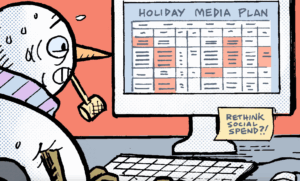
For the uninitiated, “Glitchmas” is our name for what’s become an annual tradition when, from between roughly late October through November, Meta’s ad platform just seems to go bonkers.

After pulling back on moderation, Instagram gets flooded with antisemites; BidSwitch builds a programmatic way for AI bots to pay to crawl websites; and nearly half of Gen Z dislikes AI content.

With privacy under unprecedented attack by data brokers and social media, it is the wrong time to weaken CIPA’s private right of action protections, as has been proposed in California Senate Bill 690.

With its latest funding, Agentio plans to expand its team and to establish creator marketing as part of every advertiser’s media plan.
We break down some of the most interesting financial trends coming out of Q3 earnings reports, and what rises to the level of being worth covering in the first place.

A former exec sues WPP over an alleged retaliatory firing; Jolt acquires Volta Media from Shell; and AI defamation litigation is on the rise.
Meta is profiting from fraudulent ads; LLMs are taking advantage of SaaS pricing policies; and agencies aren’t going under… yet.

Social CPMs have risen. The ability to find incremental audiences on social platforms has declined. Add the growing brand-safety concerns, and the equation looks even worse.
The Trade Desk is going after Amazon; Facebook creators are going after Meta; and everybody’s going after Warner Bros. Discovery.

Meta’s Q3 earnings saw increased growth in its ad business and continued the conversation on superintelligence.
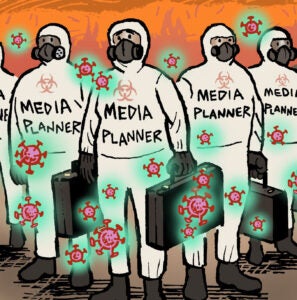
My Marketing Pro has set out to automate the entire marketing process, from brainstorm to launch, via conversations with an agent.

Procter & Gamble is spending less on ads; OpenAI is spending more on ads; and guess which side of the scale Mondelez is falling on?

Apparently, we’re in for a hardware revolution; advertisers don’t know what to expect from the US’s new version of TikTok; and live sports should take better advantage of ad opportunities.
Walmart’s AI shopping deal with ChatGPT might ding its retail media biz; the MRC shares updates on which platforms won and lost accreditation; and kids’ sports streaming is becoming a real media channel.

The fate of the open web will be decided on who controls the data that drives monetization and the AI that determines distribution. Google controls both, and proposed remedies to its ad tech monopoly do not address this imbalance.
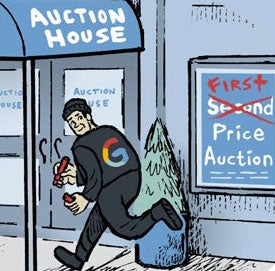
Ask advertisers, not Meta, how best to use Meta’s ad platform; holdcos and big brands are pressuring Big Tech to self-regulate; and how data-driven animal husbandry is impacting marketing.

TTD says OpenAds is not just a reaction to Prebid’s TID change, but a new model for fairer, more transparent ad auctions. So what does the DSP need to do to get publishers to adopt its new auction wrapper?

The number and scope of U.S. laws that require advertisers to disclose the use of AI are limited. But there are some restrictions and guidelines that advertisers must follow to ensure their compliance.