
CloudX Hits GA With Plans To Rewire The Mobile Ad Stack Using AI Agents
CloudX CEO Jim Payne – of MoPub and MAX fame – has a new startup that uses AI agents to take the pain (sorry, had to) out of mobile ad monetization.

CloudX CEO Jim Payne – of MoPub and MAX fame – has a new startup that uses AI agents to take the pain (sorry, had to) out of mobile ad monetization.
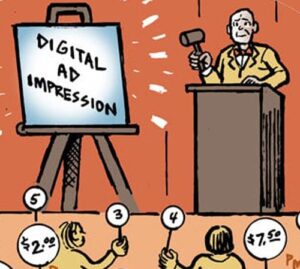
The MRC’s auction transparency standards aren’t intended to force every programmatic platform to use the same auction playbook – but platforms do have to adopt some controversial OpenRTB specs to get certified.

Q4 earnings reports are heating up; Private equity firms get squeamish; and AI data centers are harder to build than ever.

The brands seeing the greatest lift from Andromeda have adjusted not by outsourcing judgment to the algorithm but by refining their creative strategy. Here are three best practices to keep in mind.

Big TV’s shift to programmatic brings in the performance brands; Meta rolls out premium subscriptions for Instagram, Facebook and WhatsApp; and Yahoo enters the crowded AI search market.

Everyone has an opinion on OpenAI’s revenue prospects; Threads rolls out ads universally; and sports are a bastion of strength for Paramount.

Meta cuts its metaverse investment by 30%; Netflix makes a renewed push in the gaming market; and the rush to slap an AI label on everything is placing existing ad tech under renewed scrutiny.

Publishers have been losing 20%, 30% and in some cases even as much as 90% of their traffic and revenue over the past year due to the rise of zero-click AI search.

As brand safety standards evolve and oversight shifts from platforms to third-party vendors, Brittany Scott, SVP of global partnerships at Zefr, explains what the rise of generative AI – and Meta’s decision to step away from MRC brand safety audits – means for the future of media quality.

The generative AI trend generated endless hot takes this year, but the ad industry also had plenty to say about growing competition between DSPs and SSPs. Here are AdExchanger’s top 10 most popular guest columns of 2025 and why they resonated.

The founders of six AI startups offer insights on the founding journey and what problems their companies are solving.

Agencies are shifting away from third-party ad tech; ChatGPT is throwing all kinds of monetization spaghetti at the wall; and Axel Springer is looking to buy.
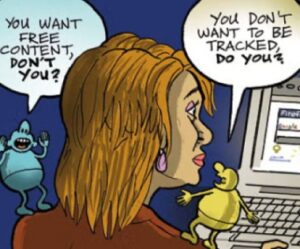
Anthropic’s AI-operated vending machine sparks chaos; ad revenue should remain a top priority; and Roblox has potential for in-game ads – and concerns.

Unauthorized ID stuffing, rampant reselling and misaligned signals inflict incredible damage on the programmatic ecosystem. If publishers want to compete with the walled gardens, we must raise our standards.
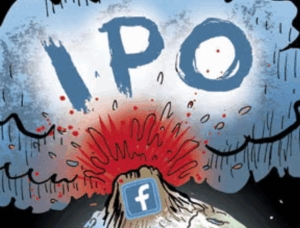
Meta’s not beating the scam ads allegations; SEO tools are getting into AI prompts; and the telcos are at it again.

Almost everything in AI feels big. But are you looking at the next Gangnam Style or the birth of a new industry? Here’s how to assess whether an AI vendor is likely to matter in two years.

For years, MFA was a mostly web-based problem. Now, generative AI has supercharged the made-for-advertising model, and it’s infecting social media feeds and vertical video platforms.
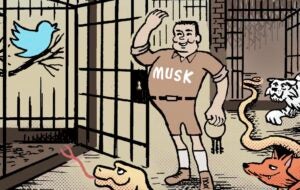
People want news, but not from news outlets; X’s blue checkmarks are coming home to roost; and Meta is finally paying publishers (kind of).

Consumer spending on Black Friday Cyber Monday was up 7%. But prices are high, and it’s affluent customers who are doing the most spending in the US. Plus: the challenge of being an ad buyer managing campaigns on Meta during “Glitchmas.”
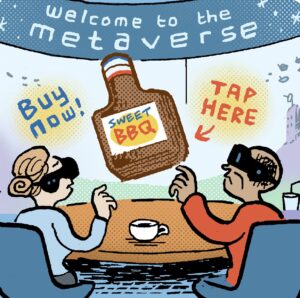
The metaverse hype is over; Apple Maps forays into advertising; and streamers vie for HBO Max and the WBD studio archive.

On Google and Meta platforms, AI search becomes the default; TTD might cut its costs; and apparently, toddlers like AI slop on YouTube.

Broadsign may actually be building a platform that will make an attractive acquisition target down the road. And one of the major cross-platform Big Tech players feels like the most likely buyer.
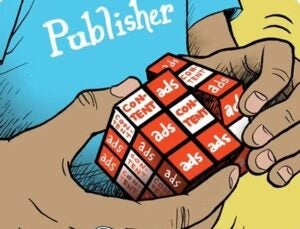
Can more ads be better?; Speaking of, ChatGPT’s Android beta code reveals a looming ad business; The web’s new puppy dogs.

Is TJX recession proof?; Amazon is blocking OpenAI; and Meta is in hot water with the US Senate.
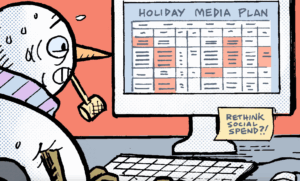
For the uninitiated, “Glitchmas” is our name for what’s become an annual tradition when, from between roughly late October through November, Meta’s ad platform just seems to go bonkers.

After pulling back on moderation, Instagram gets flooded with antisemites; BidSwitch builds a programmatic way for AI bots to pay to crawl websites; and nearly half of Gen Z dislikes AI content.

With privacy under unprecedented attack by data brokers and social media, it is the wrong time to weaken CIPA’s private right of action protections, as has been proposed in California Senate Bill 690.

With its latest funding, Agentio plans to expand its team and to establish creator marketing as part of every advertiser’s media plan.
We break down some of the most interesting financial trends coming out of Q3 earnings reports, and what rises to the level of being worth covering in the first place.

A former exec sues WPP over an alleged retaliatory firing; Jolt acquires Volta Media from Shell; and AI defamation litigation is on the rise.