
Cohen On A Prediction Tear; Scraping The Local Yokels
The IAB predicts what privacy laws might be passed by the new congress; AI-generated newsletters are competing with local news; and the IAB Tech Lab ramps up production of new OpenRTB specs.

The IAB predicts what privacy laws might be passed by the new congress; AI-generated newsletters are competing with local news; and the IAB Tech Lab ramps up production of new OpenRTB specs.

At long last, brands on Threads can buy ads. Plus, Meta is also trying to copy-and-paste an alternative to CapCut.

Would the internet be a better place if it weren’t run by billionaires? Plus, more brands are cutting out the ad tech middlemen.

Nobody is acting like TikTok will actually be scrapped from American smartphones. Plus, Venu Sports got benched – for good.
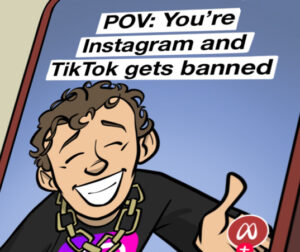
Enjoy this weekly comic strip from AdExchanger.com that highlights the digital advertising ecosystem …
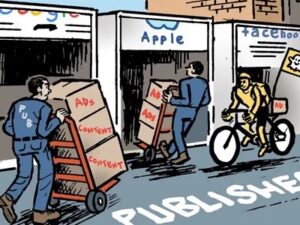
Meta recently revisited its goal to create AI-generated “characters” — which backfired. Plus, Apple’s trying to avoid a class-action lawsuit.

What is incrementality testing? “I’ve been doing more interviews with journalists lately and realize I need a better answer to this question,” says Haus Head of Strategy Olivia Kory.
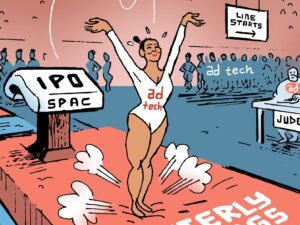
Ecommerce and DTC marketers may be overrelying on YouTube and Meta for advertising. Plus, song recognition technology is becoming a problem.

Black Friday ecommerce continues to surge, mainly on mobile; social platforms pull optimization features for health and beauty brands; and Google’s antitrust lawyers subpoena info about rival AI search startups.
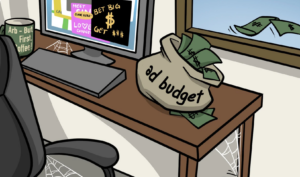
Call it a Glitchmas miracle. Maybe. Meta finally appears to have resolved a glitch in its ad platform that prevented new financial services advertisers from running campaigns.
Meta’s privacy policies are uniquely impenetrable. Plus, Google once thought Apple would likely expand its ad business to third-party apps.

Meta changes policy on “sensitive” ads; Texas AG launches an investigation into GARM; and the CMA takes it easy on Apple and Google when it comes to cloud gaming.

Bluesky’s user count is booming, but it lacks the scale marketers crave; “individual-level prices” are ruining airline rewards programs; and Meta details its fight against forced-labor camps that perpetuate online scams.

Political ad strategies evolved quickly this year, as campaigns moved beyond exclusivity, focusing on flexibility and reach. Here’s what this cycle taught us and how it will guide our business in the medium term.
Threads will introduce ads to capitalize on users fleeing X; Perplexity tests ads and sponsored queries; and Amazon pulls the plug on Freevee.

Meta continues to tinker with its business model as it deals with the new European regulatory environment. Plus, Government officials liberally used location-tracking software Locate X in criminal investigations dating back to 2018.

Advertisers new to CTV tend to misunderstand performance metrics and overemphasize cost per thousand impressions (CPM) as a measure of success.

In the world of online advertising on big walled-garden platforms – Meta in particular – October through November truly is the season of giving. Of giving advertisers ulcers and panic attacks, that is.
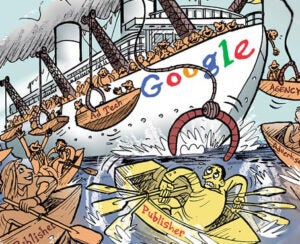
Retracing DPG Media’s journey to disentangle itself from the influence of Google’s ad platform and compete for direct ad budgets.
Disney redirects subscribers to its site to avoid Apple’s App Store fee; ad tech IPOs are in a lull, but the tech companies that are going public rely on ads for growth; and a Democratic PAC spent $30 million on Spanish-language ads.

A tool popular with law enforcement can track devices to sensitive locations. Plus, black boxes are getting a bit more transparent.

With the growing number of social media users paying for a premium and often ad-free service, how can marketers engage these audiences?

Despite Chrome’s cookie deprecation turnaround, a comprehensive CAPI strategy remains crucial for brands advertising on Meta, LinkedIn and Snap – yet many advertisers are dragging their feet. Why the reluctance?
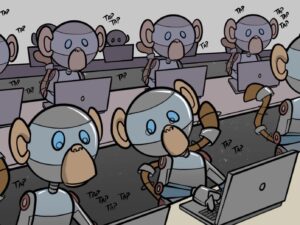
Nobody likes social media bots… but what about users who act like bots? Plus, even telling someone to go vote might get your content flagged.

Fertility companies are having their ads blocked on Google, TikTok and Meta. Plus, will the digital dark ages soon be upon us?

PayPal officially launched its ads business. Plus, Media buyers are worried that “an advertising mistake can become the news.”
Enjoy this weekly comic strip from AdExchanger.com that highlights the digital advertising ecosystem …

Google isn’t perfect. But it offers convenient, cost-effective advertising tools that millions of small businesses use to find customers, grow and succeed. If the DOJ breaks up the company, it will also break those tools.

A web crime ring that sold Facebook account service tickets collapses in dramatic fashion; how US antitrust precedent could inform the DOJ/Google ad tech trial; and more publishers turn to paywalls as the open web shuts its gates.

Welcome to Week Three of the US vs. Google ad tech antitrust trial. Plus, ews publishers are turning to WhatsApp for traffic.