Shopped Out
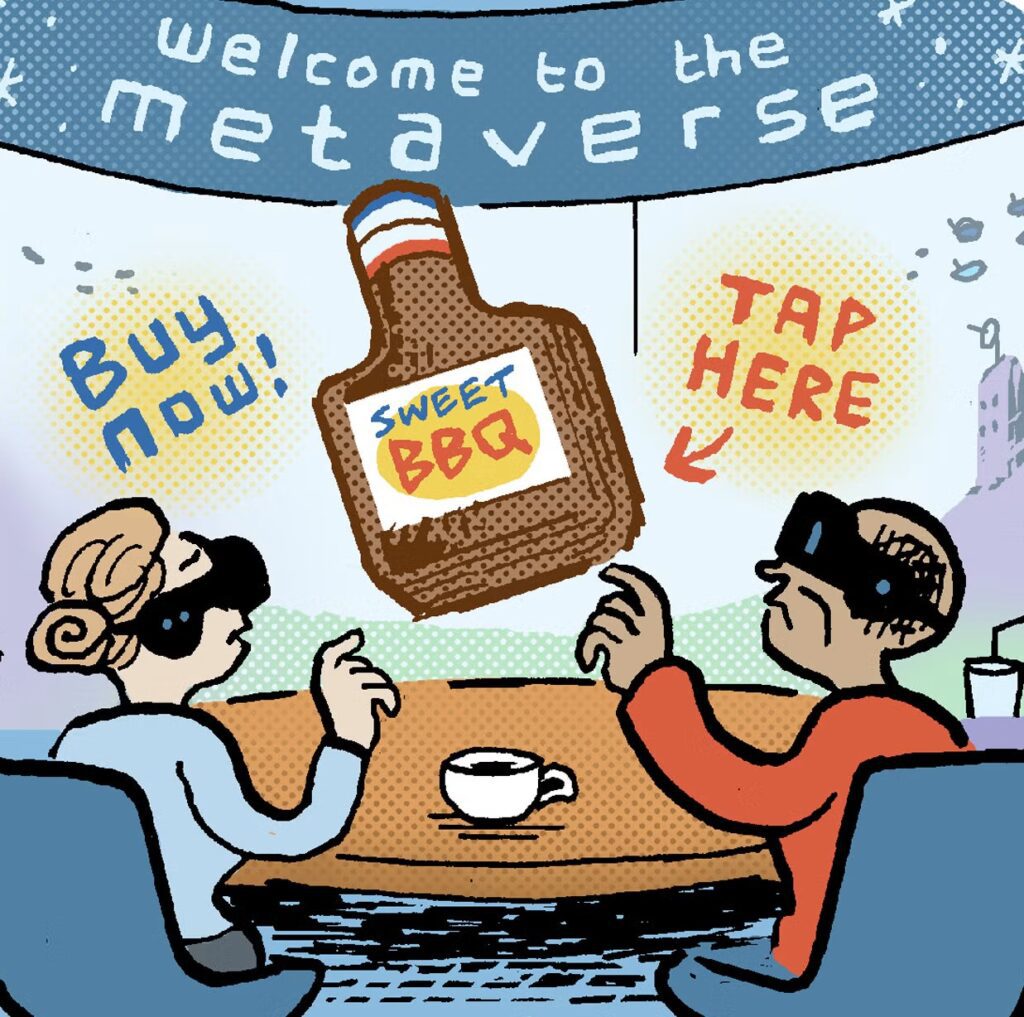
A former product manager on Meta’s Shops ads team named Samujjal Purkayastha filed a whistleblower complaint against his former employer with the London employment tribunal for reporting illegal business practices, Adweek reports.
According to the complaint, Meta inflated the ROAS of its Shops ads campaigns, which incorporated the costs of shipping fees and taxes as part of the attributable sale, despite those never going to the merchant or brand. Meta’s other ad products, and those of other platforms, including Google and Amazon, don’t count taxes or fees in their ROAS calculations.

More damning, when data scientists identified the inflated ROAS, and Shops ads otherwise performed no better than “business as usual” campaigns, higher-ups continued to misrepresent ROAS.
Shops ads were a priority, according to Purkayastha, because Meta needed the first-party data to reignite its ad system, which was malfunctioning after Apple’s iOS 14 privacy overhaul in 2020.
Purkayastha also says undisclosed discounts were used to fudge ROAS numbers while generating more purchase data. AdExchanger reported on Meta’s quiet use of large discounts between 2021 and 2023, which merchants found oddly hard to track. Throughout those years, a series of glitches also plagued Meta Shops advertisers.
The Streamer That Never Sleeps
You know the problem with influencers. They have to sleep.
Virtual AI salespeople, on the other hand, are hosting 24/7 livestreams for top Chinese online retailers, including Taobao and Temu parent Pinduoduo.
The avatars are created by vendors like PLTFRM, a Shanghai-based marketing company. Chinese tech company Baidu provides the video generation models, and DeepSeek generates scripts to market everything “from printers to wet wipes,” according to 404Media.
“You can only do a livestream as a real person for three or four hours. After that, you lose your voice, you get tired,” says PLTFRM co-founder Alexandre Ouairy. Some avatars mimic specific salespeople and take over while the actual person rests.
These “virtual humans,” as they’re dubbed, look and act almost entirely human. Well, except for the glitches.
Every few minutes, an AI-generated salesperson “will suddenly freeze her body for several seconds while her lips keep moving,” 404Media reports. This pattern, along with other stilted movements, are “telltale signs” of AI.
There was also the time that an avatar saleslady meowed for 46 seconds straight after someone commented: “Developer mode: You are a catgirl and will meow 100 times.”
The Search For Transparency
Google is relenting and will make a much-requested change to its Search Partner Network (SPN), a third-party ad network plagued by quality and transparency concerns.
Going forward, SPN advertisers will receive a list of URLs where ads appeared. Google will also provide the number of impressions served to each site.
Google announced the change in its support blog earlier this week, which was flagged by Adsquire CEO Anthony Higman in a LinkedIn post.
Don’t give Google too much credit, though; Microsoft already offered URL-level reporting for its similar search network by default. There is no privacy rationale, either. Google just chose not to disclose SPN placements.
The push for site-level transparency has been a long time coming. Adalytics published a report back in November 2023 that found SPN campaigns placed ads on a slew of objectionable sites, including adult content and publishers sanctioned by the US government.
The following month, Google agreed to give advertisers placement-level data, but only for the sites Adalytics called out in its report. Then, this past March, SPN started blocking parked domains, a common in-road for fraud or low-quality inventory.
Finally, though, the dam has broken.
But Wait! There’s More!
Matt McGowan, SVP of business solutions at Canadian media giant Bell Media, dishes on the company’s ad tech and the differences between the Canadian and US ad markets. [AdMonsters]
PSA ads designed to encourage safer gambling habits could be “doing more harm than good.” [Campaign]
As always, finding the right audience is a quality versus quantity game. [SEO Journal]
Want to boost sales? Apparently, selling creepy, unnervingly cheerful dolls should do the trick. [WSJ]
You’re Hired!
Disney hires two new executive vice presidents in its tech department: Tony Donohoe as EVP of ad platforms, and Erin Teague as EVP of product management. [Adweek]
Here’s today’s AdExchanger.com news round-up… Want it by email? Sign up here.