AI Ad Revenue Drama Sweeps Davos; A Higher Threads Count
Everyone has an opinion on OpenAI’s revenue prospects; Threads rolls out ads universally; and sports are a bastion of strength for Paramount.
After a prolonged will-they, won’t-they phase between Paramount Skydance and Warner Bros. Discovery, Netflix swooped in with an $83 billion offer on Friday to acquire the Warner Bros. side of the business.
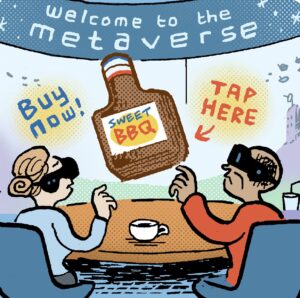
The metaverse hype is over; Apple Maps forays into advertising; and streamers vie for HBO Max and the WBD studio archive.
Is it just me, or do third-quarter earnings always seem especially strange?
We break down some of the most interesting financial trends coming out of Q3 earnings reports, and what rises to the level of being worth covering in the first place.
Disney’s Q4 earnings double down on the success of sports streaming content, but the YouTube TV blackout continues.
Before Warner Bros. Discovery’s Q3 earnings call even began on Thursday, the investor relations team made it clear that leadership did not want to talk about the company currently trying to sell parts of itself to potential bidders.
The Trade Desk is going after Amazon; Facebook creators are going after Meta; and everybody’s going after Warner Bros. Discovery.
YouTube backpedals on banning COVID and political misinfo; Tylenol pushes back against Trump’s claims that it causes autism; and Disney doubles down on linear TV and raises Disney+ prices after its Kimmel boycott threat.
Morgan Stanley downgrades The Trade Desk; Warner Bros. Discovery and Nielsen announce a new deal; and brands aren’t sold on virtual influencers.
The SSP is betting on the DOJ’s antitrust remedies, plus closer relationships with agencies, DSPs and mid-sized advertisers, to help it eat some of Google’s lunch.
Amazon Prime Video rolls out new audience and contextual targeting; streamers wring more revenue from subscription-weary consumers; and AI is an app, so it must obey Google and Apple.
Now that all the dust and confetti has settled after the upfronts, negotiations between marketers, agencies, networks and streamers are only just getting started.
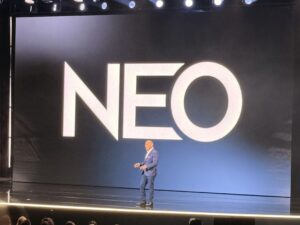
At Warner Bros. Discovery’s upfront presentation in New York City on Wednesday, Ad Sales co-presidents Ryan Gould and Bobby Voltaggio announced the launch of not one but two ad solutions: NEO and DemoDirect.
For CTV advertisers, Warner Bros. Discovery’s first earnings report of the 2025 fiscal year was a bit of a mixed bag.
WPP’s GroupM is getting a new name; there’s no such thing as a TikTok ban at NewFronts; and Meta’s ad growth prospects might be plateauing.
FreeWheel thinks the best way to simplify streaming video is by fostering more direct connections between buyers and sellers.
Proof keeps piling up that gen AI makes marketing creatives lazy; Google stops serving ads to parked domains, prompting questions as to why those domains were ever monetized; and a resurgent David’s Bridal thinks it can reach profitability this year.
Warner Bros. Discovery officially launched OpenPath last week, with the goal of driving demand for its news sites’ display inventory. But for now, CTV is not part of the integration.
To zero in on premium inventory, The Trade Desk is analyzing metadata signals about ad placements and pushing adoption of its alternative ID. It’s also betting the farm on CTV.
TV programmers and streamers are sharing their financial report cards for last quarter – and the results are quite a mixed bag.
Warner Bros. Discovery’s overall ad revenue dropped 7% last year. Its survival depends on its streaming service, Max, its lifeline in the intensifying streaming wars.
The US v. Google antitrust trial is over, but nobody’s done with the drama. Plus, Charter just struck a deal with NBCUniversal.
Why streaming TV might adopt the cloud-usage model for content; MAGNA projects strongest ad market in two decades; and “go woke, go broke” gets proven wrong, again.
In today’s newsletter: Amazon stands out among Upfronts CTV rookies; Google reveals how much revenue its ad tech divisions make; and women hold more marketing leadership positions than men, but churn is worse for women.
In today’s newsletter: US rules Google has a monopoly in search, but not search ads; Nvidia’s unreleased AI has been scraping online video from YouTube, Netflix and others; and streaming app Max debuts a new personalized home page.
In today’s newsletter: SSPs lead the way on ad tech’s M&A resurgence; Disney rolls back CPMs to court more streaming ad demand; and why dating apps struggle to grow and monetize their audiences.
Since launch, 82% of advertisers that buy inventory through the Yahoo DSP have tried Backstage at least once. And buyers are seeing lower CPMs from cutting out SSPs.
Warner Bros. Discovery had the most to prove during this week’s upfronts. So, the company used its upfront stage on Wednesday to showcase a new suite of ad products.
In today’s newsletter: Google’s generative search experience launches in the US; kid-focused brands worry Instagram is serving their ads to predators; Fox hypes clean rooms and shoppable TV at the upfronts.