
The ‘C’ In CTV Is For Cart; Held To Account
Samsung teases a shoppable TV integration with Amazon; hackers target AI search users for marketing account takeovers; and new research shows young news audiences are “social-first.”
Samsung teases a shoppable TV integration with Amazon; hackers target AI search users for marketing account takeovers; and new research shows young news audiences are “social-first.”
Jeff Green doubles down on OpenPath’s value; Amazon wants Perplexity to disable agentic shopping; and the creator economy takes on political fundraising.

Fees, fees, fees. The Trade Desk is facing market pressure in all directions: from rival DSPs offering lower fee structures, SSPs and agencies clashing over its OpenPath product and bearish investors disappointed with growth. Guest Sarah Caputo, founder of consultancy Fraction Method, tells us why The Trade Desk should reduce its margin and make its fees more transparent.

Netflix unveils a conversion API; some publishers are using AI tools to expand their footprints; and CFOs are getting more involved in marketing decisions.

The divergence between the DSPs reveals shifting buy-side priorities. Advertisers have grown wary of how The Trade Desk earns margin, where its algorithm steers inventory and how these strategies compete with buyer goals.

The Trade Desk is cutting its workforce. A company spokesperson confirmed the news with AdExchanger. The layoffs affect less than 1% of the company.

On Google and Meta platforms, AI search becomes the default; TTD might cut its costs; and apparently, toddlers like AI slop on YouTube.

Spencer has exited The Trade Desk after 12 years, marking another major leadership change amid friction with ad tech trade groups and intensifying competition across the DSP landscape.
Inside Omnicom’s shift in spend from The Trade Desk DSP to Amazon DSP.

Two sources at ad tech platforms that observe programmatic bidding patterns said they’ve seen Omnicom agencies shifting spend from The Trade Desk to Amazon DSP in Q3. The Trade Desk denies any such shift.
“We just constantly hear how complex it is right now,” Kelly MacLean, Amazon Ads VP of engineering, science and product, tells AdExchanger. “So that’s really where we we’ve anchored a lot on hearing their feedback, [and] figuring out how we can drive even more simplicity.”
On Monday, Amazon announced the launch of location-based interactive video ad units on Prime Video, which will allow small and local businesses to reach their target customer in specific geographic areas.

The Trade Desk posted solid Q3 results on Thursday, with $739 million in revenue, up 18% year over year. But the main narrative for TTD this year is less about the numbers and more about optics and competitive dynamics.

The Trade Desk is going after Amazon; Facebook creators are going after Meta; and everybody’s going after Warner Bros. Discovery.

A new integration between Amazon and Clinch allows advertisers to access Amazon custom audiences via a third-party platform.

Judge Leonie Brinkema is ready to be done with the DOJ v. Google saga; Amazon DSP comes out on top; and Mozilla brings programmatic ads to to the Firefox browser.

On Tuesday, Amazon DSP announced an expanded integration with satellite radio company SiriusXM.

Morgan Stanley downgrades The Trade Desk; Warner Bros. Discovery and Nielsen announce a new deal; and brands aren’t sold on virtual influencers.
SSPs aren’t thrilled by TTD characterizing them as “resellers”; Amazon DSP just announced a new partnership to sell Netflix inventory; and pharma brands will be subject to stricter regulations, per the FDA.

GAM’s dinner with ad agencies sparked speculation that Google is preparing to spin off its bundled SSP and ad server as a remedy to its ad tech monopoly. But Google says it’s just part of the trend of SSPs going direct to buyers.
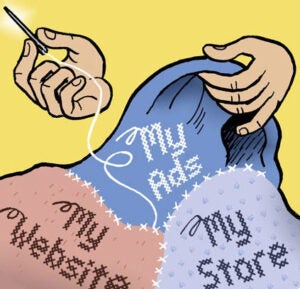
CAPI integrations have moved from a nice-to-have to a necessity for anyone operating within walled garden environments. Now they’re laying the groundwork for an outcomes-driven ad ecosystem.

Roqad is buying Zeotap’s third-party data biz to boost its identity resolution capabilities, but also for access to key integrations with major ad platforms.

The competitive set has shifted and it’s stacked against independent DSPs. But, instead of chasing what competitors already own, TTD can own what they can’t: trust.
The Trade Desk has won the battle for supremacy on the open internet, says Needham & Company’s Laura Martin. But it might just be losing the war for the future of the web to walled gardens and AI search.

Hearst has seen improvements in addressability between 30% and 200% since introducing AURA, its AI-powered ad targeting solution, last year.
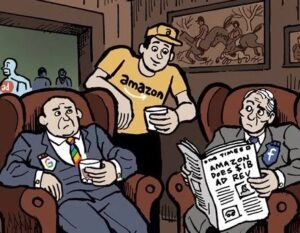
The Amazon DSP vs. The Trade Desk rumor mill; How SharkNinja has stayed sharp; Why nothing beats organic.
If you felt a strange gust around 5 p.m. ET on Thursday, it was probably just the cumulative sighs of relief across Wall Street as The Trade Desk shook off its Q4 blues with a better-than-expected first quarter earnings report.
It’s knives out for The Trade Desk’s take rate as competitors slash the demand side’s margin and pile on the incumbent during a moment of rare vulnerability.

Industry experts agree that the bot activity analyzed in the latest Adalytics report is among the easiest type of invalid traffic to spot.

An Adalytics report released Friday details numerous instances of brands serving ads to known bots that appear on the IAB Tech Lab’s International Spiders and Bots list and TAG’s Data Center IP List.