
Ready To Stick With Google; Banking On High Earners
Pinterest’s CEO doesn’t want Google divested; most consumer spending comes from the rich; and the “Sephora kids” aren’t alright.

Pinterest’s CEO doesn’t want Google divested; most consumer spending comes from the rich; and the “Sephora kids” aren’t alright.

Another day, another Google lawsuit; AI can’t be held accountable for its crimes; and the US and China have (maybe) reached a TikTok deal.

The FTC probes Google and Amazon over transparency in their search businesses; Walmart will only allow authorized sellers; and Perplexity’s ad business garners criticism.
Criteo announced a partnership with Google Search Ads 360 (SA360), Google’s enterprise search advertising platform, making Criteo the first third-party vendor to integrate with Google for on-site retail media supply.

Judge Mehta defends his light touch in addressing Google’s search monopoly; the de minimis exemption for imports is over, and it could ding Q4 ad spend; and a whistleblower says Meta ignored WhatsApp’s privacy lapses.

On Monday, PubMatic became the second sell-side platform to file a follow-on antitrust lawsuit against Google.

Late Friday evening, Google filed its proposed remedies to its ad tech monopoly to District Court Judge Leonie Brinkema, and unsurprisingly, they’re rather mild – and very different from what the Department of Justice is looking for.
Google can’t stop catching fines in Europe; Roblox game developers might finally get a cut of a revenue; and eBay is getting into the AI game.

Google is running a search monopoly, but the remedies are light. How will this decision affect advertisers and competitors? Plus, Google Ad Manager is acting like a standalone SSP, a move that appears connected to the looming remedies phase of Google’s second antitrust case.
Remedies in the federal search antitrust case against Google landed with a thud earlier this week. Most publishers and ad industry pundits were sorely disappointed.

Google’s penalties were pretty lenient; brand crossovers may have gone too far; and why so many ad tech leaders are founding startups.
CAPI integrations have moved from a nice-to-have to a necessity for anyone operating within walled garden environments. Now they’re laying the groundwork for an outcomes-driven ad ecosystem.

Google’s search antitrust trial ends with a whimper; the pitfalls of agency-owned SSPs; Perplexity axes its ads business; and brands are still building big-ticket metaverse experiences.
Google’s SSP tries to cut out its DSP ahead of a possible ad tech breakup; Perplexity’s head of ads skips town; and Amazon’s search ad pause flooded the market with big spenders.
Amazon gets a taste of its own AI medicine; LinkedIn continues its pivot to video; and YouTube and Fox are on a fight.
We’ve got the witness list for the remedy phase of the Google antitrust trial, which starts in September. How might Google be forced to change its ad server and exchange to make this corner of the ad tech market competitive again?
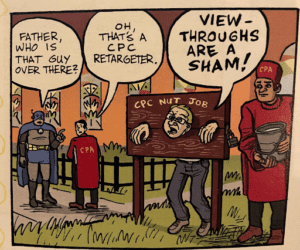
Walmart’s CTV and DSP business shine in a meh Q2; plummeting search traffic is blowing up cost-per-click pricing; and TikTok annoys brands with its black box optimization.
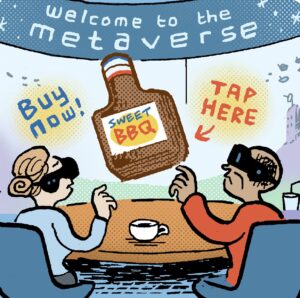
Former Meta employee files a complaint regarding the company’s illegal business practices; virtual AI salespeople are hosting 24/7 livestreams; and Google SPN advertisers will now receive a list of URLs where their ads appeared.
IAB Tech Lab CEO Anthony Katsur didn’t mince his words when declaring unauthorized generative AI scraping of publisher content “theft, full stop.”

The competitive set has shifted and it’s stacked against independent DSPs. But, instead of chasing what competitors already own, TTD can own what they can’t: trust.

Human-made content will remain the most important source of information for consumers online. And our appreciation for human expression will only grow as we experience derivative outputs created by AI models.
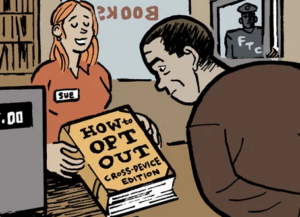
Data brokers de-index their opt-outs; Meta is still the go-to for influencer ads; and Perplexity offers to buy Chrome.

Product review site HouseFresh bounced back from losing 91% of its Google traffic last year. Here’s how it’s pivoting in response to stiffer affiliate marketing competition and zero-click AI search.
The ad tech startup Vaudit, founded last year by Mike Hahn, aims to automate the process of campaign reconciliation atop major ad platforms.

OpenX filed a lawsuit against Google over its anticompetitive practices. And HyphaMetrics claimed victory against Nielsen in court over a patent lawsuit.

The SSP is betting on the DOJ’s antitrust remedies, plus closer relationships with agencies, DSPs and mid-sized advertisers, to help it eat some of Google’s lunch.
“I tried to write it so it’s not exclusively for ad tech nerds,” Ari Paparo told AdExchanger of his new book, about Google’s advertising dominance. “And I mean that affectionately.”

As the quality of answer engines improves, people will click through to publisher websites less often. The solution isn’t to wage war against AI. It’s time to build a sustainable future for all stakeholders.

While Reddit’s ad business is ascendent, it’s still working on a strategy for getting the most out of its generative AI deals.

X will begin scoring ads according to Elon Musk’s aesthetic preferences; what those Sydney Sweeney jeans ads say about how brands capture attention online; and a Google exploit lets sites be deleted from search results.