
They Look Like Ants From Up Here; Watch Out For Confused Creators
Apple abandoned its ad network; Did Cannes Lions abandon its creators?; and CMOs decide how much to abandon creative budgets.
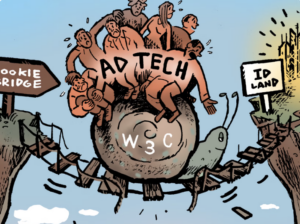
Apple abandoned its ad network; Did Cannes Lions abandon its creators?; and CMOs decide how much to abandon creative budgets.
Signal loss used to be something the industry managed around. Now, with AI in the mix, it’s becoming something you can actually monetize. AdExchanger Editorial Director Sarah Sluis sits down with Fabrice Beer-Gabel, SVP of Strategy and Partnerships at Intent IQ, to unpack how publishers and advertisers are flipping the script on identity-less environments — […]

Authenticity. Outcomes. Workflow… and containerization? After a week sweating on the Croisette, the AdExchanger team offers you a sweat-free synopsis of the 2026 Cannes Lions.
As much as consumers complain about AI-generated content, advertising experts say AI still has an important place in video creation and production, including for ads. But using AI in content without turning off consumers is a tricky dance.
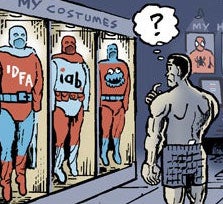
Since Publicis Groupe is acquiring LiveRamp, many brands will likely find themselves in the market for a new independent vendor for audience and identity data. Plus: FIFA’s controversial ad-filled hydration breaks twice per every World Cup game.

Smart TVs, refrigerators and other home appliances may pester you with marketing, but at least the hardware is cheap. Another startup taking a different approach to the same theory is Tovala, which was founded in 2015 and combines a standalone countertop oven with a weekly meal kit subscription.
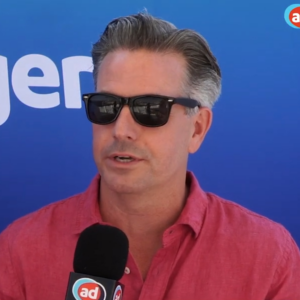
Everyone at Cannes is talking about AI — but CivicScience CEO and founder John Dick says the industry is missing its most important stakeholder: the consumer. Drawing on survey data, Dick argues AI may be among the most unpopular technologies ever introduced to the public, with the average person “somewhere between skeptical and terrified.” While […]

You know what’s cheaper than large language models? Small language models, which are designed for specialized tasks and can reduce latency.

Audio advertising has a scale problem. While Spotify, Pandora and iHeartMedia dominate industry attention, roughly half of the ad-supported audio market sits outside those platforms. Hundreds of streaming audio publishers, podcast creators and niche content providers are competing for advertising dollars without the sales teams, audience data or measurement capabilities needed to consistently attract large […]
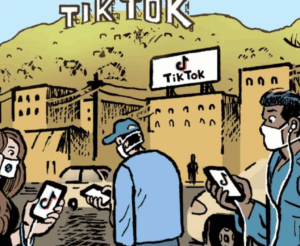
The Tech Revolution Will Be Televised Every business considers itself a tech company these days. Remember Allbirds sneakers pivoting to AI? In the entertainment industry, the line between tech and media is growing especially murky. Legacy entertainment studios own streaming platforms, and tech companies produce their own films and shows. Unfortunately, a showdown between Hollywood […]
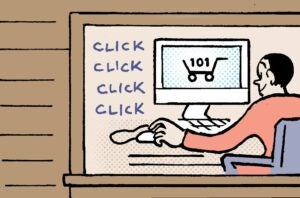
Shopify is slowly but surely making its way into the ads business. But the ecommerce leader maintains its laissez-faire approach to ad monetization.

Not unlike gaming, audio commands time and attention, but the ad dollars haven’t caught up. It’s a head-scratcher, says Spotify’s Per Sandell.

Netflix touts sharper targeting, but buyers say its black-box approach – especially the lack of usable IP data – is blunting measurement and quietly pushing performance-driven spend elsewhere.

The media brands that remain locked in the traditional marketing funnel are the ones AI content farms will maul first. But if they create a trust-driven marketing flywheel, publishers can keep their businesses alive.
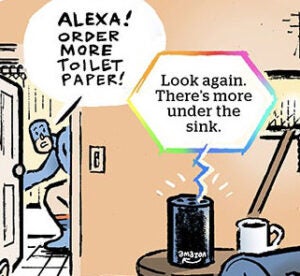
Amazon’s Alexa gets voice-activated shopping assistant ads; AI-affiliated Super PACs are the big spenders this midterms; and P&G throws cold water on the agency “one-stop shop” model.
Walmart will buy Vibe.co, a self-serve video ad platform, in hopes of attracting more small and medium-sized advertisers to connected TV.

Healthcare marketers have never had more data, channels or targeting capabilities at their disposal. Yet many organizations still struggle to answer a fundamental question: what actually drove performance across a campaign?
Concord, an agentic media execution platform, announced $3 million in seed funding. But it’s not going the fully agentic route.

Cleo Davis-Urman, CEO and co-founder of wearable vitamin brand Barrière, talks word-of-mouth, measurement, retail media and what it takes to build a new category around patches instead of pills.
Bonjour, ChatGPT ads. OpenAI’s inaugural Cannes Lions appearance doubled as a coming‑out party for its baby ad business.

Everyone’s investing in AppsFlyer; NBCU launches Rock Studios, a creative studio for brand integrations; and Meta wants to hop on the TV bandwagon.
DSP-only buying puts brands at risk of missing most of the TV marketplace. Tatari’s CRO, Andy Schonfeld, explains why that strategy is wrong.

Gila Wilensky discusses her new role overseeing Monks’ media and data practice, and what it really means to be an “AI first” company.

Amazon is making a splash at Cannes by touting recent Fire TV interface upgrades designed to help viewers find relevant content more easily, including when they are watching the 2026 FIFA World Cup.

For the first time, Omnicom can directly compare ad frequency and performance across multiple major streamers, which typically prefer to keep data locked inside their walled gardens.

The future of TV isn’t traditional vs. CTV. Rather, it’s a partnership of two sides. Fox and Roku represent this convergence.
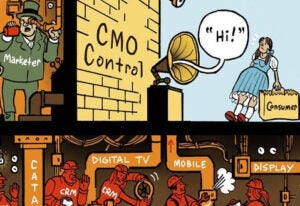
There’s a new type of DSP with a shiny new acronym; AI search optimization is a tricky game; and M&Ms struggle to switch to natural coloring.

AdExchanger will be in Cannes for a week of executive conversations, industry insight and on-the-ground coverage from the heart of the global advertising community in partnership with Equativ. Check us out! ☕ 🛥️ 🎙️ 😎
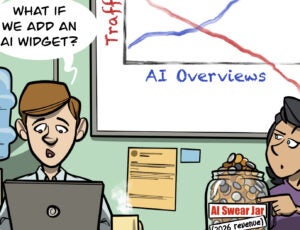
Remember last month when James Murdoch’s Lupa Systems acquired roughly half of Vox Media, specifically New York Magazine, Vox and its podcast network? Well, the other shoe – err, sale – has dropped.

The Trade Desk is muscling its way into the TV operating system business with its Ventura OS – but the real story isn’t the product itself. It’s what TTD’s ambitions reveal about conflicts of interest within the industry and the inherent mismatch between consumer and advertiser needs.