
Ad-mazon Does It Again; AI-Funded PACs Dominate Midterm Ad Spend
Amazon’s Alexa gets voice-activated shopping assistant ads; AI-affiliated Super PACs are the big spenders this midterms; and P&G throws cold water on the agency “one-stop shop” model.
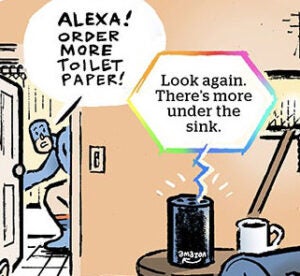
Amazon’s Alexa gets voice-activated shopping assistant ads; AI-affiliated Super PACs are the big spenders this midterms; and P&G throws cold water on the agency “one-stop shop” model.
Walmart will buy Vibe.co, a self-serve video ad platform, in hopes of attracting more small and medium-sized advertisers to connected TV.

Healthcare marketers have never had more data, channels or targeting capabilities at their disposal. Yet many organizations still struggle to answer a fundamental question: what actually drove performance across a campaign?
Concord, an agentic media execution platform, announced $3 million in seed funding. But it’s not going the fully agentic route.

Cleo Davis-Urman, CEO and co-founder of wearable vitamin brand Barrière, talks word-of-mouth, measurement, retail media and what it takes to build a new category around patches instead of pills.
Bonjour, ChatGPT ads. OpenAI’s inaugural Cannes Lions appearance doubled as a coming‑out party for its baby ad business.

Everyone’s investing in AppsFlyer; NBCU launches Rock Studios, a creative studio for brand integrations; and Meta wants to hop on the TV bandwagon.
DSP-only buying puts brands at risk of missing most of the TV marketplace. Tatari’s CRO, Andy Schonfeld, explains why that strategy is wrong.

Gila Wilensky discusses her new role overseeing Monks’ media and data practice, and what it really means to be an “AI first” company.

Amazon is making a splash at Cannes by touting recent Fire TV interface upgrades designed to help viewers find relevant content more easily, including when they are watching the 2026 FIFA World Cup.

For the first time, Omnicom can directly compare ad frequency and performance across multiple major streamers, which typically prefer to keep data locked inside their walled gardens.

The future of TV isn’t traditional vs. CTV. Rather, it’s a partnership of two sides. Fox and Roku represent this convergence.
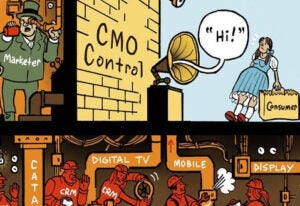
There’s a new type of DSP with a shiny new acronym; AI search optimization is a tricky game; and M&Ms struggle to switch to natural coloring.

AdExchanger will be in Cannes for a week of executive conversations, industry insight and on-the-ground coverage from the heart of the global advertising community in partnership with Equativ. Check us out! ☕ 🛥️ 🎙️ 😎
Remember last month when James Murdoch’s Lupa Systems acquired roughly half of Vox Media, specifically New York Magazine, Vox and its podcast network? Well, the other shoe – err, sale – has dropped.

The Trade Desk is muscling its way into the TV operating system business with its Ventura OS – but the real story isn’t the product itself. It’s what TTD’s ambitions reveal about conflicts of interest within the industry and the inherent mismatch between consumer and advertiser needs.

The broadcast and streaming worlds are being pulled together by a wave of major M&A, from Fox’s $22 billion acquisition of Roku to Paramount’s merger with Warner Bros. Discovery. TV Land, naturally, is watching closely.

Ask Ad Manger offers instant troubleshooting help when a campaign isn’t delivering as expected, ideally by diagnosing the problem and suggesting how to fix it.
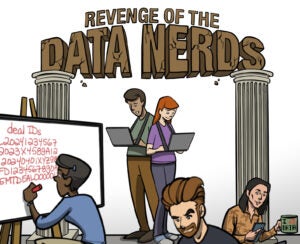
Every time an ID hops from platform to platform, it gets less accurate – and in programmatic, there are a heck of a lot of hops.
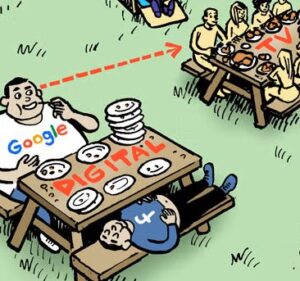
Where will OpenAI put its ads?; YouTube may or may not be considered TV; and Uber and Lyft deals really are too good to be true.
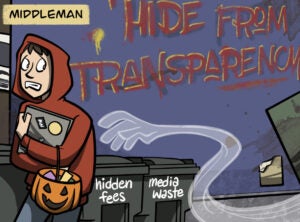
Programmatic buying is only getting more (and more and more) automated and agentic. But more accountable? That’s a different story.
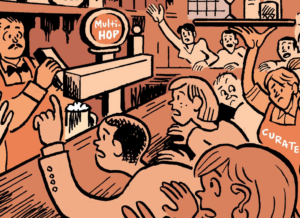
Goodway Group has reduced the number of SSPs it works with from about 20 at the end of 2024 to just single digits today.
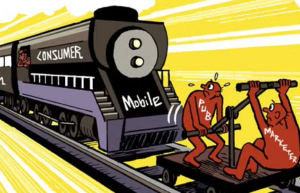
CloudX, which makes AI infrastructure for app publishers, is expanding from monetization to agentic buying for user acquisition.

Pixability’s new MCP-enabled agent integrates Pixability’s proprietary YouTube intelligence and data into client platforms.

The Trade Desk expanded its relationships with a host of travel, hospitality and mobility-focused commerce media partners, including Uber Advertising, Booking.com, United Airline’s Kinective Media and MARRIOTT MEDIA.

I’ve always loved sci-fi movies and the way they portray futuristic worlds shaped by advanced technological innovation. One of my favorite movies is the ’80s classic “The Terminator.” And the more I hear about “agentic AI” in ad tech, the more I think the film is a perfect analogy for what’s happening right now.
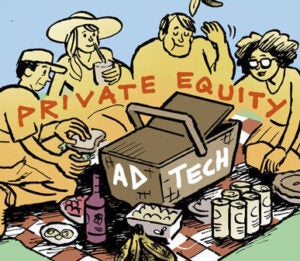
Some DOJ staffers wanted to challenge the Paramount/WBD merger on antitrust grounds; ad tech M&A is poised to pick up; and social media marketers want to normalize controversial clipping.

Knotch’s latest AI infrastructure sits on a brand’s existing tech stack to provide a more personalized experience for its customers.

Hyundai was the pilot advertiser between Chalice and OpenX of the SSP’s container product, called OpenXBuild, that launched this year.

Papa Johns tapped NBCUniversal, Instacart and the dentsu-owned media agency Carat for help reaching consumers when they’re low on groceries – and thus more likely to be swayed by a mouth-watering ad.