
Anyword Wants To Be The AI Marketing Tool In Charge Of All Other AI Marketing Tools
These days it seems like there’s an AI tool for everything. Now there’s even an AI tool to manage your AI tools.

These days it seems like there’s an AI tool for everything. Now there’s even an AI tool to manage your AI tools.

In the past year, Baby product and mattress brand Newton Baby has put all its media channels through a new testing regime for incrementality. It was a revelatory experience.

The growth of Walmart’s ads business and third-party marketplace are separate, it says. Plus, Google and Meta’ve been targeting teens for a while.
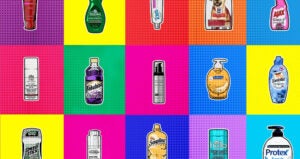
Colgate-Palmolive redesigned all of its consumer-facing sites and apps to make it easier to collect opted-in first-party user data.

Admiral, a startup that first got its start with ad block recovery tools, announced the close of a $19 million growth equity and debt funding round on Wednesday.

The only way forward for the industry is to put consumer choice first. That means putting the cookie behind us and rebuilding our relationship with consumers.

In today’s newsletter: Digital twins are marketers’ cool new AI tool; Netflix pulls a Prime Video and defaults lapsed subscribers to the ad-supported tier; and California compromises with Big Tech on two journalism bills.

Netflix netted a 150% increase in ad sales during upfront negotiations this year compared to last year – a good sign for its programmatic ambitions.

Serial ad tech entrepreneur Kamakshi Sivaramakrishnan founded two startups roughly a decade apart, both for a similar reason: making data available across the enterprise in a way that’s also respectful of the consumer.

Adelaide used this latest cash injection to boost its valuation to $60 million ahead of an all-stock acquisition of Rita, an Amsterdam-based data marketplace with a focus on the EU.

Publishers are in the business of selling their readers’ attention to advertisers. But in response to consumer preferences and regulatory pressure, publishers should reposition themselves as champions of data dignity.

In today’s newsletter: Google gets hit with another glitch; influencers fight gen AI provisions in their advertising contracts; and political fundraising pivots as social media bars campaign ads.

Until last year, video was a largely untapped revenue opportunity for Advance Local, a media group that operates local news sites. And then 2023 happened.

History can be a burden for a brand, if it means that company is too set in its ways to pivot and try new things. Just consider e.l.f. Cosmetics, the digitial-first, social-native brand that made good.

Instead of erasing the idea of brand safety, we should be developing smarter, more nuanced solutions that protect both news publishers and advertisers.

Since introducing ads two years ago, Netflix’s ad team has clashed with streaming management and studio execs. Plus, “brat” summer is over; “demure” autumn might be next.

Sensodyne wanted to do more than just get a sense of whether people were paying attention to its TV ads – it also wanted to optimize for attention.

Social commerce is already huge in the Asia-Pacific market, and it’s poised to blow up worldwide. Here’s how the success of TikTok Shop forecasts the future development trends of ecommerce and social commerce in the US.

Enjoy this weekly comic strip from AdExchanger.com that highlights the digital advertising ecosystem …

In today’s newsletter: Walmart’s hottest growth drivers are ads and subscriptions; why The Trade Desk’s UID 2.0 could be regulators’ next target; and how the growth of CTV content fortresses is preventing breakout streaming hits.

Inside Publicis’ play to be both an agency and an ad tech company. Plus: the dissolution of GARM and what it means for the future of brand safety.

Digital-native brands need to figure out how to win in retail shelves. They’re finding it difficult, to say the least.

Attention metrics can end the false dichotomy between “performance vs. branding” by ensuring that ad campaigns satisfy performance and branding goals in ways that are mutually reinforcing.

That sound you hear? Alarm bells ringing in Google’s offices. Plus, women’s sports has been an unexpected accelerant for ad sales.

Meta is working on AI-powered optimization updates to its ads system so advertisers can customize business objectives, measure incrementality and have direct integrations with third-party analytics tools.

A group of 20 web app developers sent a letter to the CMA claiming the regulator’s proposed remedies for increasing competition among mobile browsers do not address barriers to entry for mobile web extensions on iOS and Android.

The partnership makes MFA-blocking tools more accessible to mid-size buyers. Plus, AdLib can block MFA regardless of whether a DSP is willing to proactively filter it.

Angela Zepeda is the former CMO of Hyundai Motor America – but not because she’s leaving the brand. She’s Hyundai’s newly-minted chief creative officer. Hyundai recently restructured its marketing department to split the CMO role into two jobs: creative and performance.

With a landmark ruling potentially forcing Google to change its business practices, who is actually likely to steal some of its search market share? And what should marketers do about it?

In today’s newsletter: How membership bundles are creating new forms of consumer-facing partnerships; typically unflappable platforms leap to action when billionaires are harmed by bad ads; and X’s GARM lawsuit helped politicize brand safety.