
Trade Desk CEO Jeff Green On Growth, Google And Why He Bought Sincera
Jeff Green, CEO of The Trade Desk, calls it like he sees it. And he doesn’t see a future for Google monetizing the open internet via its SSP and ad server business.

Jeff Green, CEO of The Trade Desk, calls it like he sees it. And he doesn’t see a future for Google monetizing the open internet via its SSP and ad server business.

DSPs have been slow to adopt the Tech Lab’s new signal for classifying online video, causing confusion about which placement signal should be prioritized.
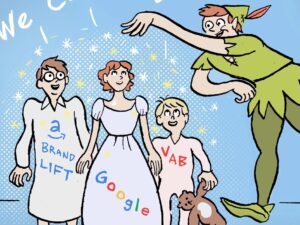
Things aren’t going well for Hollywood. Plus, Nielsen is finally ripping off the Band-Aid.

Sen. Ron Wyden shared his stance on a federal privacy law, consumer data brokers and, for good measure, his thoughts on Meta CEO Mark Zuckerberg cozying up to President Trump. (“I thought it was god awful,” he said.)

Some buyers are vocalizing their frustrations that the lack of transparency in CTV ad buying could impact the channel’s growth trajectory.
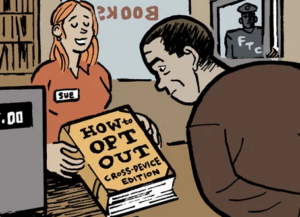
To commemorate Data Privacy Day on Jan. 28, my gift to you is an update on something I think is about to get a lot more attention: universal opt-out mechanisms.

Agents are autonomous and thoughtful, incredibly fast and knowledgeable. They won’t replace star performers, but they will supercharge your team’s delivery.

At long last, brands on Threads can buy ads. Plus, Meta is also trying to copy-and-paste an alternative to CapCut.

For many advertisers and agencies, returning to TikTok this week felt a bit like remote working through a natural disaster: Business as usual, except not really.
In light of T-Mobile’s plans to buy Vistar Media, Atmosphere TV’s business model shines a brighter spotlight on the grey area between connected TV and DOOH billboards.

The first half of this decade has left publishers reeling from a pandemic jab and an AI uppercut that rearranged our reality and knocked us to our knees. Here’s how pubs and their ad tech partners can punch back in the years ahead.
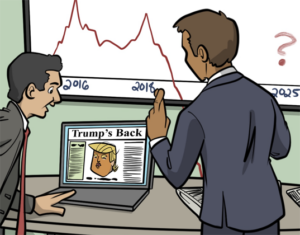
Enjoy this weekly comic strip from AdExchanger.com that highlights the digital advertising ecosystem …
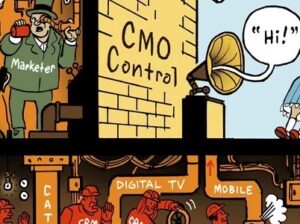
Kimberly-Clark didn’t hire a new CMO, and it doesn’t intend to. Plus, now airport bookstores are also ad networks.

Lauren Newman, a news publishing and affiliate marketing vet, has high hopes for commerce media to turn things around.

TikTok was granted a 75-day stay of execution this week. We discuss what’s next for the social media platform, why it was classified as a threat to national security and how advertisers are responding.

Brick-and-mortar retail is blowing it – and their efforts were on full display at the NRF’s Big Show in New York City last week.
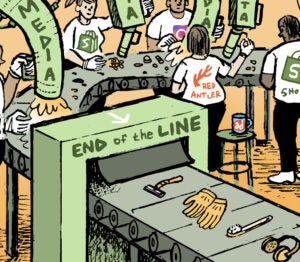
P&G pumps the brakes on paid media and turns to product innovation to drive growth; with TikTok’s fate unclear, Snap and Reddit offer credits for new advertisers; and brands are following news audiences and journalists to Substack.

Nielsen earns MRC accreditation for its Big Data + Panel measurement solution, which includes its legacy panels and bigger data sets.

What do toasters have in common with transparency and online advertising standards? Quite a lot, actually, says Ben Hovaness, chief media officer at OMD Worldwide. No, really.

The existing CPM model is broken. In what other industry would we accept paying full price for a product that delivers less than half of what was promised, asks Raphael Rivilla, chief media officer at Marcus Thomas.

Google asserts its position in the CTV ad ecosystem. Also: a change to its search ads biz may be inflating advertising costs for charities.
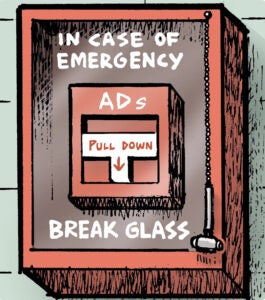
Netflix’s overall revenue grew 16% to $10.2 billion last year thanks to subscriber and ad revenue growth, with operating margins up 27%.

Attention, data brokers: If you operated in California last year, you need to register with the California Privacy Protection Agency (CPPA) by the end of this month.

A new storyline is emerging around curation, one in which publishers feel they’ve lost out to middlemen on yet another opportunity to monetize their audiences.
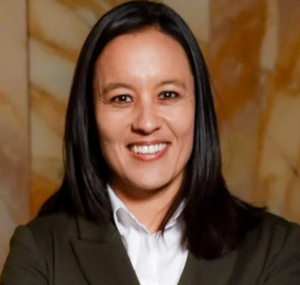
Under the guise of preventing “censorship,” Jim Jordan and the FCC’s Brendan Carr are attacking the First Amendment rights of private companies to choose what kinds of political content they support.
Retail media might not ruin retail, but the strikes are adding up. Plus, TikTok throws its support behind Trump.
As a brand, the social media platform TikTok has only existed for about seven or eight years. Yet during that short time, it’s completely taken over the minds of users, business owners, advertisers, and, most notably, elected officials. And now, despite generating billions of dollars in annual revenue, it might be on its way out.

Digital advertising’s potency has always come down to knowing what the audience is searching for and the sites they’re visiting online. But what if your audience isn’t looking at search results anymore? What if they’re seeking recommendations from ChatGPT instead?

Enjoy this weekly comic strip from AdExchanger.com that highlights the digital advertising ecosystem …
AI-generated slop content is growing exponentially online. Plus, publishers and new organizations are strategizing for a post-TikTok future.