
Just Browsing
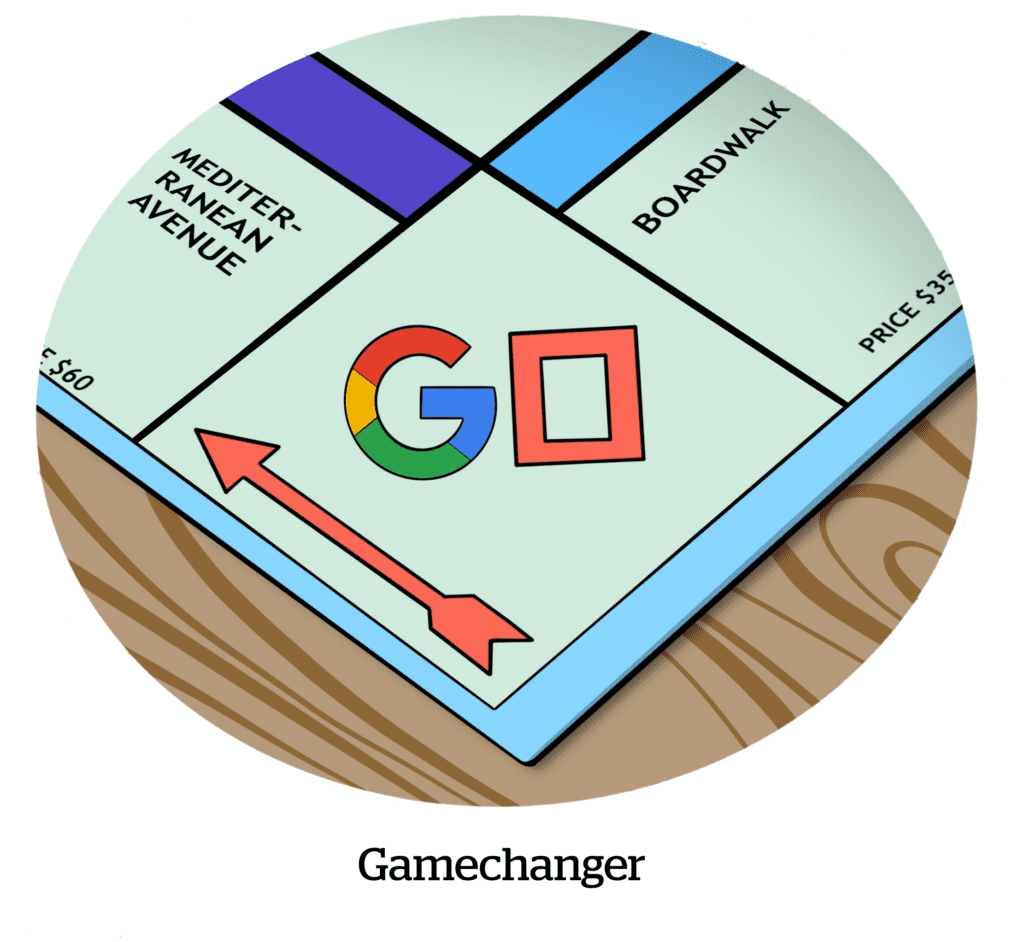
The Justice Department will ask Judge Amit Mehta, who ruled in August that Google operates a search monopoly, to require Google to sell Chrome, Bloomberg reports.
This news should be taken with many grains of salt, however. For one, Judge Mehta doesn’t necessarily share the belief. And it may just be an overly optimistic first bid in a negotiation, with the idea being to start big and retreat from there.
In fact, Bloomberg notes that the demand of a Chrome divestiture is actually the DOJ’s conciliatory option. The other idea was to require Google to cut Android loose.

It’s worth pointing out that there will be different people in many of the top jobs at the DOJ by the time Judge Mehta convenes Google and the government for hearings on potential remedies next April. He probably won’t release his decision until August 2025.
But let’s say Chrome is forced to spin. How much would it cost, and where would it land?
Bloomberg analysts expect it could sell for as much as $20 billion – and not just anyone can afford that price tag and also get regulatory approval to be the acquirer. Obviously the buyer can’t be Microsoft or Apple or Amazon – or Meta, for that matter. It can’t be Tencent, because China. OpenAI could raise the money, but come on.
Does a majority of the global browser market somehow end up served to Salesforce or Walmart on a silver platter? Weird world.
Curation By Any Other Name
Curation has long been prevalent on the buy side. But this year, sell-side curation by SSPs and DMPs went mainstream. Now, the industry is asking the IAB Tech Lab to roll out curation standards.
Well, good thing the Tech Lab has had a curation framework in place for years, CEO Tony Katsur writes on LinkedIn. Too bad buyers haven’t adopted it.
The Tech Lab’s curation framework consists of four products.
The Seller Defined Audiences (SDA) spec lets publishers package inventory using their first-party data and offers a programmatic signal buyers can use to find this inventory in open auctions. But SDA has failed to catch on, leading Katsur to suggest – not jokingly, he adds – that the Tech Lab should spur adoption by renaming it “Curated Audiences.”
The Tech Lab also released content and audience taxonomies to provide a unified method for classifying media into SDAs. Its Data Transparency Standard provides a method for disclosing what publisher data was used to create SDAs. And SupplyChain object, meanwhile, can help buyers discern the original seller of a curated inventory pool while bypassing intermediaries.
But, although Katsur finds the curation craze maddening, its proponents, like publisher consultant Scott Messer, say curating inventory into a deal ID is easier and more transparent than using the Tech Lab’s disparate tools.
So let the curation debate rage on!
Putting The ‘Site’ In Parasite
Google is finally making good on its promise to crack down on parasite SEO content, The Verge reports.
More specifically, Google announced that it’s updated the language of its site reputation abuse policy, which it now officially defines as “the practice of publishing third-party pages on a site in an attempt to abuse search rankings by taking advantage of the host site’s ranking signals.”
In other words, it’s now considered against Google’s policy for a website to publish content designed to game search results by piggybacking on its own brand authority. (As an example, think of the way Forbes has gone all in on affiliate marketing tactics that have nothing to do with its brand as a business publication.)
Speaking of which, according to Adweek, this policy shift has already negatively impacted the ecommerce arms of several publications, including not just Forbes Advisor but also CNN Underscored, Buy Side from WSJ, Fortune Recommends and Time Stamped.
Tellingly, all these sites are managed by third-party vendors, meaning publishers may have to move their affiliate marketing in-house if they want it to remain a viable business model.
But Wait, There’s More!
Apple is selling Apple News ads directly for the first time. [Axios]
The US Patent and Trademark Office has banned its staff from using generative AI. [Wired]
Instagram is now starting to let users reset their content recommendations. [Bloomberg]
Adlook and FreeWheel are collaborating to offer more CTV and online video inventory. [release]
Levanta, which helps Amazon sellers partner with creators, raises $20 million. [GeekWire]
You’re Hired!
Ruben Schreurs, Ebiquity’s chief strategy officer, has been promoted to CEO. [Digiday]
Valtech taps David DeCheser as global chief creative officer. [release]
Roblox hires former Roku exec Louqman Parampath as VP of product, advertising and commerce. [Reuters]
Making Science appoints Nick Waters as CEO for the UK, Northern and Central Europe, and Brad Beiter as SVP of customer management in the US. [release]
Independent media agency Wpromote brings on Andrea Bendzick as CEO. [Adweek]







