
iSpot Developed An Outcomes Tool For TV And Streaming With Help From Paramount
ISpot’s new solution, called Outcomes at Scale, aims to make outcomes-based attribution easier, faster and more automated across linear and CTV video advertising.

ISpot’s new solution, called Outcomes at Scale, aims to make outcomes-based attribution easier, faster and more automated across linear and CTV video advertising.
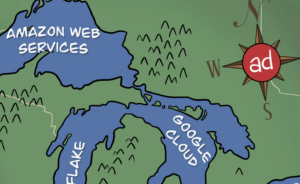
The biggest cloud tech companies, – namely AWS, Snowflake, Databricks and the Google Cloud Platform – are investing heavily in their own ad tech and marketing verticals. But, funnily enough, ad tech vendors themselves tend to avoid the big public clouds.

Wonder Group, a restaurant tech and meal delivery company, snapped up Blue Apron in 2023, Grubhub a year later, then Tastemade earlier this month. Tastemade brings new capabilities, says Wonder Chief Growth Officer Daniel Shlossman. But it’s an important step in the company’s plan to become a 360-degree advertising player.
Daily Mail’s ad-light subscription soars; YouTube Shorts takes another cue from TikTok; and MAGNA predicts an ad spend slump due to tariff-induced uncertainty.

The UK’s Information Commissioner’s Office has three strategic priorities in 2025, and, you guessed it, online tracking is one of them.

The next wave of the boom isn’t going to come from the same online corners as it has over the past five years.

It’s difficult for advertisers to enter into contracts with every company to which they disclose personal information. However, difficulty is no longer an acceptable excuse.

Meta introduces new ad placements, promo opportunities and AI prompts; an influencer campaign prompts right-wing influencers to oppose RFK Jr.’s soda crackdown; and transcription platform Otter launches an AI assistant.

Warner Bros. Discovery officially launched OpenPath last week, with the goal of driving demand for its news sites’ display inventory. But for now, CTV is not part of the integration.

As the newly appointed president of Horizon Media Holdings, Bob Lord is dubious that megamergers between holding companies are actually good for the client. “Bigger is not always better,” Lord says.

The need for addressability has been a rallying cry among advertisers for the past five years. But clinging to outdated notions of addressability means overlooking the broader needs of today’s modern media landscape.

Operating a genetic testing business is difficult. Plus, YouTube has become the biggest platform for podcast consumption.

JWP Connatix might not have a new name yet, but the company – formed through the merger of JW Player and Connatix in October – does have a new CEO
Why should establishing consumer trust be a differentiator – and wouldn’t it be great if that was just every company’s MO?

Many in the industry see Google’s fingerprinting reversal as an irresponsible move due to privacy concerns, particularly in regions with strict data regulations.
Could AppleTV+ be the next CTV platform to turn to ads in order to turn a profit? Plus, the bubble may have already burst on creators launching direct-to-consumer brands.

Alphonso shareholders won their lawsuit against LG Ads, clearing the way for an IPO. Then, as TikTok counts down the days until its stay of execution expires, Oracle might buy a minority stake.

Despite diverse hiring initiatives and programs to support women in the workplace, representation in ad tech is lacking. And given threats to women’s rights and the rollback of DEI efforts due to political pressure, the time to take action is now.
Enjoy this weekly comic strip from AdExchanger.com that highlights the digital advertising ecosystem …

Companies are now leaning toward slick, scripted video series ok TikTok. Plus, expect any future OpenAI ads to be less than traditional.
What’s next after launching a retail media network? Becoming a social ad network, apparently.

Why should browsers get to control publisher monetization? That’s the question the Tech Lab is aiming to answer with the release of an open-source framework for server-side ad management.

The process of setting up curated private marketplaces for bespoke audiences and vetting what inventory gets included can be incredibly time-consuming for agency teams.

Amid shifting habits in media consumption, live sports have demonstrated significant staying power. Over the past five years, the NFL has consistently claimed at least 70 of TV’s top 100 telecasts, and 2024 saw record-setting viewership for major sports events like the Olympics and MLB World Series.

The Trade Desk’s weak Q4 emboldened the company’s critics; DOGE’s cuts to federal agencies are hurting ad agencies; and President Trump fires the two remaining Democratic FTC commissioners.

It took two bitter lawsuits and the airing of a lot of dirty laundry, but LG Ads is finally on track to go public by the end of Q2.
Getting dozens of ad agency partners around the world to work together is like herding cats – but Colgate-Palmolive was able to do it.

Microsoft ad sales vet Rob Wilk joined Yahoo last year to lead revenue for the company’s advertising business with one main goal in mind: to evangelize Yahoo’s owned-and-operated properties. Most advertisers just aren’t aware of the inventory Yahoo has to offer – and that’s on Yahoo.
Oracle’s TikTok bid is a warmed-over Project Texas; Amazon’s ads biz has its sights set on Google; and gen AI search is a good traffic source for retailers, but bad for news pubs.

The Netflix Ad Suite, as the company is calling it, is set to launch April 1, the company’s new Advertising VP Nicolle Pangis disclosed during the Cynopsis and AdExchanger CTV Connect event in New York City last week.