
How Samsung Ads And Crumbl Got Their CTV Campaign To Perform Like Social
I’m pretty sure I’ve missed the window on becoming a Crumbl fan — but I can still appreciate the “pretty pictures of cookies” on their CTV ads.

I’m pretty sure I’ve missed the window on becoming a Crumbl fan — but I can still appreciate the “pretty pictures of cookies” on their CTV ads.

Now that we have not one but two reporters covering the CTV advertising space, we thought we’d try something different and share the roundup newsletter this week!

America’s Test Kitchen introduced direct and programmatic buying for its free ad-supported TV channels – marking the first time it’s selling ad inventory as a standalone package.

Netflix unveiled its own conversion API to help brands measure outcomes as CAPIs become increasingly popular in streaming advertising.

Late last week, Netflix walked away from plans to acquire Warner Bros., clearing the way for Paramount Skydance to scoop up the whole company with its hostile takeover bid.

Who says TV is the only media channel that could benefit from converged buying?

Putting aside Bad Bunny’s halftime show, AI companies stole the spotlight on Super Bowl Sunday, from Anthropic and OpenAI to Salesforce and Meta.

Now that the video ecosystem is converging, buying workflows need to match how consumers actually watch content, says Walton Isaacson’s Albert Thompson.

Returning to the news desk after a year away from CTV beat reporting is like discovering a time capsule with the industry’s core dilemmas. One thing that has changed, however, is the CTV industry’s infatuation with agentic AI.

Let’s close out the year with a roundup of the most impactful CTV stories of the year, from Netflix’s ad surge to Nielsen’s measurement missteps.

Is it too soon to start thinking about New Year’s resolutions? Because I’m setting a goal for myself to start talking to more media planners, agency executives and buy-side experts.
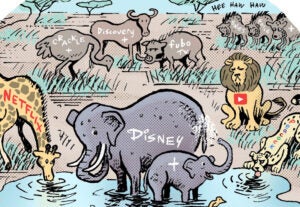
Is it just me, or do third-quarter earnings always seem especially strange?

Ignoring the fact that early pioneers in the space didn’t plan to have ads in the first place (looking at you, Netflix!), even with targeting and personalization, most major players are still thinking of national reach – not local reach – as their default.

High school sports are very different now than when I was a teenager. As is the case with basically all forms of modern entertainment, they’ve faced some disruption by the rise of streaming video – as well as the ads that often follow.
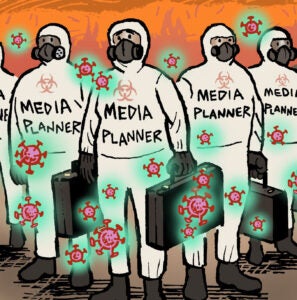
What does it feel like to be a media buyer and planner in 2025? That question launched a fascinating “Ask Me Anything”-style discussion at Cynopsis ScreenShift in New York City on Tuesday.
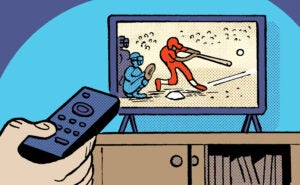
TiVo has officially halted the sale and manufacture of its once-revolutionary DVR products. Which raises the question: What does TiVo even do anymore, anyway?

If you didn’t happen to watch the main stage of AdExchanger’s Programmatic IO New York this week, then you missed a great (albeit way too brief) conversation about CTV’s programmatic progress.

Marketers are buying more CTV inventory programmatically than ever before. But what about linear inventory?

What will the ad tech industry look like five years from now? The audience at CIMM’s Summit earlier this week weighed in with their predictions.

On Tuesday, Magnite announced it had acquired Streamr.ai, which specializes in developing AI-generated assets for small businesses to use in their CTV campaigns.

To QR or not to QR, that is the question. But here’s a better one: Shouldn’t TV studios first guarantee that the products featured in made-for-TV shoppable moments are ones viewers actually want?

Back when the Pure app first launched in 2012, it was a completely anonymous hookup app. Now, it’s using CTV as a way to explain its rebranded vibe to prospective new users.

CTV advertising platforms often try to sell small businesses on how closely the channel resembles the digital marketing avenues they’re used to working with, like paid social. For Wildgrain, a DTC subscription service for artisan breads and other grain-based foods, this argument proved to be very compelling.

According to Adam Paul, executive director of media alliances at LiveRamp, the old-school programmatic ads – the ones bought across multiple platforms without regard to context or audience – are underperforming on CTV these days.

I didn’t attend WWE’s “Monday Night RAW” event in Brooklyn for love of wrestling. No, I was there to check out the ad content – to the point where I set up a brand-new ad-supported Netflix account from my phone to see where and when the ad breaks actually start.

My YouTube creator obsession has me fascinated by an ongoing trend I’ve noticed in the CTV industry: A lot of companies that produce free ad-supported channels rely on content that already exists on YouTube.

Into every generation, a universally hated children’s television character is born. This, of course, poses a unique problem in a world of smart TV operating systems and content recommendation engines.

Here’s what Head of Performance Media Josh Palau had to say about how Pfizer currently navigates the CTV landscape, including why having your own hands-on-keyboard experts is key and how new ad formats can be slow to accommodate pharmaceutical brands.

There’s something about travel commercials – especially ones produced by tourism boards – that always make me want to pack up and go to whatever fun new location they’re telling me about.

Advertisers love new ad formats, especially on connected TV. Just look at how many platforms announced their own during the IAB NewFronts and TV upfronts last month. But it’s possible to have too much of a good thing.