Yahoo Says Its AI Isn’t Bad For Publishers; Movie Clippers Go Viral For Ad Bucks
Yahoo is not like other companies promoting AI buzz; Elite “clippers” turn longform content into short, shareable clips; The Army prepares to reset ad business.
Yahoo is not like other companies promoting AI buzz; Elite “clippers” turn longform content into short, shareable clips; The Army prepares to reset ad business.

AI agents are moving fast, but MadConnect says ad tech’s slow, messy plumbing still needs an overhaul before agentic marketing can really work.

The divergence between the DSPs reveals shifting buy-side priorities. Advertisers have grown wary of how The Trade Desk earns margin, where its algorithm steers inventory and how these strategies compete with buyer goals.

The strategic value of commerce data continues to rise, as Infillion snaps up Catalina. Then, a court filing reveals where agencies spend clients’ money.

During Thursday’s earnings call, CEO Cindy Rose announced a new plan to reposition WPP as a single company, rather than an agency holdco.

What’s the deal with viral apps?; Dentsu and WPP are off of OpenPath; and AI coding has its downsides.

During his time as a New York financier, Jeffrey Epstein met and did business with dozens of other investors, entrepreneurs, tech founders and members of the elite. Which means it was inevitable that he would intersect with Ad Land at some point.
Omnicom just reported its first earnings since closing the IPG deal and, shocker, it’s saying AI is main growth driver for combined holdco.

AI in advertising has gone from a buzzword to a full disruptor in what feels like just a few months. If CES was any indication, there is no sign of this slowing down.

“Transitional.” “Developing.” “Work-in-progress.” Those are the best descriptions of the current state of TV and video convergence, according to the top leaders influencing the video advertising landscape.

It’s official: ChatGPT has launched ads and the test will expand in the coming weeks. But don’t ask the LLM for details, unless you’re looking for misinformation.

Evertune’s new feature allows advertisers to run programmatic ad campaigns directly on the sites and pages most often cited by AI chatbots.
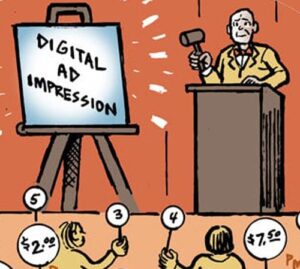
The MRC’s auction transparency standards aren’t intended to force every programmatic platform to use the same auction playbook – but platforms do have to adopt some controversial OpenRTB specs to get certified.

Q4 earnings reports are heating up; Private equity firms get squeamish; and AI data centers are harder to build than ever.
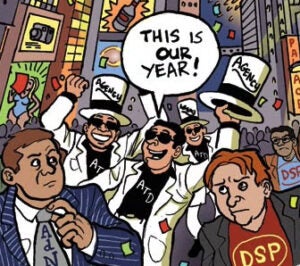
Retailers court luxury goods to compete with Amazon; indie agency Tombras acquires Opinionated; and talk of an AI bubble dominates discussion at Davos.

For the team at Monks, one of the biggest takeaways from CES this year is that AI’s place in marketing is starting to feel more practical than hypothetical.
Omnicom unveils the latest version of its ID and analytics tool; there’s a new Google Search update in town; and Omnicom Media addresses CTV ad frequency.

The founders of six AI startups offer insights on the founding journey and what problems their companies are solving.

Inside Coca-Cola’s pivot from TV advertising to influencer marketing; Netflix inks another exclusive video podcast deal with iHeartMedia; and Madison & Wall predicts slow US ad spend growth in 2026.
Agency buyers are facing a new wave of Google account hijackings that steal funds and lock out admins for weeks or even months.
Omnicom is making more cuts; investors aren’t interesting in publishing; and OpenAI is still on the fence about ads.

Differin, which produces over-the-counter gels and patches to treat acne, wanted to reach teens facing their first breakouts – and do it in a way that felt real.

Generative AI is the new ad land obsession: a shiny promise of a fully autonomous world of self-driving advertising. But behind the hype lies the costly delusion that automation can replace judgment and more content somehow means better marketing. We’ve entered the age of machine-made abundance, where content can be generated faster than it can […]
Inside Omnicom’s shift in spend from The Trade Desk DSP to Amazon DSP.

Two sources at ad tech platforms that observe programmatic bidding patterns said they’ve seen Omnicom agencies shifting spend from The Trade Desk to Amazon DSP in Q3. The Trade Desk denies any such shift.
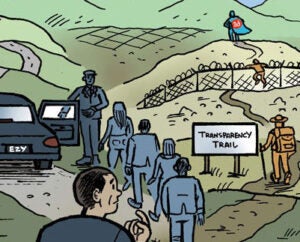
Omnicom revamps its revenue reporting; Amazon will now charge for access to its Selling Partner API; and brands seek sponsorship deals with all sorts of social creators.

A former exec sues WPP over an alleged retaliatory firing; Jolt acquires Volta Media from Shell; and AI defamation litigation is on the rise.

Dentsu is for sale; Associated Press is scraping its own archives; and AI is infiltrating newsrooms.
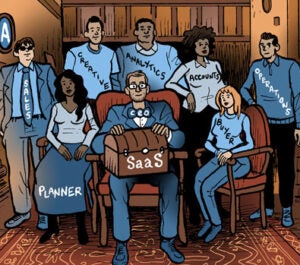
Meta is profiting from fraudulent ads; LLMs are taking advantage of SaaS pricing policies; and agencies aren’t going under… yet.

WPP aims to turn around faster; YouTube TV tips the carriage deal market; and Roblox takes its time on video ads.

A DSP, an SSP, an agency and a publisher walk into a room. Believe it or not, that isn’t the lead-in to a bad joke. It’s the model used by Medialive, a new AI startup that brings media buyers, sellers and vendors together to collaborate directly in a shared (digital) space. Joe Prusz, former CRO […]

IAPP’s Global Summit in DC was a reminder that AI is moving fast – and judges, privacy lawyers and practitioner are racing to keep up.
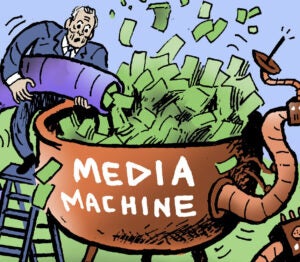
An upcoming paper from CIMM doesn’t just demonstrate that differences in media quality can be measured. It also argues that tying media value to short-term outcomes has perpetuated longstanding industry challenges.
Not unlike last year, the mood during TikTok’s NewFronts presentation last week felt like cautious optimism, if not outright relief.


Can a good sales presentation offset the impact of a very bad news week? That’s a question for Meta, which collected two guilty verdicts in court this week for failing to protect children and creating additive products.

Meet Clamor, a new social listening product that pulls cultural insights from online conversations in real time. Clamor helped Manscaped freshen up its marketing, including for this year’s Super Bowl.

Hotel chain Red Roof is using Zeta’s new voice-activated AI agent to guide its campaign creation, deployment timing and audience development.