Nothin‘ But Net
One of the most annoying things about earnings reports is that every company likes to structure theirs just a little bit differently.
That annoyance turned into a full-blown grievance for Publicis CEO Arthur Sadoun, reports Adweek.
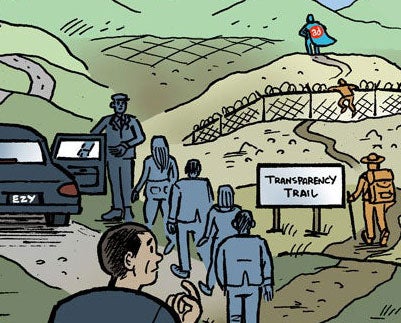
During a recent speech at a conference in Barcelona, Sadoun proclaimed that Omnicom, which is set to merge with IPG later this month, needs to start reporting its financials the same way all the other holdcos do.

Omnicom typically reports gross revenue, which is total income before deductions. Meanwhile, Publicis, WPP Media, Dentsu and Havas (and IPG, up to this point) all report net revenue, which is total income after deductions.
That difference “wasn’t a problem” when Omnicom was the third-largest holdco, said Sardoun, but after the merger it will now hold the top spot – in gross revenue, at least.
Sardoun also promised that Publicis would start reporting gross as well if Omnicom doesn’t acquiesce. Maybe he’ll be able to start a trend with the other holdcos?
Buh-Bye, API
Starting in January, Amazon will charge third-party developers to access its Selling Partner API.
The API has been free since 2009. Now, there’s a flat $1,400 annual fee plus monthly charges based on API call volume.
It’s a big deal, especially for smaller tech vendors that do seller services like inventory and pricing management or that operate product display pages. A larger software holdco could absorb the costs across a portfolio, writes Ben Donovan at Marketplace Pulse.
But smaller developers face crippling cost increases. A seller tool with 1,000 customers might expect an additional $10,000 per month.
Those types of tools themselves cost $10-$20 per month, typically, Donovan writes. So the economics are shot.
And, as Donovan notes, the Selling Partner API change follows a well-worn playbook for Amazon. Advertising went from something a seller could do to something every seller must do. Lock-in for Amazon’s first-party fulfillment service, called FBA, became mandatory to get into Prime.
The third-party affiliate industry was built largely on Amazon integrations. Until Amazon cut them out entirely. Or third-party DSPs, which, for a shining moment, had full visibility into Fire TV inventory.
The Amazon Ads API is still free, though. For now.
Under The Influence
One influencer marketing trend is that brands are now cultivating sponsorship deals with different types of social creators, sometimes even athletes or personalities that seemingly have no relevant connection to the product or brand itself.
“They might not be the first person you might think of to represent the brand,” Shari Ajayi, a PR exec for the mattress brand Saatva, tells Digiday regarding the company’s recent affiliate partnerships with US Winter Olympics athletes.
And it’s actually not just brand marketers branching into new types of influencer deals. There are lots of B2B and SaaS vendors that are breaking free of white papers and account-based management with splashy consumer-facing influencer deals.
Yahoo has a new commercial featuring comedian Troy Hawke, and Air, a SaaS service for influencer and brand monetization, has a video spot featuring that kid known as The Rizzler.
But Wait! There’s More!
NBC is launching a new linear sports channel, the NBC Sports Network. [NBC Sports]
Disney’s feud with YouTube TV is affecting ABC’s news ratings. [Variety]
The top 10 signs that your ad ops team is overwhelmed. [AdMonsters]
LinkedIn introduces a new AI feature that allows for more descriptive, less job title-focused searches. [The Verge]
What should marketers be looking for from an AI tech vendor? [Foreign Key; h/t Myles Younger on LinkedIn]
You’re Hired!
Locality appoints Michael Collins as CEO. [release]
Michael Peralta joins Future as CRO. [release]
AWS promotes Steph Layser to sub-industry leader, publishers and advertisers. [LinkedIn]
Here’s today’s AdExchanger.com news round-up… Want it by email? Sign up here.