Meta Makes Its Way To The Big(ish) Screen; Fubo’s Fraught Q3
Meta, like the other big platforms, is getting into TV; Fubo has mixed Q3 earnings but it’s still bullish on sports; AI scraping fears have the walled gardens strengthening their walls.
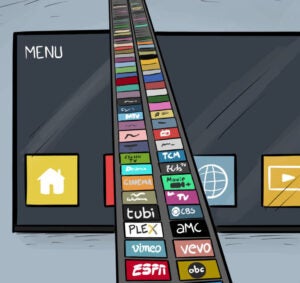
Meta, like the other big platforms, is getting into TV; Fubo has mixed Q3 earnings but it’s still bullish on sports; AI scraping fears have the walled gardens strengthening their walls.
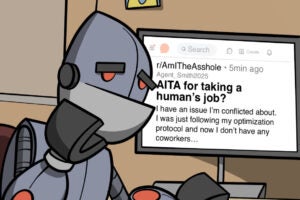
Meta hooks advertisers who worry Google’s AI competes with search ads; AI chatbots have introduced a host of new ad formats; and platforms are readying a new pivot to video.

Through a partnership with Qloo, Reddit will be able to better understand correlated interests and target users with more relevant ads.
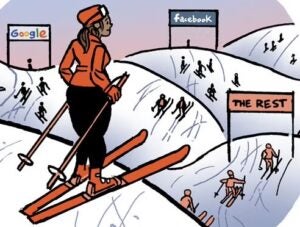
AppLovin is growing at a blistering pace, but Wall Street investors remain cautious about the business.

All Or Nothing Schools looking to ban AI for students are realizing just how much weight Google has to throw around. It’s a story publishers and ad tech companies know well. As more K-12 schools ban AI, Google is playing ball by turning off the AI features in its products (unless school admins actively opt […]

People Inc.’s referral traffic from Google search is down 70% over the past two years, and by 22% in Q3 alone. But its digital revenue is still growing, albeit slowly.

If you ask the executive leadership of Affle and Perion why the two companies are merging, the answer you’ll get is “synergies.”

A generic label tells consumers that AI was used to build an ad, but leaves them to guess where reality ends and fiction begins.

Why now’s the time for big ad tech mergers; Meta formalizes its play for CTV ad budgets; and Jezebel’s brand safety scare.

Starting in Q4, Reddit will test logged-in-only mode to protect its user engagement, improve ad targeting and keep AI from scraping its content.

Amazon is building new AI features into its ads business, and humans are still the ones making the purchases – for now.

Last week, a district court judge in New Mexico ordered Meta to pay $25 billion for misleading Facebook users about how it handled their data. Does it matter?

Google earned $127.6 billion in Q3, up 25% year over year, practically all of which came from ads. Yet advertising hardly came up during its earnings call on Wednesday evening.

Meta now scores every eligible ad for every impression at more than a billion ads per second, one of three ad ranking upgrades Meta announced on Wednesday.

Google is messing with search results to foil AI rivals; the industry waits for Skydance’s tech stack decision; and TV car commercials go local to drive performance.

Podcasters can open their inventory to programmatic demand to complement their direct-sold host-read ads and monetize their back catalogs.

LinkedIn is plugging its professional data into Google’s ad buying platform so that advertisers can use job titles and company info to target streaming ads programmatically.

The streaming market is looking bleak; indie agencies are frustrated with DSP fees; and publishers and artists turn to paid newsletters for revenue.

Despite spending billions in lawsuits and high Muse operating costs, Meta’s third quarter earnings still showed significant growth.

Apple is coming for identity resolution. WebKit’s latest tracking crackdown targets the infrastructure behind post-cookie IDs – and switching to a first-party setup won’t necessarily spare vendors.

ChatGPT launches its latest iteration of ads; retail giant AliExpress expands its partnership with YouTube; and people are making their smart TVs less smart.

Meta updates its AI and advertising policies; Is social commerce replacing SEO?; and online listings are a lot less transparent these days.

Prime time is coming to the feed. On Thursday, Meta announced a new feature, called Ads Super Burst, that lets advertisers lock in a window of between three and 24 hours on a single day across Facebook and Instagram.

By all means, measure outcomes. Optimize toward sales. Make television more accountable. But if the product is basically a pixel, an attribution window and a CPA column, that doesn’t mean we’ve transformed TV into Google.

Xbox gets into the TV biz; Meta is testing a new monetization model; and who wants to be a hold, anyway?
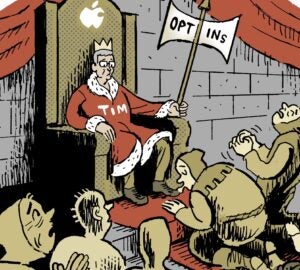
Against the backdrop of Advertising Week New York this week, the programmatic ecosystem has been buzzing madly like the inhabitants of an overturned beehive after the release of Apple’s iOS 27.

An AI agent can stay inside its budget and still spend too much. It can log every decision. But the evidence of performance can still arrive after the money is committed.

The assumption that an impression is a reasonable proxy for consumption is eroding, and when buyers stop believing it, pricing follows.

Most brands have a YouTube presence. Far fewer have a YouTube strategy, according to veteran marketer Norm de Greve, who recently joined the board at Pixability.
Agencies are differentiating their tech stacks by building custom agentic AI tools for their clients. And they’re rethinking owning those AI tools – particularly since licensing them creates new revenue streams.

AppLovin sues Unity over data leakage; Meta’s creator business faces an uphill battle in competing with YouTube; and AI search wrongly blames Converse’s old CMO for its current ad controversy.

Philips Sonicare, a maker of electric toothbrushes and water flossers, decided to consolidate its streaming TV ad buys within Amazon, which has also been doing some consolidating itself.

After selling ads at The Wall Street Journal and WebMD and rising to CRO at The Trade Desk, Jed Dederick is now the first-ever chief revenue officer of creator startup ShopMy.

DecryptAds’ goal, Garcia said, is to give researchers, ad agencies, tech companies and regulators the evidence they need to fix security gaps in the programmatic supply chain.


The mobile growth marketing platform Liftoff reported its second-ever quarterly earnings last week. Shares were up by almost 25% after the company exceeded its revenue target and projected an optimistic profit margin outlook moving forward.

CTV sellers are promising measurable outcomes – even guaranteed store visits – but winning advertiser trust takes more than just measurement.

For the first time, a new feature in Google Ads breaks down the dollar amount a campaign saved from IVT blocking and exactly how much Google is crediting the campaign for bots caught post-billing.