
People Inc. Says Who Needs Google?
People Inc. is offsetting a 50% decline in Google search traffic through off-platform growth and its highest digital revenue gains in five quarters.

People Inc. is offsetting a 50% decline in Google search traffic through off-platform growth and its highest digital revenue gains in five quarters.
CloudX CEO Jim Payne – of MoPub and MAX fame – has a new startup that uses AI agents to take the pain (sorry, had to) out of mobile ad monetization.
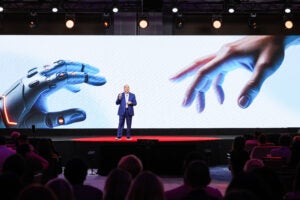
On stage at the IAB’s Annual Leadership Meeting, IAB CEO David Cohen tore into AI companies, accusing them of “free riding” on publishers’ work – and calling it “stealing.”
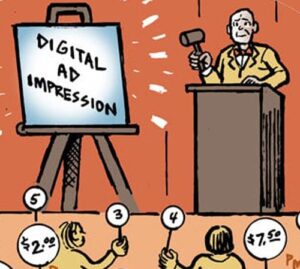
The MRC’s auction transparency standards aren’t intended to force every programmatic platform to use the same auction playbook – but platforms do have to adopt some controversial OpenRTB specs to get certified.

Q4 earnings reports are heating up; Private equity firms get squeamish; and AI data centers are harder to build than ever.
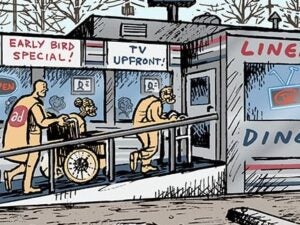
ICE is going ad tech; Streaming television is more original than ever; and YouTube wants to keep all its data to itself.

All of Cadent’s SSP’s CTV supply paths are now direct; Netflix is thriving on repurposed YouTube content; and the Washington Post continues to struggle.

To those who knew him, John “JG” Gentry wasn’t just a CEO. He was a colleague who showed up with genuine care and curiosity.

The group that turned header bidding software into an open standard is bringing the same approach to publisher-side AI agents.

Meta is channeling its booming ad revenue into a $135 billion AI drive to power its “personal superintelligence” future.

The brands seeing the greatest lift from Andromeda have adjusted not by outsourcing judgment to the algorithm but by refining their creative strategy. Here are three best practices to keep in mind.

Big TV’s shift to programmatic brings in the performance brands; Meta rolls out premium subscriptions for Instagram, Facebook and WhatsApp; and Yahoo enters the crowded AI search market.

AirOps’ new Page360 platform helps brands update their content to better perform across traditional search, AI search and online forums.

Alphonso’s founders lobbed yet another lawsuit at LG Electronics – this one seeking up to $4.5 billion in damages – over claims the company sabotaged their IPO, diverted profits and unfairly diluted their stake.
YouTube is finally delivering on the promise of shoppable CTV ads. Starting Thursday, they’ll roll out to all of Google’s Performance Max and Demand Gen campaigns, YouTube confirmed to AdExchanger.

Everyone has an opinion on OpenAI’s revenue prospects; Threads rolls out ads universally; and sports are a bastion of strength for Paramount.

Adswerve recently developed a custom bidding script to help Betterment generate more conversions from its leads.

Open AI finally gets ads; YouTube gets its own BBC shows; and marketers get to grading their own homework.

A Google divestiture is still in the cards; the IAB’s new framework lays out exactly when to disclose use of AI; and Hershey’s doubles down on marketing.

argue the Outcomes Era is already fading, writes Joe Zappa. But the evidence suggests the opposite. The Outcomes Era isn’t receding; it’s accelerating.

Meta cuts its metaverse investment by 30%; Netflix makes a renewed push in the gaming market; and the rush to slap an AI label on everything is placing existing ad tech under renewed scrutiny.

No brand safety? No problem. The Onion’s CMO Leila Brillson shares how the iconic satire site is expanding beyond pithy headlines into documentaries and also helping other brands find their snark – all while staying far, far away from generative AI.

Unusual, a new AI discoverability startup, analyzes how brands appear within AI search and provides suggestions on how to better rank.

Amazon touts its Marketing Cloud, but buyers have concerns; OpenAI’s ad biz may face challenges; and in-chat shopping isn’t all it’s cracked up to be.
Omnicom unveils the latest version of its ID and analytics tool; there’s a new Google Search update in town; and Omnicom Media addresses CTV ad frequency.

OpenX’s new API suite provides ad buyers with a more detailed view of the bidstream and, as a result, more accurate targeting.
Publishers have been losing 20%, 30% and in some cases even as much as 90% of their traffic and revenue over the past year due to the rise of zero-click AI search.

ChatGPT ads might already be here; TikTok’s new ownership deal has marketers spooked; and California unveils a new consumer protection act.

As brand safety standards evolve and oversight shifts from platforms to third-party vendors, Brittany Scott, SVP of global partnerships at Zefr, explains what the rise of generative AI – and Meta’s decision to step away from MRC brand safety audits – means for the future of media quality.

The generative AI trend generated endless hot takes this year, but the ad industry also had plenty to say about growing competition between DSPs and SSPs. Here are AdExchanger’s top 10 most popular guest columns of 2025 and why they resonated.

Apple has a new block list for data brokers and ad tech vendors that do cross-site user tracking – which could expand to include a much broader slate of ad tech and martech vendors across the entire ecosystem. Plus: a few thoughts on Advertising Week New York.

Against the backdrop of Advertising Week New York this week, the programmatic ecosystem has been buzzing madly like the inhabitants of an overturned beehive after the release of Apple’s iOS 27.
Given how much agentic AI pervades nearly every conversation these days, it’s easy to overlook how nascent the technology still is, particularly when it comes to buying ads on connected TV.


OAAA COO Patrick Dolan explains how the organization is changing to guide the out-of-home channel through programmatic’s agentic era.

PubX has acquired media-quality startup Compliant and raised a $5 million Series A as it expands its agentic ad-buying platform into the US.

Warner Bros. Discovery has a new white paper analyzing the data and methodologies of five top video measurement providers: VideoAmp, iSpot, Comscore, Innovid and Samba.