
AI Mode, Activate; The Trade Desk Bends On Agency Incentives
On Google and Meta platforms, AI search becomes the default; TTD might cut its costs; and apparently, toddlers like AI slop on YouTube.

On Google and Meta platforms, AI search becomes the default; TTD might cut its costs; and apparently, toddlers like AI slop on YouTube.

Agency buyers are facing a new wave of Google account hijackings that steal funds and lock out admins for weeks or even months.

Spencer has exited The Trade Desk after 12 years, marking another major leadership change amid friction with ad tech trade groups and intensifying competition across the DSP landscape.

Broadsign may actually be building a platform that will make an attractive acquisition target down the road. And one of the major cross-platform Big Tech players feels like the most likely buyer.

Newsweek launches an AI-powered homepage to offset traffic losses from AI search; OpenAI pulls an emergency pivot back to focusing on ChatGPT; and copycats dilute the impact of Spotify Wrapped.

Omnicom is making more cuts; investors aren’t interesting in publishing; and OpenAI is still on the fence about ads.

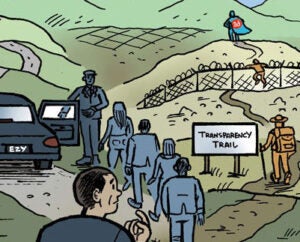
Enjoy this weekly comic from AdExchanger.com that highlights the digital advertising ecosystem … and happy Thanksgiving!

AudienceMix, a new curation startup, aims to make it more cost effective to mix and match different audience segments using only the data brands need to execute their campaigns.
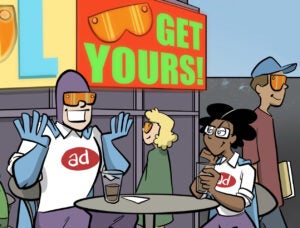
On Tuesday, digital out-of-home (DOOH) ad tech startup Place Exchange was acquired by Broadsign, another out-of-home SSP.

As artificial intelligence transforms advertising analytics, many organizations are rushing to adopt AI tools, hoping for a “magic button” that instantly democratizes data access.

Is TJX recession proof?; Amazon is blocking OpenAI; and Meta is in hot water with the US Senate.

Performance marketers are turning to AI to navigate rising costs, data loss and increasingly complex shopper journeys – and it’s working. Creative is more personalized, targeting is sharper and optimization happens in real time.
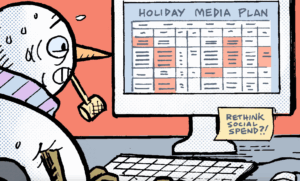
The Trade Desk gets insistent with Korai again; the EU is rethinking hashed IDS; and is the AI industry becoming a cartel?

The publisher-focused DOJ v. Google ad tech antitrust trial is finished. A judge will now decide the fate of Google’s sell-side ad tech business.

Inside Omnicom’s shift in spend from The Trade Desk DSP to Amazon DSP.

After pulling back on moderation, Instagram gets flooded with antisemites; BidSwitch builds a programmatic way for AI bots to pay to crawl websites; and nearly half of Gen Z dislikes AI content.

Adobe acquires SEO tech business Semrush; brands want to know what AI search engines think of them; and the LGBTQ community is an under-targeted audience.

Havas Health implements Vurvey’s human-trained AI model to better understand its clients by developing synthetic AI personas.

There’s no magic bullet for AI search optimization; how kids’ media monetizes outside of YouTube; and hey, whatever happened to the TikTok ban?

Competitive tensions and ad tech drama have flared all year. And this drama has rippled out into the investor circle, as evident from a slew of recent ad tech company earnings reports.

Two sources at ad tech platforms that observe programmatic bidding patterns said they’ve seen Omnicom agencies shifting spend from The Trade Desk to Amazon DSP in Q3. The Trade Desk denies any such shift.

With its latest funding, Agentio plans to expand its team and to establish creator marketing as part of every advertiser’s media plan.
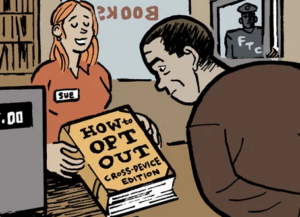
Google recently settled a class-action lawsuit by agreeing to create an off-switch for data sharing in bid requests. Huge deal, right? So why isn’t anyone talking about it?
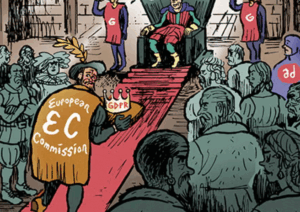
OneTrust wants to get bought; Europe wants Google to tweak its ad tech; and the DHS is spending more on ads than ever.
We break down some of the most interesting financial trends coming out of Q3 earnings reports, and what rises to the level of being worth covering in the first place.

Consumers don’t experience media in silos. They might stream a live game on their TV, scroll social feeds during halftime and research products on their mobile device later that night.
Omnicom revamps its revenue reporting; Amazon will now charge for access to its Selling Partner API; and brands seek sponsorship deals with all sorts of social creators.

The IAB Tech Lab’s latest framework proposes new standards for containerization and sets the stage for a fully agentic media buying process.

Confusion in CTV isn’t a natural byproduct of a maturing market; it’s an outcome of how distributors protect their pricing power.

A former exec sues WPP over an alleged retaliatory firing; Jolt acquires Volta Media from Shell; and AI defamation litigation is on the rise.

Opal launched Gem, a new AI solution, to help large brands unify the layers of media and tech within their organizations.

Mula’s AI native content feed helps On3 keep its engagement and RPS consistent amid traffic drop-offs to publisher sites and the growing scarcity of online attention.

Hearst is stitching together its far‑flung news properties into a single programmatic marketplace to simplify buying local news and shore up its business as the ad market shifts.


There’s MMM and MTA, but no single ad measurement works for brands with multiple points of sale. On Tuesday, Northbeam launched an incrementality tool to complete what it calls “the trifecta of digital attribution.”

If you want to know what privacy regulators think about online advertising, it’s not a mystery. Just listen to what they’re saying.

The effect wasn’t just limited to news content. The Reuters.com/lifestyle vertical also had some of its brand-suitable pages blocked.