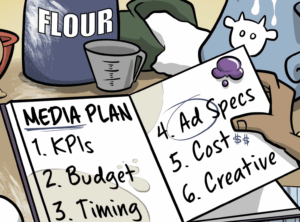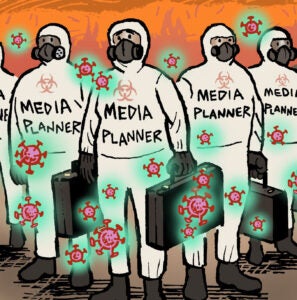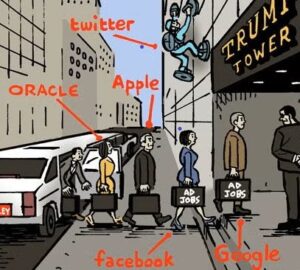
Comic: Metric Meditations
Enjoy this weekly comic from AdExchanger.com that highlights the digital advertising ecosystem …
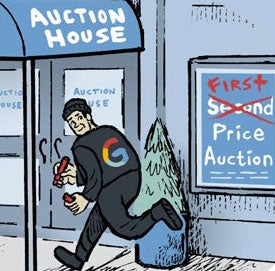
OpenX filed a lawsuit against Google over its anticompetitive practices. And HyphaMetrics claimed victory against Nielsen in court over a patent lawsuit.
After a recent expansion, Porter Airlines partnered with Samsung Ads Canada to reach new customers with timely and relatable ads.
The SSP is betting on the DOJ’s antitrust remedies, plus closer relationships with agencies, DSPs and mid-sized advertisers, to help it eat some of Google’s lunch.
Ever open the Disney+ app and experience cognitive dissonance when shows like “The Handmaid’s Tale” and “It’s Always Sunny in Philadelphia” appear in the recommendations? Well, expect more of that in the future.
Too bad actor Ryan Reynolds didn’t join CTV ad platform MNTN’s first-ever earnings call on Tuesday. It would’ve been fun hearing Deadpool answer questions from investors.
Late last week, a federal jury in Delaware found in favor of HyphaMetrics, a measurement startup Nielsen was suing for allegedly infringing on two of its patents.
CleanTap, an ad tech startup launched by the founder of Method Media Intelligence, wants to separate the wheat from the chaff in CTV by serving as a curation layer between DSPs and SSPs.
As the quality of answer engines improves, people will click through to publisher websites less often. The solution isn’t to wage war against AI. It’s time to build a sustainable future for all stakeholders.
Change can be bumpy. From The Trade Desk’s Solimar-to-Kokai transition to Nielsen’s transition to its Big Data + Panel offering, we go inside customers’ challenges with these two transforming platforms.
My YouTube creator obsession has me fascinated by an ongoing trend I’ve noticed in the CTV industry: A lot of companies that produce free ad-supported channels rely on content that already exists on YouTube.
Roku’s video advertising business has really been booming lately, as CEO Anthony Wood shared on a call with investors Thursday evening.
NBCU’s streaming losses were down to $100 million in Q2 from $348 million year-over-year, representing significant progress as the platform nears break-even.
Now that upfront negotiations are almost over, the industry appears to have settled back into its default position of being mad at Nielsen – which is likely good news for its currency competitors, but not so great for everyone else in the meantime.
SaaS companies are abandoning interoperability in search of more revenue; Spotify’s ad business is growing slower than expected; and sports is an upfronts winner for Disney and NBCU.
Ride-hailing app company Curb Mobility is bringing TikTok’s user-generated content to Taxi TV, its network of more than 15,000 in-taxi screens across 65 US markets.
Into every generation, a universally hated children’s television character is born. This, of course, poses a unique problem in a world of smart TV operating systems and content recommendation engines.
Brands spend millions activating around Coachella. Then they spend the next three months trying to figure out if any of it actually worked. It’s a reflection of our industry’s broken approach to measuring media effectiveness.
Most social platform spending comes from small businesses. And TV tech companies have been busy trying to make it easier for small businesses to apply the same tools – like data matching – they use on social media.
Netflix cracks Nielsen’s top 3 channels, but YouTube is still tops; CTV is maturing as a marketing channel, but it comes with zits; and Google rolls out another core update for search.
For advertisers, the holiday season poses an optimal opportunity to reach a new and broader audience, boost sales and foster brand loyalty with customers. And this season, CTV should be a core area of focus.
Social media companies are cutting the junk from their diet; Trump is trying to reshape American media; and selling ads is always the last resort.
Netflix, which reported its Q2 earnings on Thursday, generated more than $11 billion in overall revenue last quarter, up 15.9% year-over-year.
The return of in-banner video has resulted in a deluge of cheap video supply flooding the open web, driving down CPM rates for dedicated video inventory and creating user experience and ad quality concerns.
Nextdoor isn’t ruling out AI data licensing, but it has concerns; NBCU touts sports and streaming as drivers of its record Upfronts; and Scholastic follows kids and parents to YouTube.
TV audiences are rallying around CTV, and advertisers are following suit . But with this shift comes a persistent challenge: How can advertisers ensure brand safety, campaign efficiency and audience relevance in a fragmented, opaque streaming ecosystem?
Marketers today are operating in an outcome-obsessed world. For mobile app marketers, especially, the smallest screen in the home – the mobile phone – has become the default choice for driving lower-funnel outcomes.
Here’s what Head of Performance Media Josh Palau had to say about how Pfizer currently navigates the CTV landscape, including why having your own hands-on-keyboard experts is key and how new ad formats can be slow to accommodate pharmaceutical brands.
Comscore, iSpot and VideoAmp all reaffirmed last year’s full certification and currency-grade readiness, according to the broadcaster-backed joint industry committee (JIC)’s mid-term audit released Thursday.
CTV advertisers have carried over one-to-one programmatic logic from display and online video into a channel that behaves nothing like them. We need to stop chasing CTV impressions and start chasing impact.