
Netflix’s First MLB Broadcast Wasn’t A Home Run; The AI Data Center Backlash Arrives
Netflix’s MLB streaming is heavy on the ads; the anti-AI movement gains traction; the court dismissed X’s antitrust allegations.

Netflix’s MLB streaming is heavy on the ads; the anti-AI movement gains traction; the court dismissed X’s antitrust allegations.

Can connected TV really deliver performance – or is “performance TV” just a branding boost with extra data? Erin Firneno, SVP of business intelligence at Advertiser Perceptions, weighs in.

Judge tosses Helena World Chronicle case against Google; Apple will introduce ads to Maps; EU broadcasters push DMA “gatekeeper” label for Big Tech in CTV.

Walmart and Vizio announced at NewFronts that unified account logins are coming to smart TVs using Vizio’s operating system.

The age-old question for streaming TV advertisers is, how to target the viewers they want while reaching the scale their businesses need. The quick-serve restaurant operator CKE, which owns Carl’s Jr. and Hardee’s, sought an answer in a case study with Attain and Amazon Ads.

If you buy CTV advertising, you’ve likely encountered two approaches to securing premium inventory: programmatic guaranteed (PG) and buying direct, also referred to as direct IO (DIO).

America’s Test Kitchen introduced direct and programmatic buying for its free ad-supported TV channels – marking the first time it’s selling ad inventory as a standalone package.

One web page now needs as much memory to run as an entire operating system did 30 years ago; not even advertisers understand the industry’s acronyms; and prediction markets want to sponsor individual journalists.
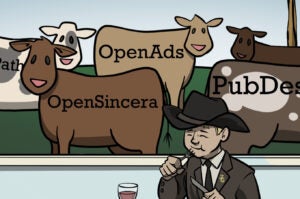
Publicis recommends some clients ditch The Trade Desk; ChatGPT reconsiders its “unlimited” enterprise subscription; and how NYC’s Washington Square Park became an influencer hub.

Complexity hasn’t made the CTV supply chain difficult to trust. This is a transparency problem and, more specifically, an ads.txt problem.

Someday soon, marketers may be able to pay NBCUniversal to have an AI-generated approximation of “Real Housewives” executive producer Andy Cohen namedrop their brand to hundreds of thousands of fans.

Netflix unveiled its own conversion API to help brands measure outcomes as CAPIs become increasingly popular in streaming advertising.

2026 is the year CTV will bridge the gap between branding and performance. Fresh off the Convergent TV World event, our team discusses the rise of performance TV, shifting live sports rights and the impact of M&A on the streaming experience in this future-facing episode.
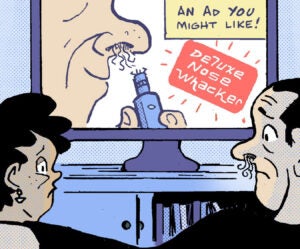
There are more pharma ads on CTV, but are they even targeted?; Gen Z longs for the ad-free TikTok of yore; and Meta buys a social network for AI agents.

Consumers today switch between screens and viewing interfaces to seamlessly view content. Now it’s time for advertisers to catch up to this convergence, so they can make ad experiences better – not worse, said Cadent CEO Doug Rozen.

NBCU used this year’s Olympic Winter Games to lean further into programmatic buying for live sports at scale. NBCU also made Olympics inventory available through Comcast’s Universal Ads self-serve platform for the first time and used AI for creative review and campaign optimization in near real time.

Marketers who want to remain competitive need to reexamine the way they view, plan and measure performance across video and streaming platforms. If they’re still debating programmatic vs. direct or linear vs. streaming, then they’re missing out on the real meaning behind convergent TV, according to Mike Fogarty, head of client development, brand and agency […]

Is brand advertising bad now,?; Prediction markets are targeting college students; and performance TV is a real thing, maybe.

“We are focused on being where the world watches video,” said Tara Walpert Levy, YouTube’s VP, Americas at the Convergent TV conference in NYC on Thursday. “And to us that now is TV.”

Late last week, Netflix walked away from plans to acquire Warner Bros., clearing the way for Paramount Skydance to scoop up the whole company with its hostile takeover bid.
Enjoy this weekly comic strip from AdExchanger.com that highlights the digital advertising ecosystem …

The NHL develops new revenue streams; malware makes its way into the programmatic ecosystem; and Target plans to open 30 new locations this year, along with revamping existing ones.
Netflix unveils a conversion API; some publishers are using AI tools to expand their footprints; and CFOs are getting more involved in marketing decisions.

The divergence between the DSPs reveals shifting buy-side priorities. Advertisers have grown wary of how The Trade Desk earns margin, where its algorithm steers inventory and how these strategies compete with buyer goals.

Versant Media Group reported its first earnings as a publicly traded company. The portfolio of networks, which includes CNBC, MS NOW (formerly MSNBC), USA Network, E! and Fandango, was spun off from Comcast in January.

DS-1, a new agentic AI interface developed by audience platform Dstillery, aims to reduce manual inefficiencies within audience curation.

Onetag’s acquisition of creative ad tech platform Aryel equips its curation solution with new tools for tweaking and testing interactive ad creative.

Who says TV is the only media channel that could benefit from converged buying?

The problems with FAST’s rapid growth; streaming viewers get a bot-powered alternative to subscriptions and ads; and IAS uncovers a mobile app fraud network that infected millions of devices.
PubMatic says adoption of its AgenticOS, combined with strong CTV and mobile demand, set the stage for double digit growth in the second half of this year.

Reorienting the ad auction so that ad servers bid into Prebid lets publishers access demand from Google AdX without also having to use Google’s ad server.

Starling recently launched as a connected TV SSP and wants to capitalize on the opportunity to address a major pain point facing CTV marketers: the lack of show-level data.
Apple has a new block list for data brokers and ad tech vendors that do cross-site user tracking – which could expand to include a much broader slate of ad tech and martech vendors across the entire ecosystem. Plus: a few thoughts on Advertising Week New York.


Against the backdrop of Advertising Week New York this week, the programmatic ecosystem has been buzzing madly like the inhabitants of an overturned beehive after the release of Apple’s iOS 27.

Given how much agentic AI pervades nearly every conversation these days, it’s easy to overlook how nascent the technology still is, particularly when it comes to buying ads on connected TV.

OAAA COO Patrick Dolan explains how the organization is changing to guide the out-of-home channel through programmatic’s agentic era.