Don’t Worry About Netflix – It’s Doing Fine Without Warner Bros. Discovery
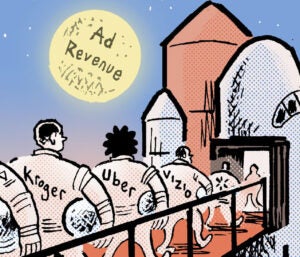
Paramount might have outlasted and outbid Netflix in the competition to acquire Warner Bros. Discovery, but Netflix is not overly fussed about the loss.
Paramount is merging the ad tech stacks behind Paramount+ and Pluto TV, releasing a new performance product, offering more control over ad placements and introducing dynamic ad insertion in live sports.
One acquisition often begets another. Take Viant, which announced its plan to acquire TVision for $40 million on Wednesday.
TelevisaUnivision is the latest TV publisher to join the self-serve trend that’s rising in popularity across connected TV advertising. Its streaming inventory is now available to buy through fullthrottle.ai’s self-serve platform. The collaboration includes an ad bidder designed to improve both targeting and measurement.
Live sports is one of programmatic’s biggest opportunities, even if the buying process is still kind of a mess. But efforts are being made.
In-store audio ads grow, but attribution and headphones raise doubts; Hidden fees persist as drip pricing draws scrutiny; World Cup ad costs surge.
CTV never fit cleanly into campaign execution models built for RTB-based trading. Whether agentic AI solutions can simplify the complicated CTV landscape for publishers will be their first real test case.
Earlier this year, datafuelX rehired Dan Aversano, one of the company’s co-founders, to take the helm as CEO. Aversano will lead the company through its next growth phase, which revolves around – surprise, surprise! – connected TV and digital expansion.
Measurement and performance are expected to dominate convos at upfronts; Tubi doubles down on AI; and Meta takes down ads encouraging anti-Meta lawsuits.
European TV has never been an easy ad market, with content distributed across different languages, currencies and regulatory frameworks. RTL Group’s total video strategy aims to help global advertisers navigate this fragmented market.
Could Epic’s rough patch mean ads in Fortnite?; TV’s shot to end the reign of direct insertion orders; and publishers learn how to game AI search summaries.
I’m pretty sure I’ve missed the window on becoming a Crumbl fan — but I can still appreciate the “pretty pictures of cookies” on their CTV ads.
An upcoming paper from CIMM doesn’t just demonstrate that differences in media quality can be measured. It also argues that tying media value to short-term outcomes has perpetuated longstanding industry challenges.
In 2011, three media devices captured 87% of consumer attention. Today, that figure has dropped to 65%, according to McKinsey. The fragmentation isn’t slowing down; it’s accelerating. Streaming services, social media, podcasts and gaming now compete for eyeballs, making traditional media planning feel like navigating with an outdated map.
Now that we have not one but two reporters covering the CTV advertising space, we thought we’d try something different and share the roundup newsletter this week!
If you want to protect your margins, your data and your long-term strategy, here are five questions worth asking before you sign anything.
Netflix’s MLB streaming is heavy on the ads; the anti-AI movement gains traction; the court dismissed X’s antitrust allegations.
Can connected TV really deliver performance – or is “performance TV” just a branding boost with extra data? Erin Firneno, SVP of business intelligence at Advertiser Perceptions, weighs in.
Judge tosses Helena World Chronicle case against Google; Apple will introduce ads to Maps; EU broadcasters push DMA “gatekeeper” label for Big Tech in CTV.
Walmart and Vizio announced at NewFronts that unified account logins are coming to smart TVs using Vizio’s operating system.
The age-old question for streaming TV advertisers is, how to target the viewers they want while reaching the scale their businesses need. The quick-serve restaurant operator CKE, which owns Carl’s Jr. and Hardee’s, sought an answer in a case study with Attain and Amazon Ads.
If you buy CTV advertising, you’ve likely encountered two approaches to securing premium inventory: programmatic guaranteed (PG) and buying direct, also referred to as direct IO (DIO).
America’s Test Kitchen introduced direct and programmatic buying for its free ad-supported TV channels – marking the first time it’s selling ad inventory as a standalone package.
One web page now needs as much memory to run as an entire operating system did 30 years ago; not even advertisers understand the industry’s acronyms; and prediction markets want to sponsor individual journalists.
Publicis recommends some clients ditch The Trade Desk; ChatGPT reconsiders its “unlimited” enterprise subscription; and how NYC’s Washington Square Park became an influencer hub.
Complexity hasn’t made the CTV supply chain difficult to trust. This is a transparency problem and, more specifically, an ads.txt problem.
Someday soon, marketers may be able to pay NBCUniversal to have an AI-generated approximation of “Real Housewives” executive producer Andy Cohen namedrop their brand to hundreds of thousands of fans.
Netflix unveiled its own conversion API to help brands measure outcomes as CAPIs become increasingly popular in streaming advertising.
2026 is the year CTV will bridge the gap between branding and performance. Fresh off the Convergent TV World event, our team discusses the rise of performance TV, shifting live sports rights and the impact of M&A on the streaming experience in this future-facing episode.
There are more pharma ads on CTV, but are they even targeted?; Gen Z longs for the ad-free TikTok of yore; and Meta buys a social network for AI agents.