
Is Agentic Commerce An Oasis Or Mirage?
For companies like Shopify, Criteo and Instacart – and even for giants like Amazon and Walmart – figuring out if the agentic oasis is real or a mirage is their priority No. 1.

For companies like Shopify, Criteo and Instacart – and even for giants like Amazon and Walmart – figuring out if the agentic oasis is real or a mirage is their priority No. 1.

Amazon has packaged a handful of upgrades to its ads measurement solutions, obviously catered to TV and streaming media advertisers.
Going viral isn’t great; AI search is a nightmare; and CTV is forcing everyone to get along.
Amazon is optimistic about agentic commerce; the costs of AI may soon outweigh profits; and AMC Global Media thinks old shows deserve new ads.

Dappier’s new ad format allows advertisers to insert a custom brand agent into AI chat sessions on publisher sites.
The Amazon advertising boycott last week wasn’t really about Amazon’s ad platform as much as it was a dispute over evolving seller economics, which raises a fundamental question: Can you even build a brand on Amazon anymore?

OpenAI has its own tracking pixel; Amazon sellers are boycotting the platform; and DirecTV hops on the CAPI bandwagon.

The NewFronts, digital video’s week of splashy sales pitches, is in full swing. Our reporters share what they learned on the ground. Plus: What can ad tech learn from Data, a new off-Broadway play?
Samsung teases a shoppable TV integration with Amazon; hackers target AI search users for marketing account takeovers; and new research shows young news audiences are “social-first.”

Brave’s chief of ads Jean-Paul Schmetz on competition in the search and browser markets, the fallout from the Google Search antitrust ruling and whether AI search will help smaller upstarts compete with Big Tech.
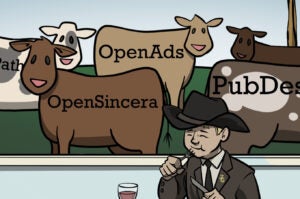
Publicis recommends some clients ditch The Trade Desk; ChatGPT reconsiders its “unlimited” enterprise subscription; and how NYC’s Washington Square Park became an influencer hub.
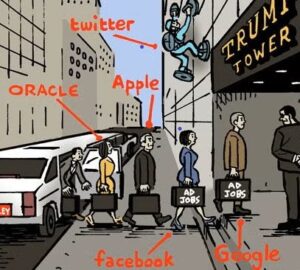
Jeff Green doubles down on OpenPath’s value; Amazon wants Perplexity to disable agentic shopping; and the creator economy takes on political fundraising.
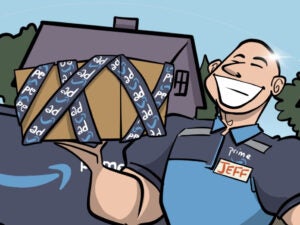
Amazon’s Fire TV redesign is extra friendly for ads; Anthropic benefits from its newfound spine; and the children yearn for the malls.
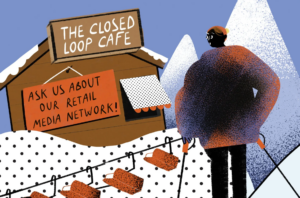
Buyers dig Netflix’s ad platform changes; OpenTable puts the “restaurant” in “RMN”; and Google and Amazon blame human error even when it’s AI’s fault.
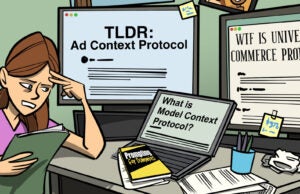
Agentic commerce can’t stop, won’t stop; Perplexity is officially done with its ads business; and AppLovin may launch its own social media platform.

A 2004 statute prevents owning enough TV stations to reach 39% of households. But without the scale afforded to other digital content companies, local TV is at a competitive disadvantage.

Twitch gets into pause ads; CEOs would love to stop talking about AI agents; and so would brands and publishers, actually!

Amazon opened up its Prebid adapter for beta testing on January 21. Publishers are preparing to test, and we spoke with Raptive and Unwind Media to learn how.
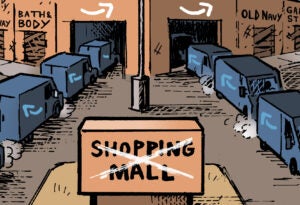
TikTok may be doubling down (again) on Shop; bots are scraping content they’re banned from; and Walmart is allegedly selling counterfeit products.
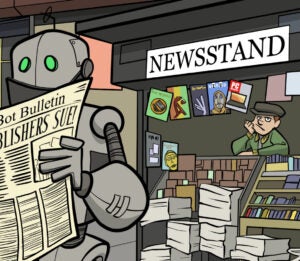
Amazon teases an AI licensing marketplace for publishers; not every country is fine with targeted gambling ads; and YouTube’s ad revenue share isn’t enough for its entrepreneurial creators.
Prebid is on a roll: It will take charge of a seller agent, part of AdCP, and Amazon’s integration with Prebid is in beta. But there’s one sticking point: Microsoft is not going to cache video ad creatives anymore that come through Prebid, leaving publishers scrambling for an alternative.

Big TV’s shift to programmatic brings in the performance brands; Meta rolls out premium subscriptions for Instagram, Facebook and WhatsApp; and Yahoo enters the crowded AI search market.
AdMonsters is officially joining AdExchanger, unifying content under one site on AdExchanger’s domain to further connect our audiences.
Retailers court luxury goods to compete with Amazon; indie agency Tombras acquires Opinionated; and talk of an AI bubble dominates discussion at Davos.
Amazon touts its Marketing Cloud, but buyers have concerns; OpenAI’s ad biz may face challenges; and in-chat shopping isn’t all it’s cracked up to be.

The generative AI trend generated endless hot takes this year, but the ad industry also had plenty to say about growing competition between DSPs and SSPs. Here are AdExchanger’s top 10 most popular guest columns of 2025 and why they resonated.
Agencies are shifting away from third-party ad tech; ChatGPT is throwing all kinds of monetization spaghetti at the wall; and Axel Springer is looking to buy.

Jay Richman, Amazon’s VP of product and technology, on how AI-generated ad creative can still stand out at scale without becoming generic or too samey samey. Plus: The risks brands face if they wait too long to embrace AI.

AI shopping agents are breaking the traditional attribution loop. Marketers must ensure that AI is aware of their brand and track how that awareness influences ecommerce outcomes.
Auctions aren’t just for programmatic ads anymore; fashion influencers are turning to Substack; and AI-generated recaps continue to get the facts wrong.