
GAM Goes Direct To Buyers; Perplexity’s Ad Lead Exits
Google’s SSP tries to cut out its DSP ahead of a possible ad tech breakup; Perplexity’s head of ads skips town; and Amazon’s search ad pause flooded the market with big spenders.

Google’s SSP tries to cut out its DSP ahead of a possible ad tech breakup; Perplexity’s head of ads skips town; and Amazon’s search ad pause flooded the market with big spenders.
Amazon gets a taste of its own AI medicine; LinkedIn continues its pivot to video; and YouTube and Fox are on a fight.
Walmart’s CTV and DSP business shine in a meh Q2; plummeting search traffic is blowing up cost-per-click pricing; and TikTok annoys brands with its black box optimization.

The competitive set has shifted and it’s stacked against independent DSPs. But, instead of chasing what competitors already own, TTD can own what they can’t: trust.

The Trade Desk has won the battle for supremacy on the open internet, says Needham & Company’s Laura Martin. But it might just be losing the war for the future of the web to walled gardens and AI search.

Walmart Connect’s deal with The Trade Desk isn’t so exclusive anymore; Amazon is competing with everyone except publishers; and Meta’s chatbots don’t exactly inspire confidence in the company’s ability to deliver effective AI tools.
Sometimes, price can itself be promotional marketing; Reddit is no longer playing nice; and AI scrapers are reshaping the web in another way.

As the quality of answer engines improves, people will click through to publisher websites less often. The solution isn’t to wage war against AI. It’s time to build a sustainable future for all stakeholders.

Google’s AI search tools are creating a paradox; Amazon pulled its Google ad budgets; and now’s a great time for indie commerce ad tech startups.

Amazon acquires AI-equipped wearable manufacturer Bee; the UK’s CMA shares competition guidelines for Google and Apple; and AI models may be learning from each other in unexpected, potentially harmful, ways.

This year’s Amazon Prime Day event stood out in a couple important ways. One is the blasé results of Prime Day; the other is the guerilla pricing tactics adopted by brands and merchants that sell on Amazon and elsewhere across the web.
Nextdoor isn’t ruling out AI data licensing, but it has concerns; NBCU touts sports and streaming as drivers of its record Upfronts; and Scholastic follows kids and parents to YouTube.
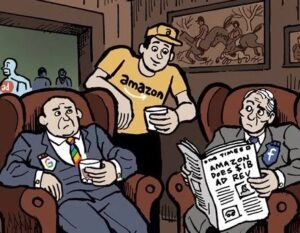
Amazon locked in two more publishers for its AI shopping engine; AI companies are working on web browsers now; and platforms have a hard time telling AI from reality.

AI Overviews makes dodgy product recommendations because it scrapes marketing copy; discrepancies in TV ratings hamper upfronts negotiations; and why mar tech companies are building software fortresses.

How Amazon uses the threat of knockoffs to win brand business; YouTube introduces new creator video metrics; and Substack is the latest platform to pivot to video.

When it comes to the red-hot retail media sector, history doesn’t have to repeat itself. Here’s how to add accountability and transparency to a space where those attributes are sorely lacking.
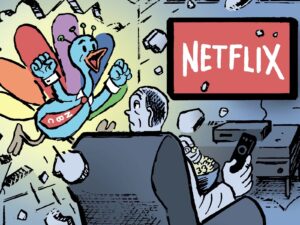
Going For The Cinematic Effect; Do The Youngs Shop Google?; X Marks The Spot

In the early hours of Monday morning, Roku and Amazon jointly announced a partnership that will reportedly result in the “largest authenticated TV footprint” in the US.

Retroactive reinforcement won’t be enough to ensure a fairer and more innovative ad market going forward. The advertising industry needs proactive antitrust enforcement.

Expect to see more AI-generated ads on the Amazon website going forward. On Tuesday, Amazon announced the US release of its AI-powered video generator tool after nine months of beta testing. It also rolled out an updated version of the image generator first announced in 2023.

Classify is entering a crowded space of AI-powered contextual curation offerings. But the company is already teasing some high-profile integrations thanks to its network of well-connected advisors.
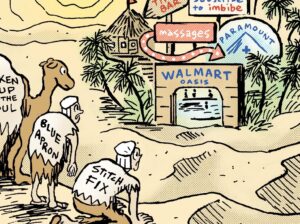
Amazon will consolidate its legacy ad APIs into one offering; retail media powers to mobile economy; advertisers aren’t feeling Pride Month this year.

As AI agents begin to mediate everything from search to purchase, marketers are being forced to confront the reality that they must treat machines as customers.
Amazon is integrating into Prebid. What does this mean for publishers? Plus, are Amazon and Google diverging in their product focus?

Perplexity is thirsty for revenue streams; Marketecture’s media biz grows; and Duolingo goes dark on social after its AI pivot.
Now that all the dust and confetti has settled after the upfronts, negotiations between marketers, agencies, networks and streamers are only just getting started.

Amid the glitz of TV upfront presentations, advertising executives take the stage to talk about things like new audience targeting capabilities or to ballyhoo new ad measurement partnerships. How, though, are we supposed to focus on brand lift statistics when we can all hear Lady Gaga belting a vocal warmup offstage?

Marketing On Autopilot Companies that build AI-powered marketing software have been framing the technology as a friendly helper. Nothing to fear here, just an eager “copilot” ready to serve. The AI “copilot” that first comes to mind for most people is Microsoft’s generative AI chatbot of the same name. GitHub, meanwhile, which is owned by […]

Contextually relevant pause ads were just one of three new formats that Amazon unveiled in advance of its upfronts presentation on Monday.

The wave of ad tech headlines in recent weeks represents a long overdue moment of reckoning for companies who (still) hold disproportionate control over publishers’ website traffic and revenue potential.