Everlasting Love
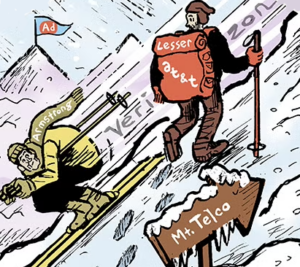
AppLovin’s ecommerce advertising beta program has sparked optimism and speculation since initial results started coming in recently.
People are always excited about a potential challenger to Google, Meta and Amazon. But can it last?
AppLovin has returned attributable conversions at rates as good or better than Meta, the industry gold standard, The Information reports. But it’s achieved those results with much lower overall scale.

The AppLovin commerce product is in closed beta with a few hundred advertisers. Also, those advertisers just began increasing test budgets from less than $20,000 per week to $80,000 to $100,000, says Olivia Kory, head of strategy at the DTC attribution startup Haus.
And exiting the closed beta is tough, because adding so many competitive brands drives up costs and splits the conversions. TikTok Smart+, TikTok’s machine-learning-based commerce advertising product, also saw strong early results peter out as more advertisers joined and lookalike segments ran dry.
Even Meta had a strange hybrid beta program for Advantage Shopping+, its commerce ad system. All advertisers could sign up for the beta, but they were granted access in seemingly random fits and spurts over more than a year.
Throwaway Comments
In September, YouTube quietly announced a new feature it was testing with some creators to auto-generate replies to comments, especially during livestreams.
The idea makes sense, since it’s not like a popular creator can actually respond to hundreds of comments during a real-time stream, let alone general comments to a posted video. The AI-generated responses are akin to the suggested prompts in a Gmail, say, or a LinkedIn message.
However, the results of the program have been mixed. And that’s being generous.
The AI adapts and learns from the creator’s history, so it should have the right tone and language. But it misfires all the time, 404 Media reports.
Google’s announcement refers to the AI prompts as “a helpful starting point,” so there is an understanding that it isn’t actually ready for prime time.
But considering that engagement rates with comments and the overall number of comments are important factors in organic rankings and paid media deals, it’s another example of how creators often must be wary of temptation when it comes to the promises of an AI-generated tool.
Take Your Medicine
The past few years have been tough for retail pharmacies.
Walgreens, for one, was worth $35 billion two years ago. It’s now $8.7 billion, after a boost following news of a potential private equity takeover of the business.
But Amazon’s pharmacy sales are through the roof. And Costco’s pharmacy business is the company’s “biggest tailwind” right now, said CFO Gary Millerchip on an earnings call last week.
“I think that’s partly the work we’re doing,” he added. “And, partly, there is some disruption in the industry currently as well.”
Amazon CEO Andy Jassy was less discrete during his recent earnings: Amazon’s pharmacy biz is booming because it doesn’t “require customers to make trips to forlorn physical venues with much of the selection behind locked shelves.”
Costco shoppers are paid members, so it’s less exposed to shoplifting, the ostensible rationale for in-store shelf barricades. But locked shelves also have shopper marketing benefits (one way out of shelf prison is to buy an aisle display). And Walmart is considering making it a Walmart+ membership feature to have an in-app button that unlocks shelves without an attendant.
Chasing data and marketing revenue will sometimes lead retailers to ideas that their customers hate. Proceed with caution.
But Wait! There’s More!
Data licensing lawsuit adds a legal wrinkle to Omnicom’s planned acquisition of IPG. [Digiday]
Speaking of best friends, tech billionaires are trying to get cozy with Donald Trump via millions of dollars in inaugural fund donations. [Techcrunch]
Turkey’s antitrust regulator fined Google 2.61 billion liras ($75 million), alleging the company provided an unfair advantage to its own supply-side platform. [Bloomberg]
Shutterstock’s AI-powered image generator tool earned it over $100 million in revenue this year. [Business Insider]