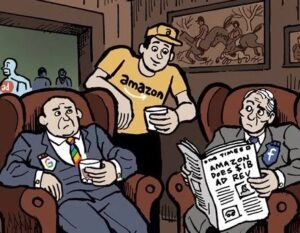
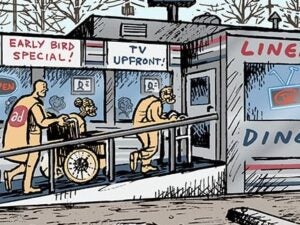
Let The Great Unbundling Begin; Why Amazon Won At The Upfronts
The bottom is falling out of the mass multichannel TV bundle. Plus, Amazon crushed its first-ever upfront this year.
In today’s newsletter: Google Demand Gen is the industry’s latest over-attribution controversy; data from third-party brokers might not be worth it; and The Trade Desk launches a CTV operating system.
In today’s newsletter: Amazon stands out among Upfronts CTV rookies; Google reveals how much revenue its ad tech divisions make; and women hold more marketing leadership positions than men, but churn is worse for women.
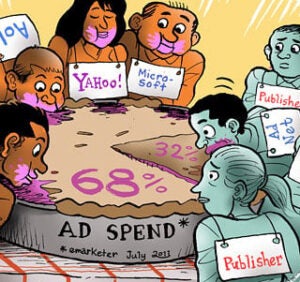
Is it time to retire references to the advertising “duopoly?” Plus, Omnicom wants to bring its major agency brands under unified leadership.
In today’s newsletter: Digital twins are marketers’ cool new AI tool; Netflix pulls a Prime Video and defaults lapsed subscribers to the ad-supported tier; and California compromises with Big Tech on two journalism bills.
Adelaide used this latest cash injection to boost its valuation to $60 million ahead of an all-stock acquisition of Rita, an Amsterdam-based data marketplace with a focus on the EU.
In today’s newsletter: Walmart’s hottest growth drivers are ads and subscriptions; why The Trade Desk’s UID 2.0 could be regulators’ next target; and how the growth of CTV content fortresses is preventing breakout streaming hits.
With a landmark ruling potentially forcing Google to change its business practices, who is actually likely to steal some of its search market share? And what should marketers do about it?
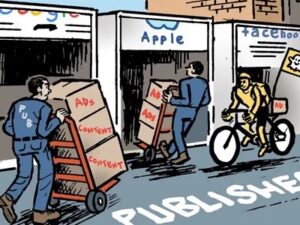
Amazon is well positioned to seize the growth of social app-based shopping. Plus, Apple updates are wreaking havoc on publishers again.
In today’s newsletter: US rules Google has a monopoly in search, but not search ads; Nvidia’s unreleased AI has been scraping online video from YouTube, Netflix and others; and streaming app Max debuts a new personalized home page.
The acquisition puts Reddit in a better position to compete with Google, Meta, Amazon and TikTok, which all built or expanded their AI creative generation and optimization tools within the past year.
In today’s newsletter: To boost its ads biz, Walmart will show in-store ads for non-endemic brands; Hyve Group buys Possible; and the Senate advances KOSA and COPPA 2.0, but the bills face obstacles in the House.
Amazon’s Rufus: yet another example of Big Tech pushing AI bots onto its platforms. Plus, pushback against Google search engine monetization.
The Chrome Privacy Sandbox team is stuck within a Catch-22. Plus, why haven’t media buyers bought more into alternative currencies?
In today’s newsletter: Mobile and email providers face political blowback if they enforce ad policies; a new analytics startup sets its sights on Amazon attribution; and CFOs and CMOs are more aligned than you might think.
In today’s newsletter: SSPs lead the way on ad tech’s M&A resurgence; Disney rolls back CPMs to court more streaming ad demand; and why dating apps struggle to grow and monetize their audiences.
In today’s newsletter: Amazon’s argument that advertisers should trust optimization algorithms over alternative IDs; Japan passes an app store antitrust law targeting Apple and Google; and Google Ads ends support for credit card payments.
Media governance measures advertisers can put in place to navigate the complexity of brand safety and gain better control of the quality of their media spend.
RAG is a recently developed process to ingest, chunk, embed, store, retrieve and feed first-party data into AI models. Here’s how to use these tools to inject first-party data into your next AI-enabled campaign.
In today’s newsletter: How the Amazon-TripleLift deal illustrates retail media’s need for standardization; legacy publishing brands persist as investors extract value from their name recognition; and mortgage lenders get caught sharing data with Meta.
In today’s newsletter: Google’s generative search experience launches in the US; kid-focused brands worry Instagram is serving their ads to predators; Fox hypes clean rooms and shoppable TV at the upfronts.
In today’s newsletter: Closing arguments begin in the DOJ vs. Google Search antitrust trial; the sports betting ad bubble might be set to burst; and Etsy struggles to stand out among ecommerce competitors in audience scale and marketing spend.
In today’s newsletter: Online news revenue is being throttled around the web; Roblox is on a mission to build a $1 billion ad business; and TikTok is circumventing the Apple App Store’s 30% fee by directing users off iOS to purchase TikTok coins.
In today’s newsletter: The marketing data ecosystem is key for fin tech; media buyers acknowledge YouTube as part of their TV strategies; and Threads will launch ads later this year.
In today’s newsletter: The European Data Protection Board outlaws Meta’s “Pay or OK” model; Walmart sharpens its conquesting tools; and Roku seeks more ad supply.
In today’s newsletter: The quantum entanglements of Google’s and Reddit’s contracts could come under scrutiny; Meta’s ad revenue growth is healthy, though its ad platform’s a mess; and TikTok’s developing AI-generated creators for advertising.
In today’s newsletter: Shoppable TV needs a better reason to exist; Disney+ will roll out password-sharing bans worldwide this summer; and “Bluey” is a huge hit, but Disney doesn’t make much from it.
Big streamers aren’t joining the JIC, which could spell trouble for the broadcaster-backed organization; Spotify raises prices again; Chase gets into retail media.
In today’s newsletter: AppLovin raises $144 million and buys video shopping app Flip; Google agrees to disclose that it collects data from Incognito users; and why Trader Joe’s is (and isn’t) the Shein of grocery stores.
In today’s newsletter: Yum Brands feasts on cross-brand customer data; YouTube’s focus has shifted away from services to software and APIs; and Walmart Connect announces updates to its DSP, including allowing conquesting in sponsored search listings.