
Alphabet Earnings Earn A Shrug From Investors, But Nobody Else Can Keep Up
Alphabet is so big that, even when it’s growing slowly – YouTube, for example, disappointed with a lower-than-expected growth rate – it’s still outpacing competitors.

Alphabet is so big that, even when it’s growing slowly – YouTube, for example, disappointed with a lower-than-expected growth rate – it’s still outpacing competitors.

The industry shouldn’t let Google’s repeated delays slow down the progress we’ve made toward a more privacy-friendly advertising ecosystem. The need for innovation and collaboration is greater than ever.

Google appears to have thrown regulators for a loop with its surprise announcement on Monday that it no longer plans to deprecate third-party cookies in Chrome.

You read that headline right: Google is seriously considering scrapping its plans to deprecate third-party cookies in Chrome. Instead, it’s proposing some kind of TBD opt-out tool for third-party cookies.

In January, the Chrome browser removed third-party cookies for 1% of users, to facilitate testing of the Privacy Sandbox – and a new controversy was born.

The Threads app is a counterpoint to the argument that scale and reach are what count. Plus, the USPS has been disclosing info on customers.

We set the scene for Google’s upcoming antitrust trial in September, including details from the recently released witness list, a who’s who of the ad tech world.

Third-party cookies weren’t getting the job done for Indeed. So, two years ago, Indeed began working closely with LiveRamp to create a new audience engagement strategy that isn’t as vulnerable to third-party cookie deprecation.

The next Google Search core update is expected in “the coming weeks.” Plus, The TV industry moves slowly, but it’s going FAST now.

Business outcomes are now the most important KPI for determining success with digital video, according to the IAB’s annual report.

Dave Clark, who’s led TripleLift for the past two years, is stepping down, effective immediately, and is being replaced by a coterie of TripleLifters.

Sophia Cao, RTB House’s newly appointed director of private advertising advocacy, knows how to play nice in the sandbox – because, well, she used to work there.

Amazon’s Rufus: yet another example of Big Tech pushing AI bots onto its platforms. Plus, pushback against Google search engine monetization.

With a multifaceted approach, companies can manage the risks while reaping the rewards of more consumer-conscious ad targeting strategies.

Enjoy this weekly comic strip from AdExchanger.com that highlights the digital advertising ecosystem …

The Chrome Privacy Sandbox team is stuck within a Catch-22. Plus, why haven’t media buyers bought more into alternative currencies?

For our 300th episode, we do a post-mortem (don’t do a brand safety block on us for using this term!) on Oracle’s ad business. Then, we go through the ins and outs of reaching LBGTQ+ audiences online, a category that requires extra attention to data privacy.

Paramount Global finally agreed to merge with Skydance Media, but it’s not out of the woods yet. Plus, is YouTube really worth $455 billion?

On Wednesday, customer data platform BlueConic bought Jebbit, which creates quizzes, surveys and other interactive online plugs for collecting data from customers.

Ad tech faces a GDPR compliance paradox. Plus, TikTok will make it harder to target teenagers and plans to give users more control.

The DOJ published the witness list for its upcoming antitrust trial against Google, and it reads like the online advertising industry’s answer to the Social Register.

Since removing IDFA on iOS, Apple has made it clear that probabilistic or fingerprint attribution is not allowed. Any method that lets an advertiser link users between apps is forbidden.

Electronic Arts is done slow-rolling into advertising. Plus, Sensodyne is experimenting with “content credentials” for its digital ads.

Yahoo may have earned itself a stay of execution with The Trade Desk. Plus, TV buyers are clinging to Nielsen for yet another upfront season.

Google is testing a new badge for shopping-related searches on some mobile devices. Plus, should brands have political opinions?

Publishers and SSPs aren’t incentivized to accurately label their video inventory. But increased pressure from the buy side could correct the skewed pricing dynamics that result from outstream being sold as instream.

Upfront negotiations might take longer than normal this year. Plus, Meta is already in hot water with the EU’s new digital regulations.

By now, the industry is well aware that Oracle, once the most prominent advertising data seller in market, will shut down its advertising division. What’s behind the ignominious end of Oracle Advertising?

The end of Oracle’s ad business is a major shift in the ad landscape. Here’s how to assess the impact on your business and begin to find a new path forward, according to Alliant’s Christopher Morse.

If Google were to shut off third-party cookies today and implement the current version of the Privacy Sandbox, publishers would see their ad revenue on Chrome tank by around 60% on average.

Inside how Jones Road Beauty is trying to turn messy, conflicting measurement signals into a single testing roadmap for its media mix.

IAPP’s Global Summit in DC was a reminder that AI is moving fast – and judges, privacy lawyers and practitioner are racing to keep up.
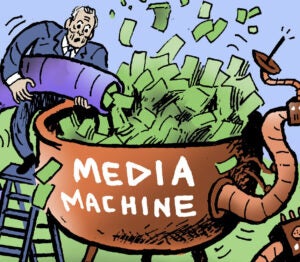
An upcoming paper from CIMM doesn’t just demonstrate that differences in media quality can be measured. It also argues that tying media value to short-term outcomes has perpetuated longstanding industry challenges.

Not unlike last year, the mood during TikTok’s NewFronts presentation last week felt like cautious optimism, if not outright relief.

Can a good sales presentation offset the impact of a very bad news week? That’s a question for Meta, which collected two guilty verdicts in court this week for failing to protect children and creating additive products.

Meet Clamor, a new social listening product that pulls cultural insights from online conversations in real time. Clamor helped Manscaped freshen up its marketing, including for this year’s Super Bowl.