Personalization Isn’t Everything: The Case For Marketing That Brings People Together
As the pendulum swings hard toward 1:1 personalization, a critical question emerges: Just because we can personalize every interaction, does it mean we should?
Apparently, we’re in for a hardware revolution; advertisers don’t know what to expect from the US’s new version of TikTok; and live sports should take better advantage of ad opportunities.
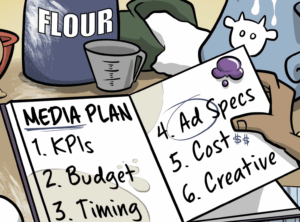
Deli meat company Land O’Frost has been leaning into a new MMM approach to figure out which opportunities it’s been overlooking – or even inhibiting.
CTV has become a powerful full-funnel channel, attracting advertisers of all sizes – and the momentum isn’t slowing.
CTV ad spend is projected to rise another 16% this year to $26.6 billion, according to the IAB. But with rapid growth comes complexity. Advertisers now face a maze of platforms, apps and channels, each with different buying models, audience access and inconsistent measurement. For SMBs without large teams or budgets, this fragmentation is especially challenging to navigate.
Shortly after Trade Desk CEO Jeff Green said the DSP would splinter off from Prebid, he showed up at the Prebid Summit. Then, at ScreenShift, we learn what the TV industry thinks about AI.
What does it feel like to be a media buyer and planner in 2025? That question launched a fascinating “Ask Me Anything”-style discussion at Cynopsis ScreenShift in New York City on Tuesday.
Cloudflare restricts how bots can scrape content; TiVo’s customer base stays loyal, even as TiVo leaves the DVR business; and Nestlé announces a stark reduction in headcount.
The desire for a data-driven reinvention of OOH inspired OUTFRONT to create agentic AI tools for executing and measuring OOH campaigns and comparing OOH to other channels.
Publicis celebrates as its growth aligns with the IAB’s downgraded ad spend projection; Spotify and Netflix partner to chase YouTube’s video podcast biz; and how investor cash keeps health data safe from advertisers.
TiVo has officially halted the sale and manufacture of its once-revolutionary DVR products. Which raises the question: What does TiVo even do anymore, anyway?
The Viant-Tubi integration offers new data insights; advertisers can buy sponsored product ads on Gopuff, thanks to TTD; and publishers continue to face traffic woes.
The layoffs reflect a strategic decision on People Inc.’s part to free up money to invest in growth areas, according to CEO Neil Vogel’s memo to employees.
Ask advertisers, not Meta, how best to use Meta’s ad platform; holdcos and big brands are pressuring Big Tech to self-regulate; and how data-driven animal husbandry is impacting marketing.
CleanTap claims that 100% of the invalid traffic it spoofed was accepted into live auctions run by programmatic platforms and was successfully bid on by advertisers.
HUMAN has recently started complementing its bid request analysis by analyzing the time between when a bot clicks an ad and when the landing page loads. Now it’s offering the solution to individual advertisers.
People don’t really gather around water coolers anymore. But that doesn’t mean streaming and live events can’t still create water cooler moments like there once were for broadcast audiences watching appointment TV.
Law firms are targeting marketers for class action suits; Discord is trying to go mainstream; and ICE’s media presence is getting unavoidable.
If you didn’t happen to watch the main stage of AdExchanger’s Programmatic IO New York this week, then you missed a great (albeit way too brief) conversation about CTV’s programmatic progress.
Roku and AppsFlyer announced the launch of a new self-reporting network (SRN) integration between both companies, which will allow mobile app advertisers to more effectively measure their streaming video campaigns
Marketers are buying more CTV inventory programmatically than ever before. But what about linear inventory?
AI-enabled advertising could reduce ad loads on pages; Jimmy Kimmel is (still) causing a stir; and Microsoft is building an AI marketplace to ensure fair compensation for publishers.
YouTube backpedals on banning COVID and political misinfo; Tylenol pushes back against Trump’s claims that it causes autism; and Disney doubles down on linear TV and raises Disney+ prices after its Kimmel boycott threat.
Kimmel’s back, baybee; would ads make Wikipedia better, actually?; and Amazon gets accused of dark patterns.
What will the ad tech industry look like five years from now? The audience at CIMM’s Summit earlier this week weighed in with their predictions.
Jimmy Kimmel Live has been suspended due to comments on Charlie Kirk; Samsung is bringing ads to your fridge; and TTD eliminates the Programmatic Table.
Keeping American kids safe in what FTC Commissioner Mark Meador calls “an increasingly complex and fast-paced technological environment” is a top priority for the agency.
The old approach to media and measurement is no longer sustainable. AI is now embedded across every step of the media value chain, and AI is only as good as the data it’s fed.
CTV, like digital display before it, is facing fraud and mislabeled information. The prevailing advice for advertisers is to go directly to the networks and streaming platforms. However, buying direct comes with a fraud risk itself.
On Tuesday, Magnite announced it had acquired Streamr.ai, which specializes in developing AI-generated assets for small businesses to use in their CTV campaigns.
Concrete findings on how effective QR codes are at driving ad interactions are now available, and some industry best practices are emerging.