

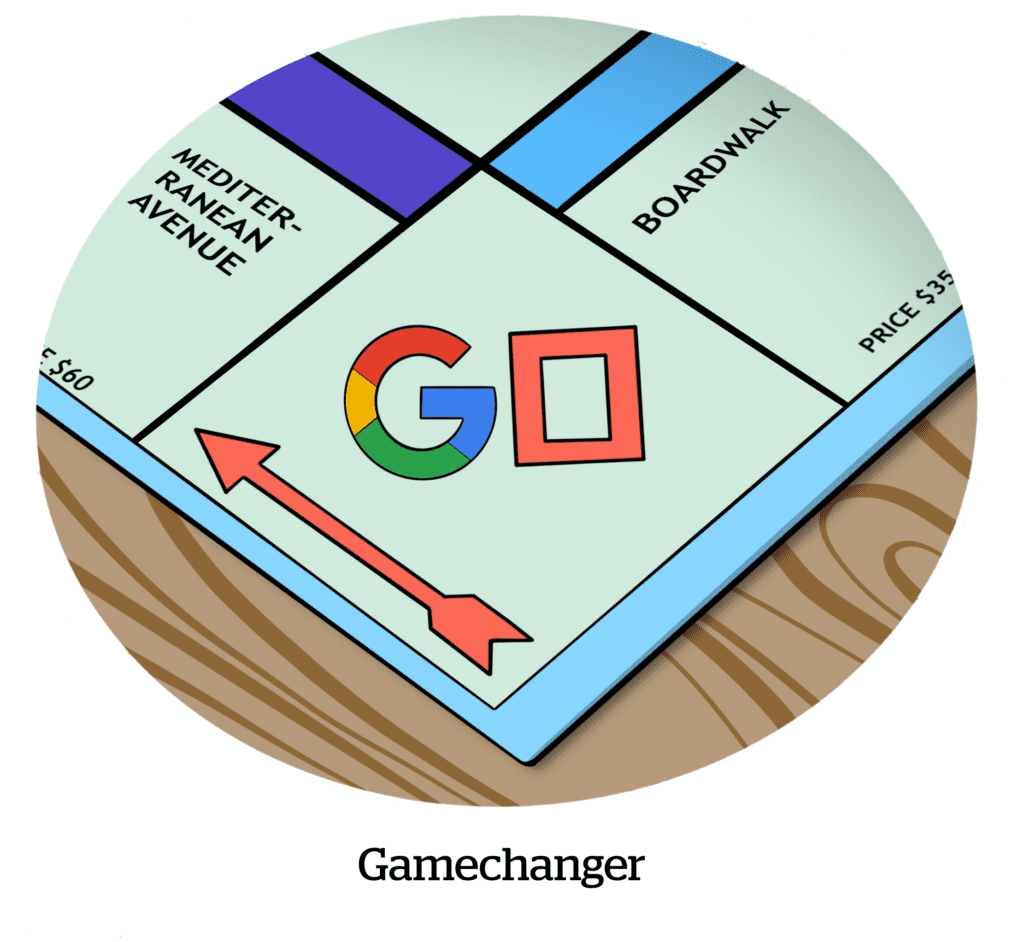
The Chicago law firm Keller Postman is among the pioneers – Partner and Co-Founder Ashley Keller would say the pioneer – of mass arbitration lawsuits.
The practice sprang up in response to a corporate tactic whereby customers, subscribers or anyone who signs a contract with a business is defaulted, in the fine print, to a mandatory arbitration settlement. In these cases, legal experts, mostly retired judges or attorneys with a background in the matter at hand, hear both sides and hand down a decision, which is generally unappealable.
The idea, Keller told AdExchanger, was that individuals would simply not follow through on such settlement processes, and arbitration would thus amount to a “liability shield.”
One key aspect of how lawyers have turned arbitration suits back upon corporations is savvy online marketing, because Keller Postman needs to reach thousands or tens of thousands of people and businesses and persuade them to employ the firm to pursue an arbitration settlement.
But that isn’t going to stop Keller Postman from targeting Google with a wave of arbitration lawsuits, which the firm announced this week, to settle alleged advertiser overpayments made as a result of Google’s monopolistic practices of the past decade.
The total pot of available damages is a quarter-trillion dollars, Keller said. The law firm already represents “thousands of companies,” though that still leaves many millions of Google Search and Google ad tech customers.

What’s the case?
Ashley Keller’s arbitration suits aren’t based on elements of Google advertiser contracts or terms and conditions.
Rather, the case relies entirely on US judges that have already decided guilty verdicts against Google Search and Google’s sell-side ad tech in the display web ad market.
“The underlying misconduct at the heart of our claim is that Google had monopoly power and abused it, and that led to higher prices because, of course, monopolists charge more than the free market,” Keller said.
“Maybe people would be reticent to be the tip of the spear and file the first putative class-action complaint” against Google, he said.
But two respected judges have already written hundreds of pages of “very well-reasoned” and “pretty persuasive” judgements on this topic, he added. “And, of course, it’s in my self-interest to tell you that,” he said. “But I would challenge anybody who’s neutral to read them and be like, ‘Oh yeah, Google did nothing wrong, and this is all just totally fine.’”
Plus, for many big advertisers – Keller said he represents multiple major businesses with hundreds of millions of dollars spent on Google media per year – there might be extreme hesitation to be the face of an anti-Google movement, so to speak. But in mass anonymous arbitration, big brands can pursue settlements without running afoul of delicate account etiquette or ruining such a key media relationship.
Google might begrudge these arbitration suits, but retaliating in any way against an advertiser for pursuing an antitrust-related settlement would only mean further suits regarding its monopoly powers.
“But, at this point, I think it’s pretty clear to a wide swath of the investor community, to the business community, that Google did it,” Keller said. “So why would you not take advantage of those decisions and get what you are entitled to in damages?”








