
Lionsgate Enters The Ads Biz With An Exclusive Ad Server
The film and TV studio Lionsgate has chosen Comcast’s FreeWheel as its exclusive ad server to help manage and sell the growing volume of ad inventory Lionsgate creates with new FAST channels.

The film and TV studio Lionsgate has chosen Comcast’s FreeWheel as its exclusive ad server to help manage and sell the growing volume of ad inventory Lionsgate creates with new FAST channels.
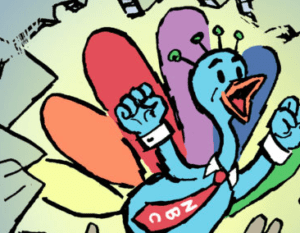
2026 is going to be a big year for NBCUniversal. Not only will it play host to the 2026 Winter Olympic Games in Milan, it’s also going to broadcast the Super Bowl, the NBA Playoffs, the regular MLB season on NBC and the FIFA World Cup on Telemundo.

Inside Coca-Cola’s pivot from TV advertising to influencer marketing; Netflix inks another exclusive video podcast deal with iHeartMedia; and Madison & Wall predicts slow US ad spend growth in 2026.

CTV isn’t an emerging channel anymore. It’s a fully established, essential part of the media mix. Advertisers now understand its reach, flexibility and ability to drive measurable outcomes.

Samsung Ads built a new integration with Amazon Publisher Cloud (APC), which is a clean room solution within the larger Amazon Publisher Suite (APS), the companies announced on Monday.

Netflix could acquire Warner Bros., unless Paramount swoops in or regulators intervene. How rearranging the streaming leaders could affect the CTV ad business.

Google’s AI browser opens relevant tabs for you; Disney-owned characters are now featured on Sora; and Google’s AI Max for Search gets lackluster feedback.
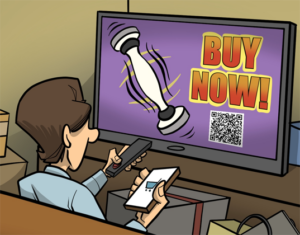
Looks like Pinterest has its eyes – or its pins, rather – fixed on connected TV.

On Tuesday, TV advertising company Cadent announced the acquisition of VuePlanner, which specializes in contextual advertising and media planning for YouTube.

After a prolonged will-they, won’t-they phase between Paramount Skydance and Warner Bros. Discovery, Netflix swooped in with an $83 billion offer on Friday to acquire the Warner Bros. side of the business.

Is it too soon to start thinking about New Year’s resolutions? Because I’m setting a goal for myself to start talking to more media planners, agency executives and buy-side experts.
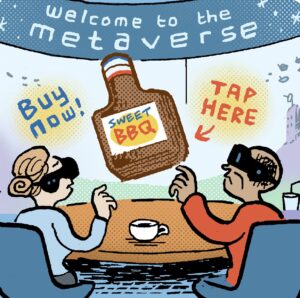
The metaverse hype is over; Apple Maps forays into advertising; and streamers vie for HBO Max and the WBD studio archive.

CTV spending is flattening, performance is plateauing and buyers are hesitant to push budgets further. The reason is not complicated. When buyers cannot see what they are buying, they cannot commit their spend with conviction.

Add Vibe.co to the list of CTV ad platforms that are kicking supply-side resellers to the curb.

With the launch on Wednesday of Uproxx TV, Jarret Myer wants his brand to take the same step forward that YouTube did by moving beyond mobile and desktop viewing and into the living room.
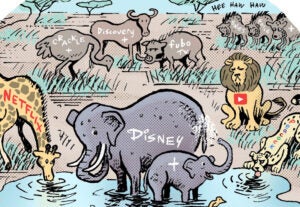
Is it just me, or do third-quarter earnings always seem especially strange?
We break down some of the most interesting financial trends coming out of Q3 earnings reports, and what rises to the level of being worth covering in the first place.

Consumers don’t experience media in silos. They might stream a live game on their TV, scroll social feeds during halftime and research products on their mobile device later that night.

Disney’s Q4 earnings double down on the success of sports streaming content, but the YouTube TV blackout continues.

Confusion in CTV isn’t a natural byproduct of a maturing market; it’s an outcome of how distributors protect their pricing power.

Nextoor is rolling out a bunch of new ad capabilities, including campaign optimization, contextual weather-based ad targeting and expanded video ad formats.

Paramount Skydance, which officially turns 100 days old this week, released its first post-merger quarterly earnings report on Monday.
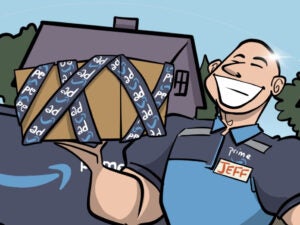
On Monday, Amazon announced the launch of location-based interactive video ad units on Prime Video, which will allow small and local businesses to reach their target customer in specific geographic areas.

New APIs from Roku, Comcast and The Trade Desk are reshaping digital advertising, from self-serve campaign management to cross-platform measurement. But when it comes to identity and targeting, a new study finds that IP address matching is missing the mark.
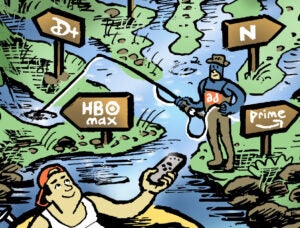
Before Warner Bros. Discovery’s Q3 earnings call even began on Thursday, the investor relations team made it clear that leadership did not want to talk about the company currently trying to sell parts of itself to potential bidders.

On Thursday, AdGood, a nonprofit that helps other nonprofits buy premium streaming inventory at a discount, announced a partnership with Samsung Ads, which is donating ad space from its Samsung TV Plus service to AdGood’s media marketplace.

Social CPMs have risen. The ability to find incremental audiences on social platforms has declined. Add the growing brand-safety concerns, and the equation looks even worse.

Netflix announces a new way to measure viewership; streaming and smart TV companies face data collection investigations; and Polymarket ads incentivized losing bets.

Magnite says it’s not mad at The Trade Desk for prioritizing OpenPath or labeling all supply-side platforms as “resellers.”

According to a new report, IP-to-email matches are accurate just 16% of the time on average, while IP-to-postal matches are accurate only 13% of the time. (Oof.)

Inside how Jones Road Beauty is trying to turn messy, conflicting measurement signals into a single testing roadmap for its media mix.

IAPP’s Global Summit in DC was a reminder that AI is moving fast – and judges, privacy lawyers and practitioner are racing to keep up.

An upcoming paper from CIMM doesn’t just demonstrate that differences in media quality can be measured. It also argues that tying media value to short-term outcomes has perpetuated longstanding industry challenges.


Not unlike last year, the mood during TikTok’s NewFronts presentation last week felt like cautious optimism, if not outright relief.

Can a good sales presentation offset the impact of a very bad news week? That’s a question for Meta, which collected two guilty verdicts in court this week for failing to protect children and creating additive products.

Meet Clamor, a new social listening product that pulls cultural insights from online conversations in real time. Clamor helped Manscaped freshen up its marketing, including for this year’s Super Bowl.