
Acadia Acquires Crush, Merging Two Retail Media And Marketplace Agencies
The retail media agency consolidation trend is still going with the announcement on Tuesday that indie shop Acadia has acquired fellow ecommerce marketplace ad agency Crush.

The retail media agency consolidation trend is still going with the announcement on Tuesday that indie shop Acadia has acquired fellow ecommerce marketplace ad agency Crush.

After adopting OpenPath, Freestar pubs now see 3x higher inventory fill rate from The Trade Desk demand and 27% higher programmatic revenue from these buyers.

Forecasters expected tariffs would impact advertising growth projections. But that was before we knew exactly how steep these tariffs would be – and now that we do, it doesn’t bode well.

WPP has bought InfoSum, a data clean room and collaboration startup. Terms of the deal, announced on Thursday, were not disclosed.

As most generative AI search engines focus on general adoption and subscription licenses, Perplexity AI is zagging toward advertising and commerce applications.

While advertisers’ interest in gaming may be growing, their spending commitments seem stuck on pause, judging by Tuesday’s IAB PlayFronts event.

Comcast is trying to win over digital-native and social-savvy marketers for with its recently launched Universal Ads, a self-serve ad buying platform that makes it easier for SMBs to buy streaming TV inventory.

Industry experts agree that the bot activity analyzed in the latest Adalytics report is among the easiest type of invalid traffic to spot.

An Adalytics report released Friday details numerous instances of brands serving ads to known bots that appear on the IAB Tech Lab’s International Spiders and Bots list and TAG’s Data Center IP List.
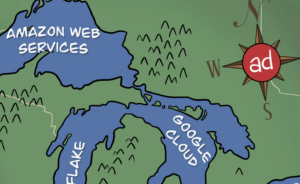
The biggest cloud tech companies, – namely AWS, Snowflake, Databricks and the Google Cloud Platform – are investing heavily in their own ad tech and marketing verticals. But, funnily enough, ad tech vendors themselves tend to avoid the big public clouds.

Wonder Group, a restaurant tech and meal delivery company, snapped up Blue Apron in 2023, Grubhub a year later, then Tastemade earlier this month. Tastemade brings new capabilities, says Wonder Chief Growth Officer Daniel Shlossman. But it’s an important step in the company’s plan to become a 360-degree advertising player.

Warner Bros. Discovery officially launched OpenPath last week, with the goal of driving demand for its news sites’ display inventory. But for now, CTV is not part of the integration.

JWP Connatix might not have a new name yet, but the company – formed through the merger of JW Player and Connatix in October – does have a new CEO

The process of setting up curated private marketplaces for bespoke audiences and vetting what inventory gets included can be incredibly time-consuming for agency teams.

It took two bitter lawsuits and the airing of a lot of dirty laundry, but LG Ads is finally on track to go public by the end of Q2.

The Netflix Ad Suite, as the company is calling it, is set to launch April 1, the company’s new Advertising VP Nicolle Pangis disclosed during the Cynopsis and AdExchanger CTV Connect event in New York City last week.

Taz Patel joined Perplexity in December as head of advertising, just a few weeks after the company began experimenting with ads on its platform.

NBC, Fubo, Disney-owned ESPN and ad agency Mindshare weigh in on the creative flexibility offered on CTV and whether sports streamers really reach incremental audiences.
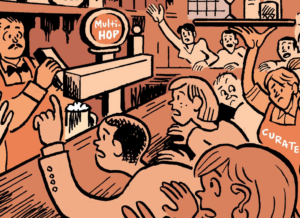
Just because curated PMPs and direct-to-DSP deals are trendy doesn’t mean they should be the focus of every publisher’s tech stack.

Video gaming is the only market where revenue is largely tied to the sales of consoles and ad-free subscription services, André Swanston tells AdExchanger.

PubMatic CEO Rajeev Goel dishes on sell-side curation, data fees, how the business model differs from buy-side curation and how publishers can control pricing for curated deals.
“There were some lessons early on,” Dawn Brodehl, Tillamook’s manager of omni-shopper marketing, tells AdExchanger of the company’s expansion to a national brand. For one thing, did you know that ice cream and dairy products can explode when they’re shipped over the Rocky Mountains?

Publicis Groupe continued its years-long streak of acquiring non-agency ad tech and data sales companies with the announcement on Thursday that it has bought Lotame, a data management system for advertisers and publishers.
Target reported $649 million in revenue from its Roundel advertising business in 2024, up about 25% from 2023, during its Q4 and full-year earnings report on Tuesday.

Viant announced that it acquired Lockr, a consumer and business service for managing email inboxes and data opt-ins, during its Q4 earnings call Monday.

The Brand Safety Institute released a new tool that lets publishers check whether their site domains have been flagged as MFA by third-party verification vendors.

Integral Ad Science broke a streak of punishing quarterly earnings reports for public ad tech companies when it announced better-than-expected Q4 results on Friday morning.

Magnite ended up with a scrappy 4% year-over-year growth rate in Q4 2024, after a sudden, unexpected drop in display and online video CPMs during November and December, which caused the company to miss its revenue guidance.

There are many open questions for marketers who want to implement AI-driven ad tech – and for customers considering the new AI-powered Oral-B. What does it even mean when a vendor touts its AI capabilities?
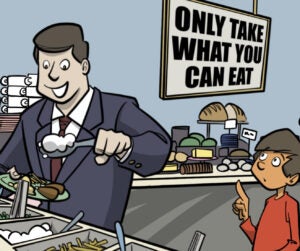
A concept known as data minimization – the practice of limiting data collection and retention to only what’s strictly necessary to achieve a specific purpose – is becoming a key tenet of privacy legislation around the world.